

What Are Postal Tubes Used For?
Postal tubes protect and ship items that are long, rolled, or difficult to pack flat. Common examples include posters, architectural plans, maps, calendars, certificates, and fabric samples. A sturdy tube helps prevent folds across paper and reduces scuffs or edge damage during handling. A loose end cap, however, can weaken that protection.
Choosing the right postal tubes depends on the item. A lightweight poster may suit a standard cardboard tube, while heavier drawings may need thicker walls and secure closures. Length and diameter matter, too. The item should fit without being forced into a tight roll or sliding around inside. Padding can help, but too much pressure may dent delicate paper. There is no universal size.
Artists, offices, schools, print shops, and online sellers use tubes for shipping and storage. They can keep rolled documents together and make awkward items easier to handle. Still, a tube is not damage-proof. Moisture, crushing, poor sealing, and rough loading can all cause problems. Check the item’s material, measure it carefully, and choose packaging suited to its weight and destination. Not always. Shipping flat may be safer for some materials, so that trade-off deserves thought. Knowing what postal tubes are used for helps people make a more informed choice, though results can vary with packaging and handling.
What Postal Tubes Are and How They Protect Their Contents
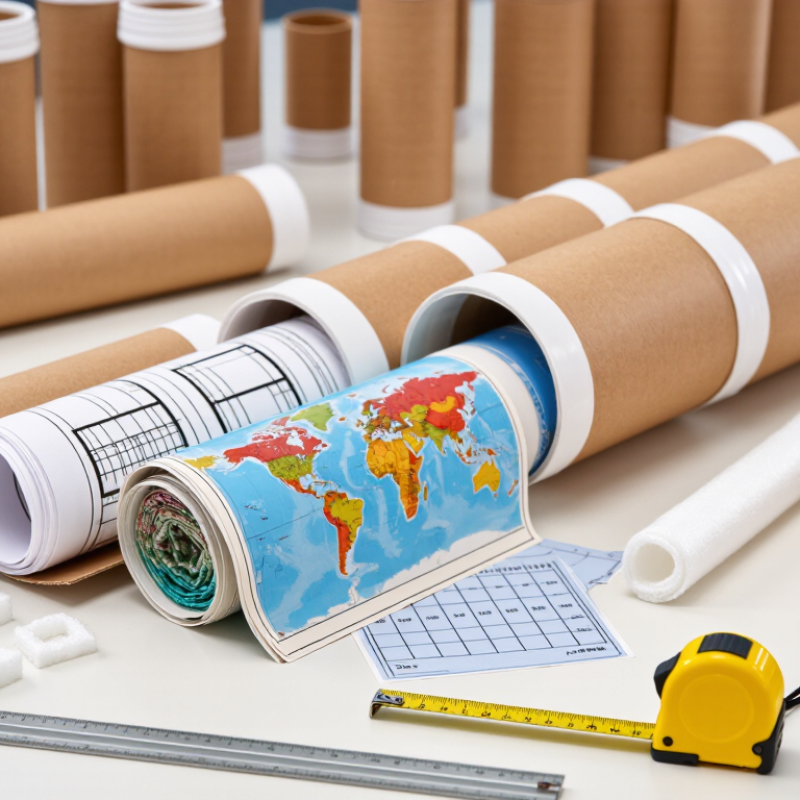
A postal tube is a hollow, usually spiral-wound paperboard cylinder with a cap at each end. It gives rolled documents a rigid outer shell during sorting and transport. Posters, maps, drawings, and long prints can travel inside without being folded into sharp creases. The rounded shape helps resist bending, but it is not indestructible. A heavy parcel stacked on top may dent or flatten it.
Protection depends on the fit as much as the tube itself. Choose a tube slightly wider and longer than the rolled item, leaving room for a soft paper wrap. The print should slide in without scraping, yet should not rattle from end to end. A small piece of clean packing paper at each end can limit movement. Keep it loose. Tight plugs may press against the contents and leave marks.
End caps matter. Check that both are seated firmly, then secure them if the tube will be handled repeatedly. A cap that comes loose can expose the paper to dirt, moisture, or abrasion. Standard paperboard offers limited water protection, so a damp porch or rainy delivery can still be a problem. An outer wrap may help, though it adds bulk. It is easy to assume a tube solves every packing risk; it mainly prevents folds, not every impact or poor handling.
What Are Postal Tubes Used For? — What Postal Tubes Are and How They Protect Their Contents
| Postal Tube Type | Common Contents | How It Helps Protect Contents | Useful Packaging Notes |
|---|---|---|---|
| Spiral-wound paperboard tube | Posters, maps, plans, charts, and rolled artwork | The cylindrical wall helps resist bending and keeps rolled sheets together during handling. | Choose a tube long enough for the item and wide enough to avoid forcing a tight roll. Securely fit end caps help prevent items from sliding out. |
| Triangular paperboard mailer | Rolled documents, prints, and lightweight posters | Its flat sides help prevent the package from rolling, while the rigid shape helps shield contents from routine handling pressure. | Useful where a round package may roll on a conveyor or work surface. Check that the ends are closed and sealed before mailing. |
| Telescoping tube | Items of varying lengths, such as long plans, banners, or rolled drawings | Adjustable sections allow the package length to fit the contents, reducing excess empty space when properly sized. | Set the overlap and closures according to the tube’s design. Avoid extending it beyond the manufacturer’s recommended range. |
| Heavy-wall tube | Larger or heavier rolled materials and documents that need a sturdier container | A thicker wall generally provides greater resistance to crushing and impact than a comparable light-duty paperboard tube. | Select a tube rated for the item’s weight and shipping conditions. A tube is not a substitute for cushioning fragile contents. |
| Plastic mailing tube | Rolled materials that need a moisture-resistant outer container | A closed plastic body can help resist moisture and dirt; its actual impact and crush protection depends on the material and wall thickness. | Confirm that the caps fit securely. Recyclability varies by plastic type and local recycling rules. |
| Protective inner sleeve or wrap | Printed sheets, photographs, or surfaces that can scuff or crease | A clean sleeve or suitable wrap helps reduce rubbing, surface marks, and contact with dust inside the tube. | Use materials appropriate for the item; do not roll delicate sheets so tightly that they crease or crack. |
Postal tubes are rigid mailing containers commonly used for items that are better shipped rolled than folded. Protection varies with tube material, wall thickness, fit, closures, and handling; fragile contents may require additional cushioning.
Related Posts
-
How to Choose Cardboard Tubes for Shipping in 2026?
-
Why Choose Mail Tubes for Shipping Documents and Posters?
-
What Are the Best Mail Tubes for Shipping in 2026?
-
10 Tips for Choosing Poster Tubes for Shipping?
-
Top Cardboard Postal Tubes for Safe Global Shipping?
-
7 Best Cardboard Postal Tubes for Global Shipping?
© 2025 Cardboard Tubes | Registered in England and Wales.
Company Number 2402078