

What Are the Best Mail Tubes for Shipping in 2026?
In 2026, choosing the right mail tubes means balancing protection, cost, and fit—not simply picking the thickest cardboard. Posters, architectural plans, art prints, and product samples each need a tube that resists crushing without adding unnecessary weight. A snug fit matters: oversized tubes let items shift, while tight packing can scuff edges or make removal awkward. Small details count.
Strong spiral-wound cardboard suits many everyday shipments, while heavier-duty tubes can offer extra resistance to dents during handling. Compare wall thickness, length, diameter, and weight against the item you plan to ship. End caps should fit securely and stay in place; loose caps can expose contents, while overly tight ones may be difficult to remove. Plastic, metal, and fiber caps each have trade-offs in durability, cost, and recyclability. Check product specifications rather than relying on appearance alone.
The best mail tubes depend on what you are sending, how far it will travel, and how it will be handled. A lightweight tube may work well for a short trip, but a rigid option may be wiser for valuable prints or repeated handling. Carrier size limits and pricing can change, so confirm current requirements before buying in bulk. Then test a sample with your actual item and packing materials. No tube is perfect. Even careful selection cannot prevent every rough drop, and some packaging claims deserve a closer look. This guide compares practical tube types, closures, and selection factors to help you choose with confidence.
What Mail Tubes Are: Spiral-Wound Board, Wall Thickness, and End Closures
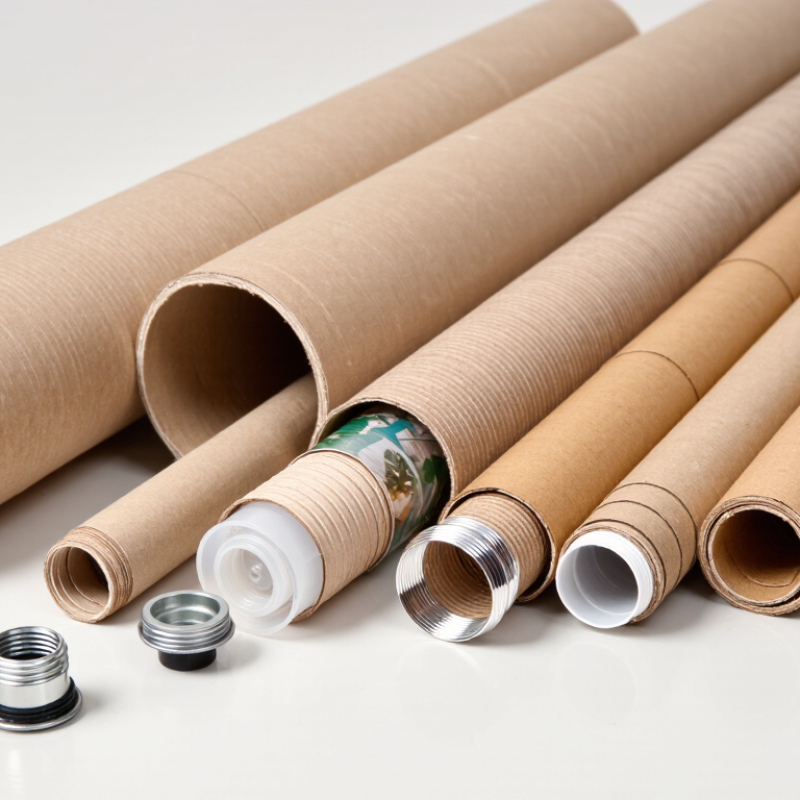
Mail tubes are commonly made from spiral-wound paperboard. Long paper strips are wrapped around a mandrel and bonded into a rigid cylinder. The layered construction helps the tube resist crushing during ordinary handling. Look for a smooth seam and an even, firm wall. Small flaws matter.
Wall thickness affects stiffness, weight, and the space available inside. A thicker wall may suit heavier prints or longer journeys, but it is not automatically the best choice. Compare the tube’s dimensions with the item, including any protective wrap. A rolled poster should slide in without force, yet should not rattle freely. That balance can be easy to misjudge.
End closures deserve equal attention. Plastic caps can be quick to fit and remove; paper plugs may sit snugly when correctly sized. Check that each closure stays secure when the tube is gently shaken and turned. For repeated handling, tape can add reassurance, though excess tape makes opening awkward. Not always ideal. I would inspect a sample with the actual contents before ordering many tubes. Tube strength depends on the whole package: board, fit, closure, and packing method working together.
What Are the Best Mail Tubes for Shipping in 2026? - What Mail Tubes Are: Spiral-Wound Board, Wall Thickness, and End Closures
| Shipping Need | Tube Construction | Typical Wall Thickness | Suggested End Closure | Why It Can Be a Good Choice | Considerations |
|---|---|---|---|---|---|
| Posters, prints, and lightweight documents | Spiral-wound paperboard made from bonded paper plies | About 1.5–2.5 mm | Push-in plastic end caps or paperboard plugs | Lightweight and convenient for rolled items that need protection from creasing. | Choose a tube with enough internal diameter to avoid tightly rolling or damaging the contents. |
| Calendars, plans, and rolled technical drawings | Multi-ply spiral-wound board with a medium-to-heavy wall | About 2.5–3.5 mm | Snug-fitting plastic caps or secure paperboard closures | Offers a balance of rigidity, manageable weight, and everyday shipping protection. | Check that the closure stays in place during handling; tape may be appropriate where permitted. |
| Longer or heavier rolled products | Heavy-wall spiral-wound board | About 3.5–6 mm | Reinforced plastic caps or fitted end plugs | The thicker wall can help resist crushing and bending compared with a light-duty tube. | Long tubes can still flex; select length and diameter to suit the item and packing method. |
| Items needing added moisture resistance | Spiral-wound board with a suitable exterior coating or wrap | About 2.5–4 mm | Close-fitting caps, with seams and ends protected as needed | A coated surface can improve resistance to incidental moisture and scuffing. | Paperboard is not automatically waterproof. Confirm the coating and closure are suitable for the expected conditions. |
| Reusable or higher-impact applications | Heavy-wall paperboard or a purpose-designed rigid tube | About 4–6 mm for heavy-wall board; specifications vary by material | Secure, reusable end caps or reinforced plugs | A robust tube and well-fitted closures can help protect contents through repeated handling. | Compare the complete package, including tube length, diameter, closure fit, and shipping requirements. |
How to choose: Spiral-wound mail tubes are formed by winding and bonding paperboard plies around a mandrel. Wall-thickness ranges shown are indicative, not universal industry grades; available specifications and strength vary by diameter, paper construction, adhesive, tube length, and manufacturer. Match the tube and end closures to the contents and the shipping conditions.
Related Posts
-
Top Quality Mail Tubes for Global Buyers 2026?
-

10 Tips for Choosing Poster Tubes for Shipping?
-

How to Choose Cardboard Tubes for Shipping in 2026?
-
Why Choose Mail Tubes for Shipping Documents and Posters?
-

Why You Should Consider Using Postal Tubes for Safe and Secure Shipping
-

Top Trends for Postal Tubes in 2026 What You Need to Know
© 2025 Cardboard Tubes | Registered in England and Wales.
Company Number 2402078