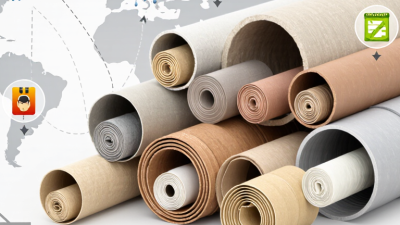

Choosing a paperboard tube packaging supplier involves more than comparing prices or viewing attractive product photos. Wall thickness, spiral winding, inner coatings, closures, printing quality, and delivery consistency can change the final result. A tube that looks strong on a sample table may soften in a humid warehouse.
This guide examines ten leading suppliers worldwide through practical buying factors. These include manufacturing capacity, customization options, recycled fiber content, food-contact suitability, quality controls, minimum order quantities, and international logistics. It also considers whether suppliers can support both small trial runs and large commercial programs. That difference matters for cosmetics, confectionery, tea, candles, stationery, and other packaged products.
Ellen MacArthur, a leading circular-economy authority, has stated, “We need to redesign the system.” Her principle is especially relevant to paperboard tube packaging. Responsible suppliers should reduce unnecessary material, improve recyclability, and explain how coatings or mixed components affect disposal. Sustainability claims need evidence, not attractive green language.
The ranking is useful, but it is not permanent. Supplier performance can vary by region, season, and order size. Public information is also uneven. Some manufacturers disclose detailed certifications, while others provide only limited technical data. Buyers should request current samples, test reports, production photographs, and written specifications before making a final decision.
The following list offers a focused starting point. It does not replace factory audits or independent verification. Good packaging begins with clear questions.
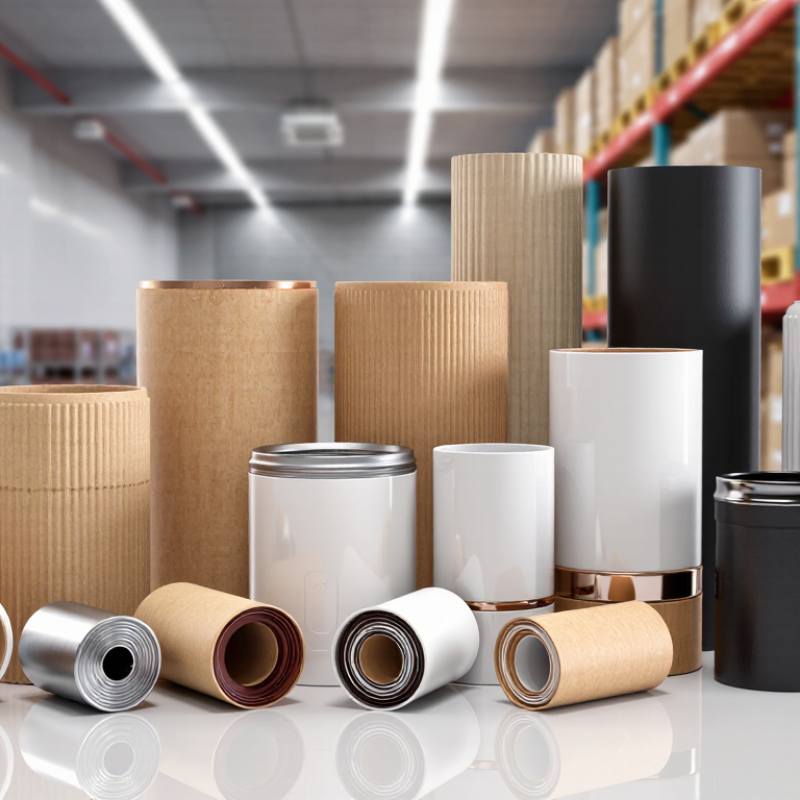
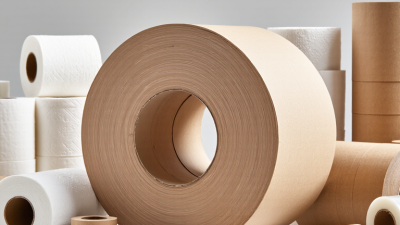
Paperboard Tube Packaging Paperboard tube packaging is a rigid container made from spiral-wound or convolute-wound paper layers. It protects products while often using less plastic than conventional formats. Common applications include mailing tubes, snack canisters, cosmetic containers, poster holders, and industrial cores. A kraft outer layer adds strength, while coated paper improves moisture resistance and print quality. However, paperboard is not automatically recyclable everywhere. Local collection systems and adhesives matter.
01 Its global market scope covers food, personal care, household goods, industrial materials, and e-commerce shipping. Demand is rising where buyers need lighter packaging, shelf visibility, and renewable fiber content. Suppliers vary in winding accuracy, wall thickness, closure design, printing quality, and minimum order quantity. During supplier evaluations, I would request compression tests, moisture exposure data, relevant contact-material documents, and production-line samples. A beautiful prototype proves little.
02 Regional production may reduce freight distance, but capacity and lead times can change sharply. Buyers should compare recycled fiber content, forestry evidence, inks, adhesives, and disposal instructions. In humid climates, uncoated tubes may soften during storage or transport. That risk is easy to underestimate. Cost reviews should include tooling, rejected units, secondary packaging, and pallet space. A top-ten supplier list can guide research, yet the best choice depends on product weight, filling equipment, climate, and compliance needs. More testing is often wiser than a quick shortlist.
Choosing among the top paperboard tube packaging suppliers worldwide requires more than comparing catalog photos. Start with material transparency. Ask for board grade, recycled content, thickness, and adhesive specifications. Reliable suppliers should provide recent test reports, traceable batch records, and clear production tolerances. A neat sample is useful, but it proves little alone.
Request samples that match real conditions. Test compression, edge strength, moisture resistance, and lid fit after transport simulation. For food, cosmetic, or household applications, verify applicable contact-material documentation for each target market. Certificates should be checked with issuing bodies, not accepted blindly. Small details matter. A loose cap can damage an entire shipment.
Production experience also shows through communication. Strong suppliers explain tooling limits, minimum order quantities, lead times, and quality checkpoints without vague promises. Review factory capacity, inspection methods, and corrective-action records. Ask how they handle color variation between batches. I have seen attractive prototypes fail during automated filling because the tube wall warped slightly. That mistake changed my view: performance data deserves more weight than presentation. Sustainability claims also need evidence, including fiber sources, coatings, recyclability, and realistic disposal guidance. A supplier may meet technical requirements yet struggle with urgent revisions, so assess response speed and problem ownership before signing a long-term agreement.
The leading suppliers cover different strengths. One specializes in spiral-wound tubes for posters and textiles. Another produces rigid tubes for cosmetics and premium gifts. A third focuses on food-grade paperboard with moisture-resistant linings. The fourth offers short-run digital printing for emerging brands. The fifth serves industrial cores for films and labels.
A sixth integrates tube forming, cutting, and end-cap assembly. The seventh emphasizes recycled fiber and water-based inks. An eighth supplier provides high-speed lines for global retailers. The ninth designs tamper-evident closures and child-resistant formats where required. The tenth competes through custom diameters, tight tolerances, and quick sampling.
Market data supports this diversity. Smithers forecasts strong growth in global paper-based packaging through 2028, driven by fiber substitution and lightweighting. The U.S. Environmental Protection Agency reported a 68.2% recovery rate for paper and paperboard in 2018. These figures matter when evaluating material efficiency, not just appearance. Supplier audits should verify recycled content, coating chemistry, food-contact documentation, and production consistency.
Tips: Request three production samples, not one. Measure wall thickness, seam strength, cap fit, and print rub resistance. Ask for recent test reports and factory lead-time records. A beautiful prototype can still fail during filling or shipping. I have seen buyers overlook humidity testing, and that mistake becomes expensive. Evaluate transparent evidence before trusting a polished sustainability claim.
Comparing the top ten paperboard tube packaging suppliers requires more than checking catalog photos. In supplier audits, I examine board grade, wall thickness, winding method, and adhesive performance. Recycled kraft board suits natural branding and dry goods. White-coated board offers sharper graphics and smoother color reproduction. Food-contact projects need documented material declarations and traceable batch records. Some suppliers provide certificates quickly, but their actual test scope may remain unclear. Ask for current reports, not screenshots.
Customization separates capable manufacturers from simple converters. Request samples showing diameter tolerance, lid fit, seam alignment, and print registration. Suppliers may offer offset, flexographic, or digital decoration. Each method affects minimum order quantity, color consistency, and setup cost. Embossing, foil effects, and die-cut windows add appeal, yet they can slow production. I prefer a measured prototype before approving thousands of units. It exposes weak shoulders and loose closures early. Small details matter.
Production capacity should be judged through equipment, staffing, lead times, and quality controls. Ask about monthly output at your required specification, not general factory volume. A supplier with many machines may still lack skilled finishing teams. Check inspection frequency, rejection handling, pallet protection, and shipment records. Capacity claims are sometimes optimistic. Seasonal demand can change them. I would compare verified trial orders, not promises. One overlooked issue is tooling ownership, which can complicate future supplier changes.
Top 10 Paperboard Tube Packaging Suppliers Worldwide?
Selecting a paperboard tube supplier requires more than comparing unit prices. Start with the tube’s real job: protecting powder, cosmetics, posters, or dry goods during handling. Ask for compression, drop, moisture, and seam-strength test results. A tube that looks rigid may soften after hours in humid storage. That detail matters.
Review board grade, recycled content, wall thickness, and core diameter against your filling equipment. CEPI reported an 80.5% paper recycling rate in Europe for 2022, showing strong recovery infrastructure, but recyclability still depends on coatings, adhesives, and mixed materials. Request material declarations and clear end-of-life guidance. For food or cosmetic contact, require applicable migration documentation and batch traceability. Do not accept vague sustainability claims.
Production evidence is equally important. Request a recent quality report, sample approval process, tolerance data, and corrective-action records. Smithers’ paper packaging outlook identifies sustainability, lightweighting, and supply-chain efficiency as major market drivers. These trends can reduce material use, but thinner walls may increase damage rates. Test before scaling.
A pilot order reveals more than a glossy sample. Check tube roundness with calipers, inspect printed edges, and run filled units through your actual packing line. Ask how the supplier handles color variation and late delivery. My practical warning is simple: the cheapest quote often excludes tooling, testing, or protective secondary packaging. Recheck every assumption.
| Position | Supplier Profile | Primary Production Region | Best-Fit Applications | Common Material Options | Tube Construction | Decoration & Finishing | Typical MOQ Range | Typical Lead Time | Quality & Compliance Evidence | Sustainability Factors to Verify | Why This Profile May Be Suitable |
|---|---|---|---|---|---|---|---|---|---|---|---|
| 1 | Profile A | Western Europe | Premium cosmetics, fragrances, confectionery and gift packaging | Recycled paperboard, virgin-fiber paperboard and FSC-certified paper options | Spiral-wound or convolute-wound rigid tubes with fitted paperboard ends | Offset or flexographic printing, matte or gloss coating, foil stamping and embossing | 5,000–25,000 units | 6–10 weeks after artwork approval | Request ISO 9001, FSC chain-of-custody and food-contact declarations where applicable | Confirm recycled content, water-based inks, fiber traceability and recyclability of closures | Strong option for high-end presentation, detailed graphics and regulated European markets |
| 2 | Profile B | East Asia | Tea, coffee, snacks, candles and general retail packaging | Kraft board, coated paperboard, recycled chipboard and food-contact inner liners | Rigid spiral-wound tubes with metal, paperboard or molded-pulp components | Gravure, offset, digital printing, spot color matching and protective varnish | 3,000–20,000 units | 5–9 weeks after sample approval | Request ISO 9001, BRCGS or equivalent food-packaging controls and material declarations | Check paper source, adhesive chemistry, liner separation and export packaging practices | Suitable for broad customization, competitive volume pricing and multiple tube diameters |
| 3 | Profile C | North America | Health products, supplements, cosmetics and specialty foods | Recycled paperboard, kraft board and barrier-lined board for moisture-sensitive goods | Heavy-wall spiral-wound tubes with tight dimensional tolerances | Offset lithography, digital short-run printing, tactile coatings and labeling | 1,000–15,000 units | 4–8 weeks after final specifications | Request ISO 9001, FDA-related packaging documentation where relevant and batch traceability | Verify post-consumer recycled content, domestic fiber sourcing and recycling guidance | A practical choice for North American distribution and lower-volume custom launches |
| 4 | Profile D | Southeast Asia | Coffee, tea, snacks, candles and promotional gift sets | Kraft paperboard, recycled board, coated decorative paper and optional barrier liners | Spiral-wound tubes with paperboard lids, slip lids or fitted metal ends | Flexographic and offset printing, foil accents, debossing and sleeve application | 5,000–30,000 units | 6–10 weeks after pre-production approval | Request ISO 9001, social-compliance audits and food-contact test reports when required | Assess plantation fiber sourcing, recycled content, adhesive type and factory waste controls | Well suited to cost-sensitive programs requiring decorative finishes and scalable output |
| 5 | Profile E | Northern Europe | Eco-conscious cosmetics, dry foods, candles and lifestyle products | FSC-certified virgin fiber, high-recycled-content board and unbleached kraft paper | Lightweight rigid tubes designed to reduce material use without sacrificing compression strength | Water-based inks, offset printing, natural-texture papers and low-gloss coatings | 2,500–15,000 units | 6–9 weeks after artwork and material approval | Request FSC documentation, ISO 9001 and environmental management evidence such as ISO 14001 | Verify renewable energy use, fiber origin, plastic-free construction and end-of-life instructions | A strong match for brands prioritizing documented sustainability and minimalist packaging design |
| 6 | Profile F | Central Europe | Industrial components, posters, textiles and protective transit packaging | Heavy-duty kraft board, recycled spiral-board and moisture-resistant paper grades | Thick-wall spiral-wound tubes with high crush resistance and reinforced ends | Basic flexographic printing, pressure-sensitive labels and industrial marking | 1,000–10,000 units | 3–7 weeks after technical approval | Request ISO 9001, dimensional inspection records and compression-test data | Compare recycled fiber percentage, tube weight, adhesive formulation and transport efficiency | Best for protective performance, large diameters and technically specified packaging |
| 7 | Profile G | South Asia | Handmade goods, apparel accessories, candles and promotional packaging | Recycled board, kraft paper, decorative wraps and paper-based closures | Spiral-wound rigid tubes with manually assembled or semi-automated components | Offset printing, screen printing, paper wrapping, foil details and hand finishing | 2,000–20,000 units | 7–12 weeks after approved prototype | Request ISO 9001, ethical-trade audit results and product-specific material testing | Confirm recycled content, worker standards, chemical controls and packaging waste management | Appropriate for tactile, artisanal designs and packaging programs with moderate customization |
| 8 | Profile H | Oceania | Local food products, cosmetics, gifts and small-batch retail packaging | Recycled paperboard, kraft board and locally sourced decorative papers where available | Small and medium spiral-wound tubes with paperboard or metal closures | Digital printing, labels, simple offset work and short-run finishing | 500–8,000 units | 3–8 weeks after design approval | Request food-contact declarations, quality procedures and supplier traceability records | Review local sourcing, recycled content, shipping impact and recyclability of all components | Useful for pilot projects, seasonal products and shorter regional supply chains |
| 9 | Profile I | Latin America | Coffee, confectionery, personal care and promotional packaging | Kraft board, recycled paperboard, coated decorative paper and optional barrier films | Spiral-wound tubes with paperboard, plastic-free or metal closure options | Flexographic and offset printing, varnish, labels and basic foil decoration | 3,000–18,000 units | 5–9 weeks after sample confirmation | Request ISO 9001, food-contact documentation and responsible-sourcing records | Verify certified fiber availability, recycled content, local waste regulations and liner separation | A competitive option for regional programs requiring flexible materials and moderate volumes |
| 10 | Profile J | Middle East and North Africa | Dates, confectionery, spices, gifts and premium hospitality packaging | Kraft board, coated paperboard, recycled board and food-contact liners | Medium-wall spiral-wound tubes with fitted ends and optional internal barriers | Offset printing, foil stamping, embossing, spot varnish and decorative paper wrapping | 5,000–25,000 units | 6–11 weeks after artwork approval | Request ISO 9001, food-contact test reports and export documentation for destination markets | Check fiber certification, recycled content, water-based inks and component recyclability | Suitable for premium regional presentation, gift packaging and food products requiring barriers |
Note: MOQ, lead-time and certification requirements are indicative procurement benchmarks rather than quotations. Confirm current capabilities, material specifications, test reports, certifications, tooling costs and shipping terms directly with each shortlisted supplier before placing an order.
© 2025 Cardboard Tubes | Registered in England and Wales.
Company Number 2402078