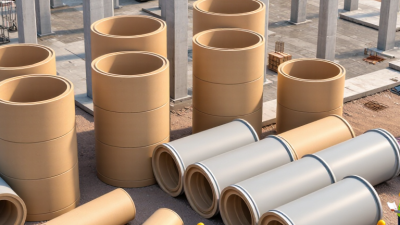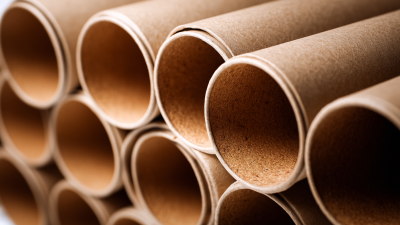

In 2026, choosing concrete tubes is less about finding one “best” product and more about matching the tube to its job. A stormwater line beneath a busy road faces different demands from a small drainage run beside a building. Diameter, soil load, groundwater, installation method, and expected service life all matter. So does handling. A heavy reinforced concrete pipe needs suitable lifting equipment and careful placement; a poorly prepared bedding can undermine even a well-made product.
Common options include non-reinforced concrete tubes for lighter-duty applications, reinforced concrete pipe for higher structural loads, and jacking pipe for trenchless installation. Precast sections can speed up site work. Yet transport, joint design, and access may complicate installation. Details matter.
A useful comparison should explain where each type fits, what it handles well, and what trade-offs deserve attention. It should also distinguish product claims from project-specific engineering advice. One point needs care: without a supplied, verifiable interview or publication, a named expert quotation should not be invented. That may make the introduction less colorful, but accuracy matters more. The guide that follows compares leading concrete tubes for 2026 through practical criteria, including load conditions, installation needs, durability, and maintenance. The best choice is rarely universal. Sometimes, the overlooked detail is the joint.
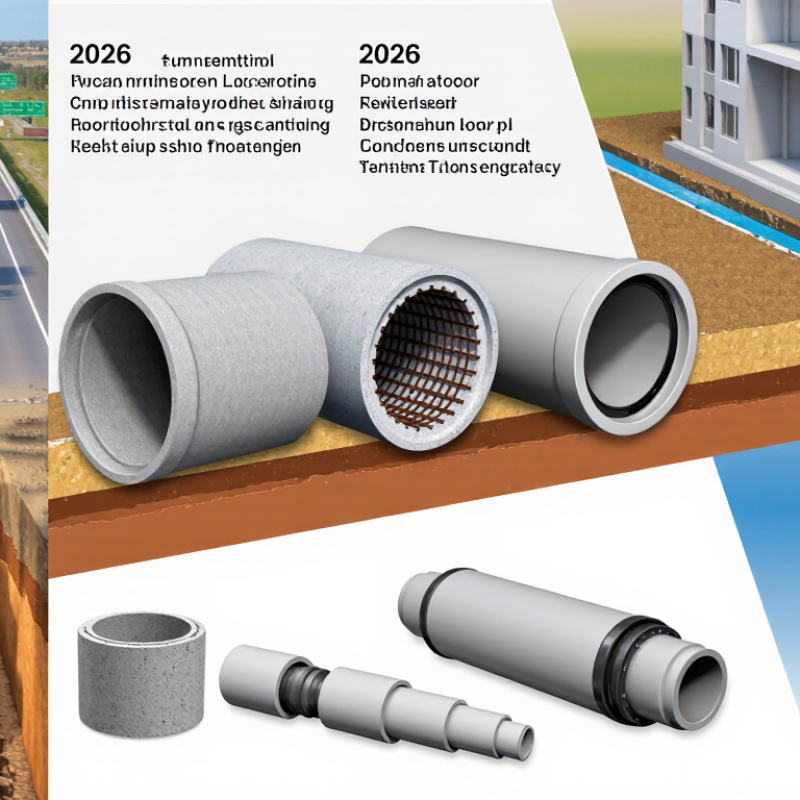
Concrete tubes are best classified by how they are built and where they work. Reinforced concrete pipe contains steel reinforcement to handle external loads, making it common beneath roads and in stormwater systems. Non-reinforced pipe suits lighter-duty drainage, where soil cover and traffic loads are limited. Prestressed concrete cylinder pipe is designed for pressurized water systems. These types are not interchangeable. Selection depends on diameter, burial depth, soil conditions, flow, and loading.
Application creates another useful classification. Drainage and culvert tubes carry runoff; sanitary sewer pipes convey wastewater; pressure pipes serve water networks; and jacking pipes are made for installation beneath roads or other obstacles. Some categories overlap, which can make product labels confusing. That is worth checking rather than assuming. Inspect joint compatibility, internal flow requirements, and resistance to the site’s exposure conditions. A tube that performs well in a dry trench may behave differently in saturated soil. The practical choice is the one matched to both its structure and its actual service conditions.
Reinforced concrete pipe (RCP) remains a practical choice for stormwater and sewer networks. Circular pipe suits many buried drainage runs, while elliptical sections can help where vertical clearance is limited. Box sections carry larger flows beneath roads or open spaces. Selection depends on soil support, burial depth, groundwater, and traffic loads—not diameter alone. ASTM C76 covers reinforced concrete culvert, storm drain, and sewer pipe, while joint requirements should match the project’s leakage-control needs.
The scale of investment is substantial. The U.S. Environmental Protection Agency’s 2022 Clean Watersheds Needs Survey estimated $630.1 billion in wastewater, stormwater, and related pollution-control needs over 20 years. That figure signals why durable, maintainable systems matter. In sewer lines, designers should also assess corrosion exposure, including hydrogen sulfide conditions. A pipe can be structurally sound yet still need protection from aggressive wastewater. Small errors compound. I would not treat one standard pipe class as suitable for every trench.
Tips: Confirm design loads, soil conditions, and joint compatibility before specifying RCP. Check access for inspection and cleaning, especially near bends and junctions. For corrosive sewer environments, request a documented materials review. Fit matters more. A neat drawing cannot replace field verification.
Prestressed concrete cylinder pipe is built for pressurized water systems where strength and dependable joints matter. A steel cylinder forms the water barrier, while concrete and tightly wound prestressing wire help resist internal pressure. A protective mortar coating covers the wire. The result is a substantial pipe, often selected for large transmission mains and treatment plant connections. It is not light.
Its performance depends on more than the pipe itself. Engineers consider working pressure, water-hammer surges, soil loads, groundwater, and the route’s elevation changes. A sudden pump stop can create pressure spikes, so operating conditions matter. Joint design matters too. During installation, crews need stable bedding, careful alignment, and checks for damage to the coating and joint surfaces. Small errors can become expensive repairs.
Concrete cylinder pipe can offer long service when designed, installed, and maintained for its actual environment. Still, no material is automatically the right choice. Water chemistry, stray electrical currents, access for repairs, and transport limits may affect selection. Site data is sometimes incomplete, and that deserves a second look. Pressure class and corrosion protection should be confirmed by qualified engineers using project-specific conditions, not assumptions.
| Concrete Pipe Type | Typical Construction | Common Applications | Pressure-Water Suitability | Key Selection Considerations |
|---|---|---|---|---|
| Prestressed Concrete Cylinder Pipe (PCCP), Embedded-Cylinder Type | A steel cylinder is embedded within a concrete core. High-strength prestressing wire is wound around the core, followed by a protective cement-mortar coating. | Large-diameter water transmission mains, treated-water systems, and other engineered water pipelines. | Designed for pressurized service. The required pressure class and structural design depend on project conditions and applicable standards. | Evaluate operating and surge pressures, installation loads, soil conditions, corrosion protection, joint design, and inspection requirements. |
| Prestressed Concrete Cylinder Pipe (PCCP), Lined-Cylinder Type | A steel cylinder is positioned against the inside of the concrete core. Prestressing wire is wound around the core, and a cement-mortar coating protects the exterior. | Water transmission and distribution projects where a concrete pressure pipe is specified by the project design. | Designed for pressurized water service when manufactured and specified for the required design conditions. | Confirm the specified pressure class, cylinder and wire design, joint details, handling limits, and compatibility with the water and surrounding environment. |
| Reinforced Concrete Pressure Pipe (RCPP) | Concrete pipe reinforced with steel designed to resist the loads and internal pressures defined for the project. | Pressure-water pipelines where the selected product and design are appropriate for the required diameter, pressure, and installation conditions. | May be used for pressure service when specifically designed, manufactured, and specified as pressure pipe. | Do not assume that ordinary reinforced concrete pipe is pressure-rated; verify the product standard, pressure design, joints, and project specifications. |
| Reinforced Concrete Pipe (RCP), Non-Pressure | Concrete pipe reinforced with steel to resist external loads; commonly manufactured with bell-and-spigot or other specified joints. | Storm drains, culverts, gravity sewers, and other non-pressure drainage systems. | Generally intended for gravity or non-pressure service, not as a substitute for a designed pressure-water pipe. | Check load class, installation and bedding requirements, joint performance, groundwater conditions, and applicable local standards. |
| Concrete Jacking Pipe | Heavy-duty reinforced concrete pipe manufactured to withstand installation forces during trenchless jacking; joint and end details are designed for the installation method. | Trenchless installation of drainage, sewer, and utility crossings beneath roads, railways, or other obstacles. | Normally selected for structural and installation loads rather than pressure-water service; pressure use requires a specific engineered design. | Consider jacking force, alignment, ground conditions, allowable joint deflection, installation length, and the required internal lining or protection. |
| Precast Concrete Box Sections | Factory-made reinforced concrete sections with a rectangular or box-shaped cross-section. | Stormwater conveyance, culverts, underpasses, and utility or drainage structures. | Typically used for gravity flow rather than pressurized water transmission. | Check hydraulic capacity, cover depth, traffic and earth loads, joint sealing, foundation conditions, and access for installation. |
| Plain Concrete Pipe | Unreinforced concrete pipe used where the design and installation loads remain within the product’s capacity. | Limited drainage and non-pressure applications, subject to the applicable product standard and project design. | Not generally selected for pressurized water mains. | Verify permitted diameter, load capacity, installation conditions, and local code requirements before specifying. |
| Specification note: Concrete pipe dimensions, pressure ratings, load classes, joint systems, and available product configurations vary by manufacturer, standard, and project. Use project-specific calculations and applicable standards to confirm suitability; a pipe type alone does not establish a pressure rating. | ||||
In 2026, non-reinforced and fiber-reinforced concrete pipes remain practical choices for drainage and utility projects. Non-reinforced pipes contain no conventional steel cage, making them suitable for applications where pipe size, burial depth, soil support, and expected loads allow. They are often used for stormwater lines with modest loading. Keep loads predictable.
Fiber-reinforced pipes incorporate small fibers into the concrete mix. Depending on fiber type and design, these fibers can help control cracking and improve toughness during handling or service. Fiber content alone is not a performance guarantee; that detail is easy to overread.
The right choice depends on the whole installation, not the pipe label alone. A shallow trench beneath a landscaped path presents different demands from a deep line under vehicle traffic. Check the specified load class, bedding requirements, joint design, and local project standards before selecting a pipe. A well-compacted granular bed matters.
Poor support can concentrate stress beneath the barrel, even when the pipe itself meets its design requirements. Fiber-reinforced products may still need conventional reinforcement for demanding conditions, so confirm the engineering documentation rather than assuming fibers replace steel. That distinction can be missed.
Inspecting the trench, checking pipe alignment, and recording backfill conditions provide useful evidence that the installed system matches the design.
For a concrete tube, match the product to the water, ground, and loads it will face. Reinforced concrete pipe suits many storm-drain and culvert applications; perforated pipe can collect groundwater, while jacking pipe is designed for trenchless installation. Check the design flow, cover depth, soil support, traffic loading, and groundwater level before choosing a strength class. ASTM C76 class ratings describe pipe strength, but they do not replace a site-specific structural design.
Local water conditions matter. NOAA’s 2023 U.S. Billion-Dollar Weather and Climate Disasters report recorded 28 events, with losses of about $92.9 billion. That national figure cannot predict a site’s rainfall, but it is a reminder to check current local rainfall data and drainage assumptions. For corrosive soils or wastewater, assess chemical exposure and joint protection; for shallow cover or heavy trucks, verify installation loads and bedding. The American Concrete Pipe Association’s Concrete Pipe Design Manual offers design guidance for earth and live loads. Small details count. A poorly compacted haunch can undermine a sound pipe choice. I would still revisit assumptions after excavation; actual soil conditions do not always match the investigation.
© 2025 Cardboard Tubes | Registered in England and Wales.
Company Number 2402078