
7 Tips for Choosing Strong Cardboard for Packaging?

Choosing packaging is not just a matter of picking the thickest box. The right strong cardboard should protect the product, fit its dimensions, and hold up during storage and delivery. A small glass jar, for example, needs different support from a stack of lightweight paper goods. Poorly matched material can mean crushed corners, shifting contents, or unnecessary packaging weight.

This guide shares seven practical tips for evaluating cardboard before you order. It looks at board grade, flute type, thickness, and strength ratings such as edge crush test results. These details help you compare options, but they do not tell the whole story. Box size, product weight, stacking pressure, and exposure to damp conditions can all affect performance. Ask suppliers for specifications, then check how those figures relate to your actual packaging needs. If possible, test a sample with the product inside. Inspect the seams and corners, and see whether the box stays firm under ordinary handling. Small details matter.

There is no single cardboard choice that works for every shipment. Even an experienced buyer can miss a detail when a product or delivery route changes. That is worth admitting. These tips can help you ask better questions and avoid relying on appearance alone. Start with the item you need to protect, and choose material based on evidence, not guesswork.

7 Tips for Choosing Strong Cardboard for Packaging?

Define the Product’s Packaging Needs and Expected Loads

Before choosing a board grade, define what the box must carry and endure. Record the product’s weight, dimensions, fragility, and center of gravity. Then estimate the heaviest realistic load, including accessories and protective inserts. Loads vary. A 10-kilogram item with a sharp edge can stress a panel differently from a compact, evenly distributed 10-kilogram item. For stacked shipments, calculate the weight above the lowest box and the expected stacking duration. Include handling details too: palletized freight, parcel delivery, and repeated manual transfers create different risks.

Use those conditions to guide testing, not guesswork. Edge crush testing measures board resistance to edgewise compression; box compression testing evaluates the finished box. Request results for the actual construction, and consider humidity because damp storage can weaken corrugated board. The U.S. Census Bureau reported that e-commerce accounted for 15.6% of U.S. retail sales in 2023, a reminder that many packages face individual parcel handling. The U.S. EPA’s 2018 materials report found a 68.2% recycling rate for paper and paperboard overall. Recycled content may be relevant to material selection, but it does not prove a box will meet your load needs. Test a filled sample under realistic stacking and shipping conditions; one test setup may still miss a rough route or a badly balanced pallet.

Compare Cardboard Grades and Structural Types

Cardboard grade and box structure are related, but they are not the same choice. Grade describes the paper’s weight, recycled content, and strength. Structure describes how the material is built. A light folding carton may suit a small, dry product, while corrugated board adds cushioning for heavier items.

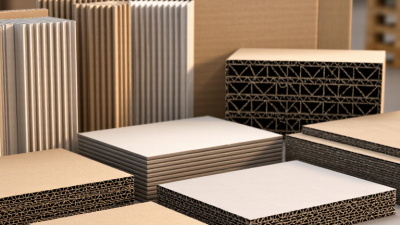
Corrugated board pairs flat liners with a fluted inner layer. The flute profile affects cushioning, stacking strength, and thickness. Fine flutes make a neater print surface. Larger flutes can absorb more impact, but add bulk. Single-wall board works for many everyday shipments; double-wall construction may help when boxes are heavy or stacked. More layers are not always better.

Compare grades using edge-crush or bursting-strength ratings, when available, rather than relying on thickness alone. Check the box’s dimensions and the product’s weight, then test a packed sample with realistic handling. A box that survives a gentle lift may still buckle under several cartons. Moisture matters, too: damp storage can weaken paper fibers. I would not choose by grade label alone. It is an imperfect shortcut. A small packing trial often reveals whether the board flexes, dents, or closes cleanly.

Evaluate Strength Ratings and Protective Features

A strong carton starts with the right test, not the highest number on a spec sheet. Edge Crush Test (ECT) measures how well board resists compression along its edges, which matters when cartons are stacked. Burst strength measures resistance to puncture and pressure across the board. Match the rating to the load, stacking height, and shipping route. A heavy item in a short local trip may need different protection from a lighter carton stacked for days.

Check the full package, too. Flute profile, liner quality, and glued seams affect performance. So do moisture and poor fit. Damp board can lose strength, while excess space lets products shift and strike the walls. Internal dividers or cushioning may prevent damage more effectively than simply upgrading to thicker board. Not a magic shield. Ask for test certificates, then trial-pack the actual product and inspect it after handling or transit tests.

Industry data also gives useful context, though it is not a strength rating. The American Forest & Paper Association reported a 93.6% U.S. corrugated-box recovery rate for 2022. That figure supports choosing recyclable board where practical, but it cannot tell you whether a carton will survive your route. Strength claims need test methods, clear units, and conditions. I would still be cautious: a good lab result can miss rough corners, humid storage, or an awkward hand-packed load.

Check Material Quality and Testing Standards

A strong carton starts with consistent material, not just a thick-looking sheet. Check the board’s weight, flute profile, and liner condition. Edges should look even, with no crushed channels, loose layers, or damp patches. Small defects can become weak points during stacking or delivery. Feel the sheet, but do not rely on touch alone.

Ask the supplier for recent test results and confirm they apply to the board grade you plan to use. Edge-crush testing helps assess stacking strength, while burst testing measures resistance to pressure. Box-compression testing is useful when cartons will be stacked in storage or transit. Methods and limits vary, so compare results against your actual load, box size, and handling conditions. Keep a sample.

Test a few finished cartons with the real product inside. Stack them on a flat surface, inspect the corners, and note any buckling after a reasonable period. Include humid conditions if the package may encounter them; paperboard can lose strength when it absorbs moisture. One test cannot predict every journey. I’ve seen a neat sample perform well on a bench, then soften in a damp warehouse. Record the grade, test method, and date, and ask for updated results when the material changes.

Balance Durability, Cost, and Sustainability

Choosing cardboard is a trade-off, not a search for the thickest sheet. A heavy box can protect fragile items, but it also adds material, shipping weight, and cost. Start with the actual journey: product weight, stacking time, humidity, and handling. Measure twice. A box that survives a warehouse shelf may still soften in a damp delivery van.

For many shipments, corrugated board offers useful strength because its fluted middle cushions impacts. Ask suppliers for edge-crush or burst-strength data, then compare those figures with your packing tests. Test a filled box under realistic stacking, drop, and moisture conditions; a quick hand squeeze is not enough. It can be tempting to over-specify board after one damaged order. That may solve the symptom while quietly raising recurring costs.

Cost should include more than the price per box. Consider storage space, tape use, damage claims, and whether a right-sized design reduces void fill. Sustainability also needs evidence: recycled content, fiber sourcing, and local recycling access matter more than a vague green claim. Recycled fibers can perform well, though repeated processing may affect strength; verify the grade rather than assuming. Sometimes the lighter option is not better. Track damage and material use for several weeks, then adjust one specification at a time.

7 Tips for Choosing Strong Cardboard for Packaging? - Balance Durability, Cost, and Sustainability

Tip What to Check Practical Guidance Cost and Sustainability Balance
1. Match board strength to product weight Product weight, dimensions, fragility, and how many packages will be stacked. Use the lightest board that passes packing and shipping tests. Heavier products and taller stacks generally require stronger board or a better-designed box. Avoid automatically choosing the heaviest grade; excess material can add cost and shipping weight.
2. Choose the right wall construction Single-wall or double-wall corrugated board. Single-wall is commonly suitable for many lighter shipments. Double-wall adds another fluted layer and is often considered for heavier loads, stacking, or more demanding handling. Use double-wall only when testing or shipping conditions justify the extra material and cost.
3. Select flute size for the job Flute profile, cushioning needs, print requirements, and available box dimensions. Common approximate flute heights are E flute at about 1.5 mm, B flute at about 3 mm, and C flute at about 4 mm. Actual board thickness varies by specification. Thinner profiles can help reduce package size; larger profiles may provide more cushioning or rigidity, depending on the design.
4. Compare strength test results Edge Crush Test (ECT), box compression, and burst strength where relevant. ECT indicates the board’s resistance to edgewise crushing; box-compression testing evaluates a finished box under compression. Ask for test results for the actual proposed specification. Compare equivalent test methods and units. A single strength rating does not predict performance in every shipping condition.
5. Account for moisture and storage Exposure to rain, humidity, condensation, or long-term storage. Paper-based corrugated board can lose strength when it becomes damp. Keep cartons dry and test packaging under expected storage and transit conditions. Improve storage and handling first; use moisture-resistant treatments only when the use case requires them.
6. Optimize box size and fit Empty space, product movement, cushioning, and dimensional shipping charges. Choose internal dimensions that fit the product and protective materials. Excessive space can increase material use and allow contents to move during transit. A well-fitted box can reduce filler use and shipment volume without requiring a heavier board grade.
7. Verify recycled content and recyclability Recycled-fiber content, local collection rules, and coatings or attachments. Corrugated fiberboard is widely recyclable where collection and processing are available. Confirm material claims and check whether liners, coatings, or other components affect local acceptance. Request recycled-content details and prioritize designs that meet protection needs while remaining compatible with local recycling systems.

Note: Board performance depends on the full specification, box design, manufacturing quality, and shipping conditions. Confirm suitability with samples and representative packaging tests.

© 2025 Cardboard Tubes | Registered in England and Wales.
Company Number 2402078