How to Choose Cardboard for Shipping in 2026?
Choosing cardboard for shipping in 2026 requires more than comparing thickness, price, and appearance. A box may look strong on a warehouse shelf yet fail after rain, stacking, or repeated handling. Real shipping conditions are rarely gentle. Packages face conveyor belts, crowded trucks, cold storage rooms, and sudden drops.
This guide examines how cardboard structure affects protection, cost, and environmental performance. It considers corrugated flute profiles, edge crush strength, burst resistance, moisture exposure, and box dimensions. Smaller parcels may benefit from lightweight single-wall board. Heavier or fragile products often need stronger double-wall construction. However, thicker cardboard is not automatically better. It can increase shipping weight, storage space, and material waste.
Measure the product first.
A practical selection process should combine supplier specifications with hands-on testing. Pack a sample using the actual product, cushioning, tape, and label placement. Then test compression, vibration, and basic drop performance before ordering thousands of boxes. A small trial can reveal weak corners, crushed flutes, or movement inside the package. Those details matter more than a polished product sheet.
Sustainability also deserves careful attention. Recycled fibers can reduce resource demand, but performance may vary by supplier and moisture conditions. Recyclable cardboard is useful only when the complete package remains practical to recover. That assumption needs review. Reliable suppliers should provide current technical data, consistent quality controls, and clear guidance for storage and handling. By comparing evidence with real packing experience, businesses can choose cardboard for shipping that protects products without creating unnecessary cost or waste.
What Cardboard Types Are Available for Shipping in 2026?
Cardboard Types Available for Shipping in 2026
Shipping cardboard now comes in several practical forms. The right choice depends on weight, distance, moisture, and handling conditions.
Single-wall corrugated board suits books, clothing, small appliances, and everyday parcels. It has one fluted layer between two liners. Double-wall board adds strength for heavier products, stacked cartons, and long-distance delivery. Triple-wall board supports industrial loads, but it costs more and takes more storage space.
Solid fiberboard offers a smooth surface and good print quality. It works well for flat products and retail-style packaging. Honeycomb cardboard uses a paper-cell structure inside thick sheets. It is useful for edge protection, pallet layers, and large items. Recycled cardboard is widely available, but its strength can vary after repeated moisture exposure. Water-resistant coatings help, although they may reduce recyclability.
Tips: Test before ordering large quantities. Place the actual product inside a sample carton. Drop it from table height. Check crushed corners, shifting, and damp surfaces. Use paper padding when movement is obvious. Avoid oversized boxes; empty space increases impact damage. I still sometimes underestimate corner pressure, especially with dense products. That mistake is expensive. Measure both weight and dimensions. Ask a packaging technician for a compression test when cartons will be stacked. Flute size also matters. Larger flutes cushion better, while smaller flutes provide a cleaner surface and tighter folding.
How to Choose Cardboard for Shipping in 2026?
Typical minimum Edge Crush Test (ECT) grades for common corrugated shipping carton constructions.
Single-wall cardboard is suitable for lightweight products and standard parcel shipping. Double-wall cardboard provides greater stacking strength for heavier or fragile goods, while triple-wall cardboard is designed for very heavy products, long-distance transport, and demanding handling conditions. Actual performance depends on flute profile, paper quality, box dimensions, humidity, and load distribution.
How to Match Cardboard Strength to Product Weight and Fragility
How to Choose Cardboard for Shipping in 2026?
How to Match Cardboard Strength to Product Weight and Fragility
Cardboard selection should begin with the product, not the box price. A lightweight item may need strong protection if it contains glass, ceramics, or delicate electronic parts. Measure the product, then consider its weight, shape, and weak points. A narrow, tall item can create different pressure than a compact product with the same weight.
For heavier goods, choose corrugated cardboard with suitable edge crush strength or burst strength. These ratings indicate how well a box may resist stacking and punctures. They do not guarantee safe delivery alone. A 10-kilogram machine part needs stronger walls than a 10-kilogram cushion. Add internal dividers when products can collide. Use firm cushioning around corners, where impact damage often begins.
Box size matters more than many shippers expect. Excess space allows movement during drops and vehicle vibration. Too little space can press directly against fragile surfaces. Leave enough room for cushioning without letting the product shift. Test a packed sample with controlled drops and compression checks. Inspect crushed corners, loose inserts, and hidden cracks afterward.
I have seen strong boxes fail because wet storage weakened them. Moisture resistance may matter in coastal routes or uncovered loading areas. Do not rely on one test or one rating. Product shape, handling conditions, and packing skill can change the result. My first packaging choice is rarely perfect, so I review damaged samples and adjust the design.
Which Box Size and Design Minimize Damage and Shipping Costs?
How to Choose Cardboard for Shipping in 2026?
Box size often controls both damage and shipping cost. A box with 80 millimeters of empty space lets products move, especially around corners. A tight fit usually needs less filler and reduces dimensional weight. Many carriers calculate charges using the larger value between actual weight and volume. The common formula is length × width × height divided by a dimensional factor, which varies by service. Measure the finished package, not only the product.
Choose corrugated board according to product weight, drop risk, and stacking pressure. Single-wall board suits many lightweight items, while double-wall board offers stronger edge protection for heavier products. A 2023 International Safe Transit Association report emphasizes testing packages against drops, vibration, compression, and environmental changes. Laboratory testing is useful, but real delivery routes can be messier. Test a packed box from waist height, then inspect crushed corners and shifting contents.
The United States Environmental Protection Agency reported that containers and packaging generated 82.2 million tons of municipal solid waste in 2018, or 28.1% of the total. Oversized boxes create unnecessary material and transport volume. Right-size the carton, use full flaps, and keep seams securely sealed. Avoid designing for perfect warehouse conditions. A slightly stronger box may cost more, yet one damaged shipment can erase those savings. Recheck dimensions after adding protective inserts.
How Do Sustainability Standards Affect Cardboard Selection?
How to Choose Cardboard for Shipping in 2026?
How Do Sustainability Standards Affect Cardboard Selection?
Sustainability standards now influence cardboard selection as much as strength and price. Recycled content matters, but it does not tell the whole story. A box should also have traceable fiber sources, reliable recycling instructions, and measured manufacturing impacts. Recognized certification systems can support these claims. However, certificates should match the actual material and supplier. Paperwork alone is not proof of responsible packaging.
I once selected a highly recycled carton for a heavy product. The material looked environmentally preferable, but it collapsed after repeated handling. That choice created more waste, not less. Testing matters. Check compression strength, moisture resistance, recycled content, and coating compatibility. Avoid adding plastic layers unless protection truly requires them. Some coatings can complicate recycling. Local collection systems also differ, so “recyclable” is not universal. This is easy to overlook.
Tips: Ask for current test data and fiber documentation. Compare box weight, not just recycled percentage. Choose the lightest carton that protects the product. Verify whether inks, adhesives, and coatings fit local recycling guidance. Leave room for doubt. Sustainability claims can sound clearer than the evidence behind them.
What Tests Confirm Cardboard Is Ready for Safe Shipping?
Choosing cardboard in 2026 starts with the shipment, not the box label. In packing evaluations, I inspect flute condition, sheet thickness, and visible crush damage. A strong-looking panel can hide weak edges. Test it before filling.
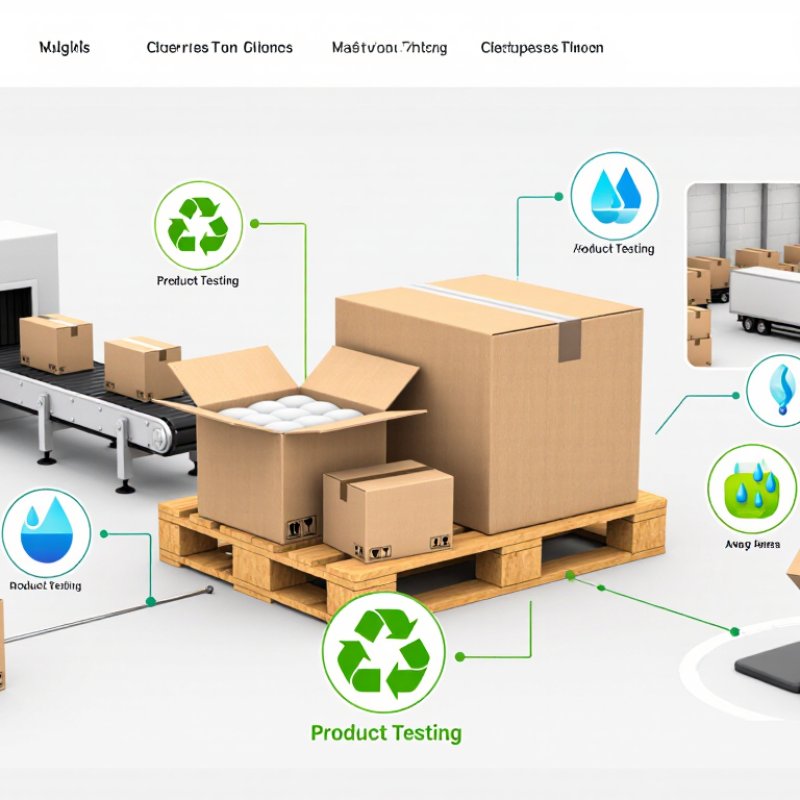
The Edge Crush Test measures how much load a board edge can resist. It helps predict stacking performance during warehouse storage. Burst testing measures resistance to sudden pressure and tearing. Puncture testing matters when corners or rough contents strike the wall. Cobb testing checks water absorption after timed exposure. This detail matters. Damp fibers lose stiffness quickly. For heavier parcels, compression testing should use the actual box size and closure method. A small change in dimensions can change the result. I would not trust a flat-sheet test alone.
Drop, vibration, and compression trials should use a filled sample with realistic weight. Drop each vulnerable corner, edge, and face from the planned handling height. Then inspect crushed flutes, split seams, and shifted contents. Repeat samples, because one successful box proves little. Humidity conditioning can reveal failures hidden in a dry room. Test after storage, too. A practical pass requires intact walls, secure closures, and no product movement. Still, test plans are not perfect. Real couriers handle parcels unpredictably. Leave a safety margin, record every result, and revise the board grade when evidence disagrees with assumptions.