How to Choose Printed Cardboard Packaging for Your Business?
Choosing printed cardboard packaging means balancing protection, brand presentation, production needs, and cost. A carton should fit the product securely, open without frustration, and remain clear on a crowded shelf. Small details matter. A tuck flap that catches, tiny ingredient text, or a glossy coating that shows fingerprints can weaken an otherwise polished design.
Graphic-design authority Paul Rand wrote, “Design is the silent ambassador of your brand.” His point applies to a printed carton: customers often meet the package before they meet the product. That first impression should feel intentional, not merely decorative. Still, an attractive mockup is not proof of a successful package. It must also work in a customer’s hands.
This guide explains how to compare cardboard grades, choose suitable printing and finishes, and assess structural design. It also considers print readability, product fit, ordering quantities, and practical testing. Ask suppliers for samples, inspect colors in ordinary lighting, and test how the package handles stacking and opening. A small prototype can reveal problems that a screen cannot. That step takes time. It may save a costly redesign later.
There is no single best specification for every business. A lightweight carton may suit one product but feel flimsy around another. Choose printed cardboard by testing it against your product, budget, brand, and distribution needs—not by appearance alone.
Identify Your Product, Audience, and Packaging Requirements
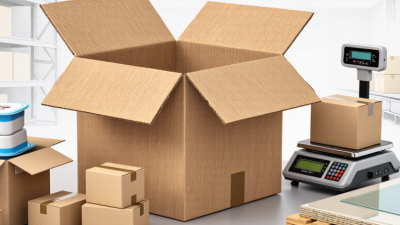
Before choosing printed cardboard packaging, define the product’s size, weight, fragility, and storage conditions. A glass jar needs a snug fit and protective inserts; a lightweight clothing item may need less material. Fit comes first. Measure the packed product, not just the item, and test a filled sample through handling and shipping. A box that looks sturdy on screen can still crush at a corner. I have seen artwork get more attention than the unglamorous fit test; that is an easy mistake to repeat.
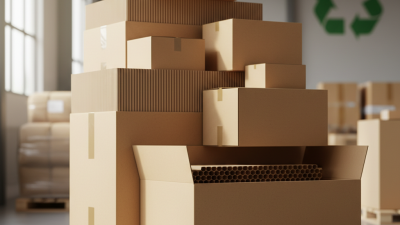
Then consider who will open the package and what they need to notice. Retail shoppers may value clear product details and strong shelf visibility, while online customers may care more about easy opening and a neat arrival. Keep essential text readable at actual print size, especially on small panels. Check that coatings, windows, adhesives, and inserts suit your recycling goals. The U.S. EPA’s 2018 Advancing Sustainable Materials Management report estimated that 96.5% of corrugated boxes were recycled in the United States. That figure applies to corrugated boxes, not every paper package, so material choices still matter. Eurostat’s packaging-waste data also tracks paper and cardboard separately, a useful reminder to check the rules and recovery systems in your own market. Small details matter. A short production run can reveal weak folds, muddy colors, or confusing instructions before you commit to a larger order.
Select Printing Methods, Colors, and Finishing Options
Choose a printing method that fits the order size, artwork, and board surface. Digital printing suits short runs and changing designs, while offset printing can deliver consistent detail across larger quantities. Flexographic printing is often practical for simple graphics on corrugated board. Ask for a sample on the actual stock; ink can look different on a rough, absorbent surface. Small runs need flexibility.
Plan colors around the packaging’s job. A limited palette can keep product names and instructions easy to read, especially on small cartons. Use CMYK for photographic images, and consider spot colors when brand color consistency matters. Request a printed proof under ordinary store or office lighting. Screens are not reliable color references. I would avoid approving a sample based only on a bright monitor; that shortcut is tempting, but risky.
Finishes should protect the design without making the package harder to use. Aqueous coating can add everyday scuff resistance, while matte or gloss varnish changes the visual feel. Foil and embossing add texture, but may increase cost and production complexity. Check fold lines, glued seams, and small text on a finished mock-up. More decoration is not always better. A slightly imperfect test sample can reveal issues early, so treat it as useful feedback rather than a final verdict.
Compare Suppliers, Costs, and Production Timelines
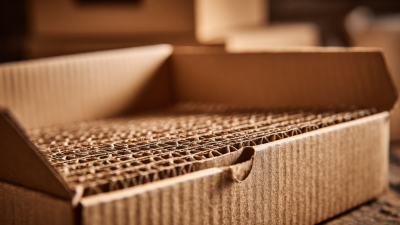
When comparing printed cardboard packaging suppliers, request quotes against one shared specification: board grade, flute profile, box dimensions, print coverage, order quantity, and delivery location. Otherwise, a low unit price may hide thinner board, different print quality, or excluded freight. Ask each supplier to separate setup, printing plates or dies, sampling, packing, and shipping costs. Small details matter: a large solid-color panel can require different print controls than a simple one-color logo.
Production schedules need the same scrutiny. Ask for separate dates for artwork checks, physical samples, approval, manufacturing, and dispatch. Confirm whether the quoted lead time starts at purchase-order placement or final artwork approval. That distinction can shift your launch date. Eurostat reported that paper and cardboard made up 34.0 million tonnes of EU packaging waste in 2022, the largest material category. This scale makes clear material specifications and end-of-life guidance worth discussing with suppliers, not assuming.
Compare suppliers using a small trial order when possible. Inspect folded corners, print alignment, and how the box handles stacking; a digital proof cannot reveal everything. One planning miss is easy to make: approving artwork late, then blaming production for the delay. Ask about capacity during your intended production month, rush-order charges, and what happens if a sample needs revision. Record the answers side by side. Slightly tedious, but useful.
How to Choose Printed Cardboard Packaging for Your Business?
Compare typical production lead-time planning ranges by print method.
How to read this chart: These illustrative planning ranges are in business days and exclude shipping; actual timelines vary with order size, artwork approval, material availability, and supplier capacity. Digital printing can suit shorter runs with lower setup requirements, while flexographic and litho-laminated production may offer different per-unit economics at volume, but can require more setup time. Request comparable quotes and confirmed schedules from suppliers before deciding.
Check Sustainability, Compliance, and Packaging Performance
Printed cardboard can look responsible, but the full material choice matters.
Ask what percentage of the board comes from recycled or responsibly sourced fiber. Check whether coatings, laminates, and inks affect recyclability in your intended waste system.
Details matter.
A supplier’s sustainability claim should be supported by current documentation, not just a logo on a sample. Request material specifications and any relevant chain-of-custody or environmental certificates. Then confirm that local recycling facilities accept the finished package; rules and sorting systems can differ by region.
A recyclable board may become harder to recycle when heavily coated.
That trade-off is easy to overlook.
Compliance depends on what the package holds and where it will be sold. Verify applicable labeling, material, and safety requirements for your product and target market with qualified specialists. Keep approved artwork, test records, and supplier declarations together, so changes can be checked before printing. For performance, test filled cartons under realistic stacking, vibration, and humidity conditions. Look for crushed corners, scuffed ink, or seams that loosen after handling.
Test it twice.
A design that survives a showroom sample may still fail after a damp delivery route, so adjust board grade or structure based on measured results.