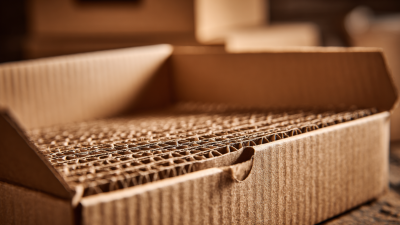

Why Choose Printed Cardboard Packaging for Global Buyers? The answer begins with a practical balance between protection, presentation, and supply-chain efficiency. Printed cardboard gives brands a visible surface for logos, instructions, barcodes, and handling symbols. A carton arriving at a warehouse can communicate product details before it is opened. That matters when products cross languages, climates, and distribution networks.
Industry data supports this direction. Smithers’ report, The Future of Global Packaging to 2028, forecasts continued growth in worldwide packaging demand, driven by e-commerce, food delivery, and consumer goods. Its findings also highlight sustainability pressure across packaging supply chains. The Confederation of European Paper Industries reports that paper and board remain important circular materials in Europe, supported by established collection and recycling systems. FEFCO’s European market statistics similarly show the continuing importance of corrugated packaging for transport and retail applications. These reports do not make cardboard automatically sustainable. That claim needs evidence.
Experienced buyers should examine board grade, coating, ink system, compression strength, and moisture resistance. A double-wall carton may protect heavy products better than a lightweight single-wall box. A matte finish can reduce glare during warehouse scanning. However, too much ink coverage or mixed materials may complicate recycling in some markets. Local infrastructure differs. That detail is often ignored. Buyers should request test reports, migration documentation when relevant, and packaging samples before approving mass production. Printed cardboard is not a universal solution, but it can offer a credible, adaptable choice when design and performance are assessed together.
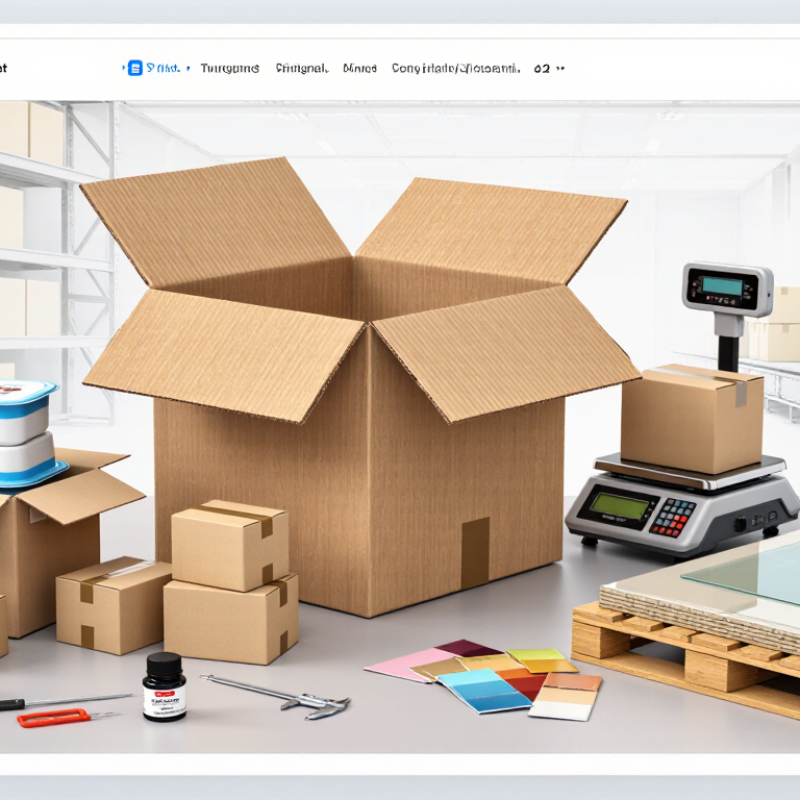
Printed cardboard packaging is a paper-based package with graphics applied to its surface. It commonly uses folding carton board, kraft board, or corrugated board. Corrugated designs add a fluted inner layer for cushioning and strength. Common formats include cartons, sleeves, inserts, mailers, and shipping boxes. Printing may use offset, flexographic, or digital methods. Finishing can include coating, creasing, die-cutting, and folding.
That definition matters. Smithers’ The Future of Corrugated Packaging to 2029 report estimates the global corrugated packaging market at about US$205 billion in 2024. E-commerce, food, and consumer goods remain major demand areas. However, market growth does not make every printed box sustainable. The U.S. Environmental Protection Agency reported a 68.2% recycling rate for paper and paperboard containers and packaging in 2018. Inks, plastic laminations, wet-strength additives, and product residue can still complicate recycling.
For global buyers, specifications should state board grade, grammage, dimensions, print colors, coating, moisture resistance, and stacking performance. Samples should face compression, rubbing, and humidity tests before mass production. Flat-packed cartons can reduce warehouse volume and simplify international shipping. Printed surfaces can also carry multilingual instructions, handling symbols, and traceability details. The weak point is overprinting. Dense graphics may affect color consistency or hide recycling information. In practical trials, attractive samples sometimes fail after rubbing tests. Appearance alone is not proof of performance.
Why Choose Printed Cardboard Packaging for Global Buyers?
How Printed Cardboard Packaging Supports Global Shipping
Printed cardboard packaging helps global buyers identify, handle, and protect products during long transport. UNCTAD’s Review of Maritime Transport 2024 reports that over 80% of global merchandise trade by volume moves by sea. Boxes may face humidity, compression, vibration, and repeated transfers. Corrugated fluting absorbs impact, while clear printing supports warehouse scanning and destination checks. A strong box matters.
In export testing, small details often decide performance. A weak corner can collapse under stacked cartons. Excess ink coverage may also affect recycling quality. Smithers’ The Future of Corrugated Packaging to 2029 tracks continued demand for corrugated packaging worldwide, but growth does not remove design risks. Packaging engineers should test printed samples, not only approve digital artwork.
Tips: Match board strength to product weight and stacking height. Keep essential handling marks highly visible. Use scannable codes with strong contrast. Confirm ink, coating, and adhesive compatibility with local recycling systems. Leave room for improvement. No package performs perfectly across every climate and route.
For global buyers, printed cardboard packaging offers a practical balance between presentation, protection, and shipping control. A well-designed carton can show product details, handling marks, and recycling guidance in several languages. This reduces confusion when boxes pass through warehouses, freight terminals, and retail shelves. It is also lighter than many rigid alternatives, which can lower transport weight and storage pressure. Yet lighter does not always mean stronger. Product weight, stacking height, humidity, and transit distance must be tested before approval.
International purchasing teams often value predictable production as much as attractive printing. Cardboard can be cut, folded, and printed in consistent formats, helping factories standardize packing lines. Clear artwork files, color references, and tolerance requirements make communication easier across time zones. Samples should be checked under real lighting, not only on a screen. Ink may appear different on recycled fibers, and small text can lose sharpness after finishing. That detail is easy to miss.
Printed packaging also supports responsible buying decisions. Buyers can request recycled content, suitable water-based inks, and dimensions that reduce empty space. These choices need evidence from suppliers, such as material specifications, test reports, and production samples. Claims should be verified rather than copied into marketing. In my experience, the best results come from reviewing a trial shipment before placing a large order. A carton may look excellent in a sample room but arrive scuffed after weeks at sea. Small improvements in board grade, corner protection, or moisture control can prevent costly surprises. Not every solution suits every market.
Why Choose Printed Cardboard Packaging for Global Buyers?
Design, Material, and Compliance Considerations
Printed cardboard packaging must balance shelf appeal, protection, and regional compliance. A strong design starts with the product’s dimensions, stacking pattern, and shipping route. Use clear dielines, readable symbols, and color profiles suited to different printing processes. Small color shifts can occur between suppliers. That detail deserves attention.
Material selection affects performance and environmental claims. Recycled fiber can reduce virgin material use, but its strength may vary with moisture and repeated handling. Corrugated board needs suitable flute structure, edge-crush strength, and humidity testing. The Confederation of European Paper Industries reported a paper recycling rate of about 79% in Europe in 2023. However, recycling rates differ widely by country and collection system. Avoid vague claims. McKinsey’s 2020 consumer research found that 60–70% of respondents were willing to pay more for sustainable packaging in several major markets, but buyers still expect reliable protection.
Tips: Request a pre-production sample and test it under compression, vibration, and humidity. Check ink migration when packaging touches sensitive products. Review recycling labels, extended producer responsibility duties, and language rules for every destination. Keep technical files, material specifications, and test records together. A beautiful box can still fail at customs or collapse in a warehouse. Our early prototypes often looked perfect, yet needed stronger corners. That was an uncomfortable but useful lesson.
Material selection affects print quality, packaging strength, shipping weight, and compliance planning. The chart shows representative midpoint grammage values from commonly used paperboard ranges; actual specifications should be confirmed with the supplier and destination-market requirements.
Higher grammage generally supports greater rigidity and stacking performance, while lower grammage can reduce material use and transport weight. Global buyers should also verify recyclability, fiber sourcing documentation, food-contact suitability where applicable, ink and coating requirements, labeling rules, and the relevant packaging-waste regulations in the destination market.
Global buyers choosing printed cardboard packaging should examine the supplier behind the box. Smithers’ The Future of Global Corrugated Packaging to 2029 forecasts the market will approach USD 205 billion by 2029. This growth increases pressure on suppliers to deliver consistent quality, not merely attractive samples.
Ask for recent test reports covering compression strength, moisture resistance, print accuracy, and material thickness. A reliable supplier should explain its paper sources, production controls, and inspection frequency clearly. Request a pre-production sample, then compare it with the approved file under normal warehouse lighting. Small color shifts can become serious shelf inconsistencies. Ask for corrective-action records when defects occur. Silence is not reassurance.
Supplier experience matters during international shipping. The International Safe Transit Association emphasizes package testing under vibration, impact, and compression conditions. Request test results that match your carton size, product weight, and transport route. Also verify production capacity, lead times, backup equipment, and export documentation. The supplier should provide traceable batch numbers and measurable acceptance standards. Keep the conversation practical. A glossy presentation proves little.
Environmental claims require evidence. A 2024 report from the United Nations Environment Programme highlights the need for credible, measurable progress in packaging waste reduction. Ask whether recycled content percentages are documented and whether inks and coatings suit the intended recycling stream. I have seen purchasing teams focus heavily on unit price. That can be shortsighted. A cheaper carton that arrives crushed, late, or misprinted may cost more than expected. Supplier selection still involves judgment, and no checklist removes every risk.
© 2025 Cardboard Tubes | Registered in England and Wales.
Company Number 2402078