Why Choose Cardboard Packaging for Your Business Needs?
In today's competitive market, choosing the right packaging is crucial. Cardboard packaging has gained significant popularity. According to a recent report by Smithers Pira, the cardboard packaging market is projected to reach $300 billion by 2026. This growth reflects its increasing demand across various industries.
Experts in the field, such as Dr. Emily Carter, a packaging specialist, emphasize the benefits. She states, "Cardboard packaging not only protects products but also offers sustainability." This highlights its dual role in functionality and environmental responsibility.
Additionally, businesses are noticing the cost-effectiveness of cardboard. Compared to plastic, cardboard is often cheaper and easier to recycle. However, some businesses still hesitate, fearing durability issues. This reflects a need for a deeper understanding of cardboard's advantages. Expanding knowledge on this topic is essential for making informed choices.
Benefits of Cardboard Packaging for Businesses
Cardboard packaging offers numerous benefits for businesses aiming to optimize their operations and enhance customer satisfaction. One of the most significant advantages is its eco-friendliness. Made from renewable resources, cardboard is biodegradable. This trait aligns with the growing consumer preference for sustainable practices. Companies can market their commitment to the environment, gaining trust and loyalty from eco-conscious customers.
The versatility of cardboard is another key factor. It can be customized to fit any product shape or size, providing optimal protection during shipping. This means reduced damage rates and fewer returns. Additionally, cardboard packaging can be printed on easily, allowing businesses to create eye-catching designs. This not only enhances brand visibility but also provides essential product information.
Cost-effectiveness is an important consideration too. Cardboard is generally cheaper than many other packaging materials. Businesses can lower their packing costs without compromising quality. However, some may find that thinner cardboard doesn’t offer adequate protection. It's essential to balance cost with the required durability. Finding the right type of cardboard can be a reflective process, but the potential rewards, such as enhanced customer satisfaction and loyalty, make it worth the effort.
Sustainability and Environmental Impact of Cardboard
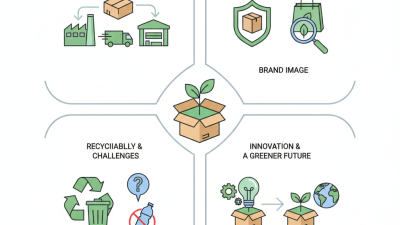
Choosing cardboard packaging for your business can significantly impact the environment. Cardboard is primarily made from renewable resources and is recyclable. This sustainable option reduces waste in landfills. Many consumers favor brands that prioritize eco-friendly practices. By switching to cardboard, businesses can attract environmentally conscious customers.
Cardboard packaging helps decrease carbon footprints. Manufacturing cardboard generates fewer greenhouse gases compared to plastic. It's also biodegradable, breaking down naturally over time. This contrasts sharply with plastic, which can take centuries to decompose. Opting for cardboard not only supports sustainability but also conveys a commitment to the planet.
Consider using recycled cardboard for extra sustainability. This choice can further lower your environmental impact and contribute to a circular economy. Although sourcing can be challenging, many suppliers now offer recycled options. Keep in mind that materials need proper handling during transport to maintain integrity. Always assess local recycling facilities to ensure effective disposal and recycling practices.
Cost-Effectiveness of Cardboard Packaging Solutions
When considering packaging for business needs, cardboard stands out for its cost-effectiveness. According to a recent industry report, cardboard packaging can reduce material costs by 20-30% compared to other solutions. This reduction significantly impacts a company's bottom line. Additionally, cardboard is lightweight, which can lower shipping expenses. Businesses can save even more by reducing transportation costs.
Sustainability adds another layer of value. A survey by the Sustainable Packaging Coalition noted that 74% of consumers prefer brands that use eco-friendly packaging. Cardboard is recyclable and often made from recycled materials. This not only appeals to environmentally conscious consumers, but also can enhance brand loyalty. It's worth noting that while cardboard has many advantages, businesses should carefully assess their product needs. Some products may require more robust materials to prevent damage during transit. Balancing cost with quality is crucial.
Moreover, the cardboard market is evolving. Innovations in design and technology allow customization, offering competitive advantages. Yet, companies should reflect on the long-term implications of switching to cardboard. Supply chain issues, fluctuations in material availability, and durability concerns should not be overlooked. A well-rounded approach to packaging choices can ensure a cost-effective yet sustainable solution for businesses.
Why Choose Cardboard Packaging for Your Business Needs? - Cost-Effectiveness of Cardboard Packaging Solutions
| Packaging Type |
Cost per Unit (USD) |
Durability Rating (1-10) |
Recyclability (%) |
Lead Time (Days) |
| Standard Cardboard Box |
0.50 |
8 |
90 |
3 |
| Reinforced Cardboard Box |
0.75 |
10 |
95 |
4 |
| Custom Sized Box |
1.00 |
7 |
87 |
5 |
| Eco-Friendly Box |
1.25 |
9 |
100 |
6 |
| Flat Pack Box |
0.40 |
6 |
92 |
2 |
Versatility and Customization in Cardboard Packaging
When considering packaging options, cardboard stands out for its versatility and customization potential. Businesses can opt for various shapes and sizes, accommodating different products effectively. This flexibility allows companies to create packaging that not only protects items but also enhances brand visibility. A unique design can make all the difference in a crowded market.
Customization is another key advantage of cardboard packaging. Companies can print vivid graphics and brand messaging directly onto the material. This can foster a stronger connection with customers and convey essential information about the product. Additionally, businesses can easily change designs for seasonal promotions or special editions.
However, it’s important to recognize that not all cardboard solutions are equally durable. Some may not withstand rough handling during shipping. It’s essential to thoroughly test packaging prototypes to ensure they meet specific requirements. Being open to feedback from customers can help improve the packaging over time, addressing any shortcomings. In a competitive landscape, understanding and refining your approach to cardboard packaging can significantly impact your business's success.
Benefits of Cardboard Packaging for Businesses
Consumer Preferences for Cardboard Packaging Options
Consumer preferences for cardboard packaging have shifted significantly in recent years. According to a report by Smithers Pira, around 72% of consumers prefer packaging that is environmentally friendly. Cardboard is recyclable and biodegradable, aligning with the growing demand for sustainable practices. This aligns with a survey from Nielsen that states 81% of global consumers feel strongly about sustainability.
Many businesses are recognizing this trend. A study by McKinsey revealed that companies committed to eco-friendly packaging can boost their brand perception. In fact, 67% of consumers are willing to pay more for sustainable packaging. However, some businesses hesitate to switch. They worry about cost implications and supply chain complexities. While these concerns are valid, integrating cardboard packaging can enhance brand loyalty.
Despite its advantages, not all cardboard packaging solutions are equally effective. A problematic area includes the durability of certain cardboard materials. It's crucial for businesses to assess if the cardboard used meets their product protection needs. Overlooking this can lead to higher return rates or damaged goods. Careful selection and testing can mitigate these risks.