Top 10 Uses of Cardboard for Shipping Efficiency and Sustainability?
The use of cardboard for shipping has gained significant traction in recent years. A recent report by Smithers Pira indicates that the global demand for cardboard packaging is expected to exceed 500 million tons by 2025. This surge reflects a growing awareness of sustainability and efficiency in shipping operations. Experts agree that cardboard for shipping not only reduces costs but also minimizes environmental impact.
James L. Thompson, a noted packaging specialist, states, "Switching to cardboard for shipping can reshape how companies approach sustainability." His insight emphasizes the critical role of cardboard in promoting eco-friendly practices. Companies utilizing cardboard for shipping report that it can cut shipping waste by up to 30%.
Despite these advantages, challenges persist. Some businesses may find that relying solely on cardboard compromises durability. This could lead to damage during transport. Balancing efficiency with sustainability remains an ongoing conversation in the industry. The potential of cardboard for shipping is clear, yet further innovation and adaptation are necessary to maximize its benefits while addressing its limitations.

Innovative Packaging Solutions: Cardboard's Role in Shipping Efficiency
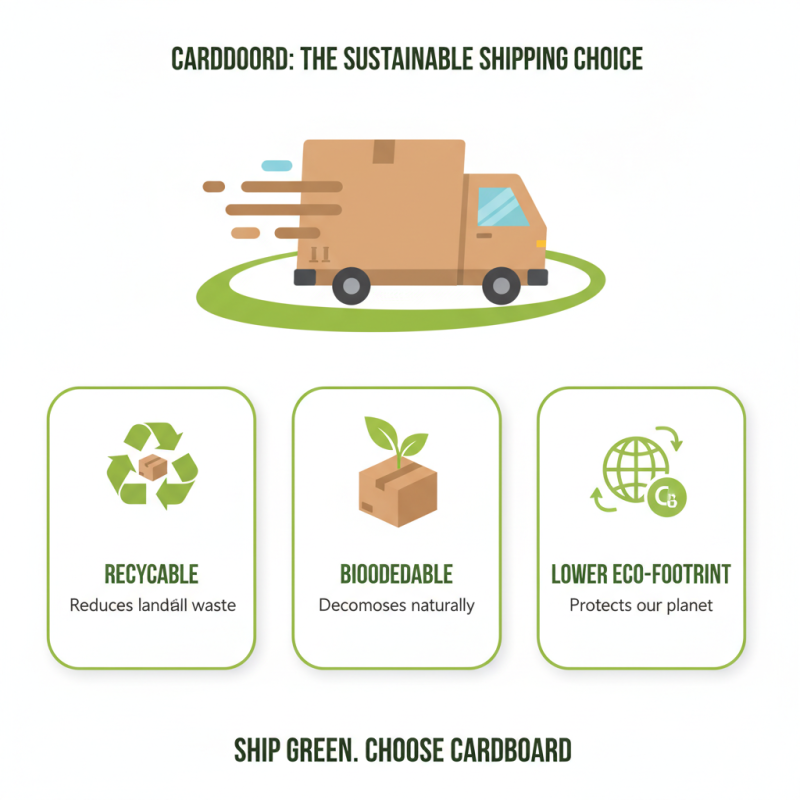
Cardboard has emerged as a key player in modern shipping. Its lightweight nature reduces transportation costs. This material also offers excellent protection for products during transit. Unlike plastic, cardboard is biodegradable and recyclable, making it a sustainable choice. A well-designed cardboard box can minimize waste, optimizing the shipping process.
Innovative packaging solutions are changing the landscape. Companies now use custom fit designs to reduce void space. Tailored boxes mean less packing material is required, cutting down environmental impact. Moreover, cardboard can be layered for added strength. This method not only protects products but also improves load stability. Yet, challenges remain. Some cardboard boxes may not withstand extreme conditions, leading to potential product damage. Finding the balance between durability and sustainability is crucial.
The journey toward efficient shipping isn't perfect. Cardboard production still consumes resources and energy. Consumers often overlook the sustainability benefits, focusing more on convenience. Education on responsible usage is necessary. By embracing these practices, we can enhance shipping efficiency while supporting a greener future.
Cost-Effective Shipping: How Cardboard Reduces Packaging Expenses
Cardboard packaging has become a preferred choice for shipping due to its effectiveness and cost savings. Its lightweight nature reduces shipping costs significantly. Companies can save on transportation fees by opting for lighter materials. This strategy also lowers fuel consumption, benefiting the environment.
Using cardboard, companies can tailor packaging to fit products better. Custom-sized boxes minimize wasted space, which in turn reduces packing materials. While this seems efficient, not every company is utilizing this potential. Some still rely on standard sizes, leading to increased costs and unnecessary waste.
Moreover, cardboard is recyclable and biodegradable, promoting sustainability. However, some organizations struggle with proper recycling practices, which can undermine these benefits. Encouraging staff training about recycling is essential. With improved knowledge, businesses can enhance their sustainability efforts effectively.
Top 10 Uses of Cardboard for Shipping Efficiency and Sustainability
Versatile Cardboard Designs: Adapting to Various Shipping Needs
Cardboard's versatility in shipping design is impressive. It adapts well to the unique needs of various industries. According to the Paper and Packaging Board, approximately 70% of consumers prefer eco-friendly packaging. This statistic highlights the importance of innovative cardboard designs. E-commerce and retail sectors utilize cardboard for everything from boxes to protective inserts. These materials lower carbon footprints and enhance brand image.
Moreover, custom designs optimize shipping processes. Flexible cardboard can be molded to fit products snugly. This minimizes the need for excess packing materials. A report from Smithers Pira noted a 10% reduction in shipping costs with optimized cardboard packaging. This efficiency means less waste produced, translating to positive sustainability impacts. However, not all designs prioritize strength. Weak structures can lead to product damage during transport.
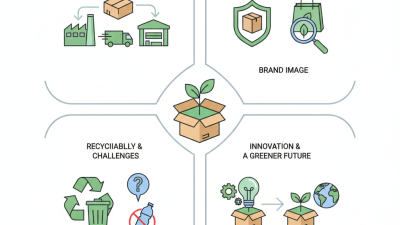
Reflectively, challenges remain. Many companies still rely on conventional packaging methods. While cardboard is a great option, not all suppliers understand its potential. This oversight can result in inefficiencies. Shifting towards adaptable, sustainable designs requires a cultural change within organizations. As the industry continues to evolve, embracing these new cardboard innovations could lead to significant improvements in shipping efficiency and sustainability.
Recycling and Reusability: The Lifecycle of Cardboard in Shipping
Cardboard plays a crucial role in shipping, demonstrating remarkable potential for recycling and reusability. When cardboard boxes are used, their lifecycle can impact the environment significantly. After initial use, many cardboard boxes are simply discarded. However, the recycling process can rejuvenate this material. By breaking down old cardboard, manufacturers create new products. This reduces waste and saves trees.
Yet, not all cardboard makes it to recycling facilities. Many people are unaware of proper disposal methods. They might toss them in the trash instead. This leads to more waste in landfills. Education on recycling practices is essential. Using labels and community programs can encourage effective recycling habits.
Additionally, many companies are now focusing on reusability. By creating sturdy cardboard designs, boxes can be reused multiple times. Some even redesign their shipping boxes for various purposes. However, people often forget to return these boxes, leading to further challenges. Reusable options must be convenient to spark change in consumer behavior. The journey of cardboard in shipping is a tale of challenges and opportunities, urging reflection on sustainable practices.