Top 10 Tips for Using Industrial Cardboard Tubes Effectively?
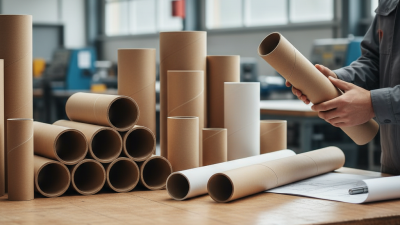
Industrial cardboard tubes are becoming increasingly popular in various sectors. Their versatility and eco-friendliness make them valuable. As industry expert Dr. Emily Carter states, "Using industrial cardboard tubes wisely can significantly enhance operational efficiency."
Many manufacturers overlook the potential of these tubes. They can be used for packaging, storage, or even as part of a product design. However, the effectiveness of industrial cardboard tubes isn't always realized. Choosing the right size and strength is crucial. An ill-fitting or weak tube can lead to damage.
Often, businesses focus on cost rather than functionality. This short-sightedness can result in waste and inefficiency. For example, improperly sealed tubes may compromise the integrity of their contents. It is essential to reflect on how these decisions impact productivity in the long run. Embracing smart strategies for using industrial cardboard tubes can yield better results and reduce environmental footprint.
Understanding the Importance of Industrial Cardboard Tubes in Packaging
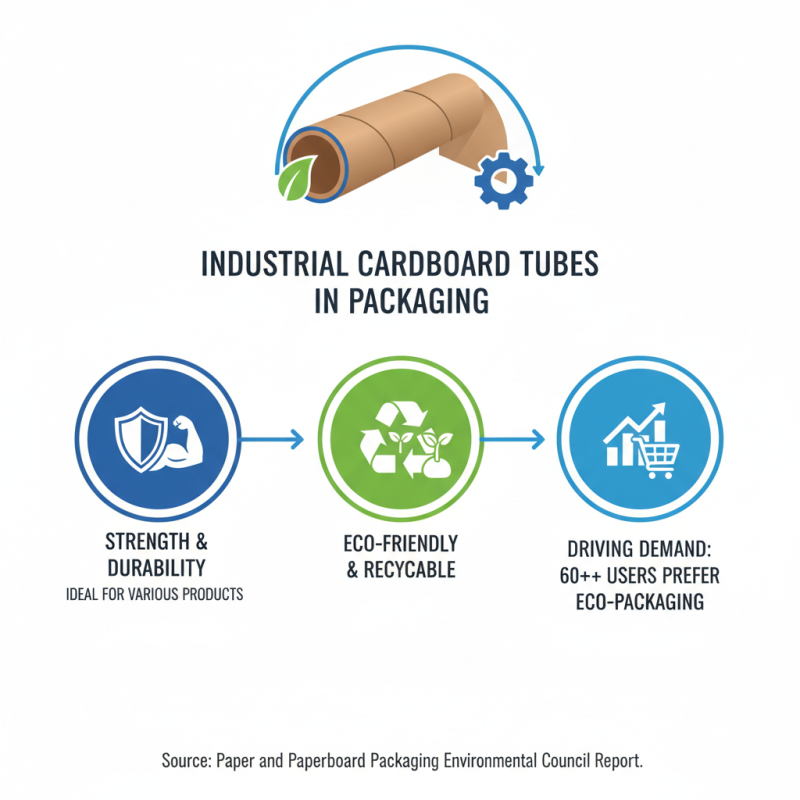
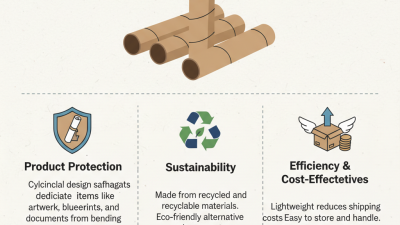
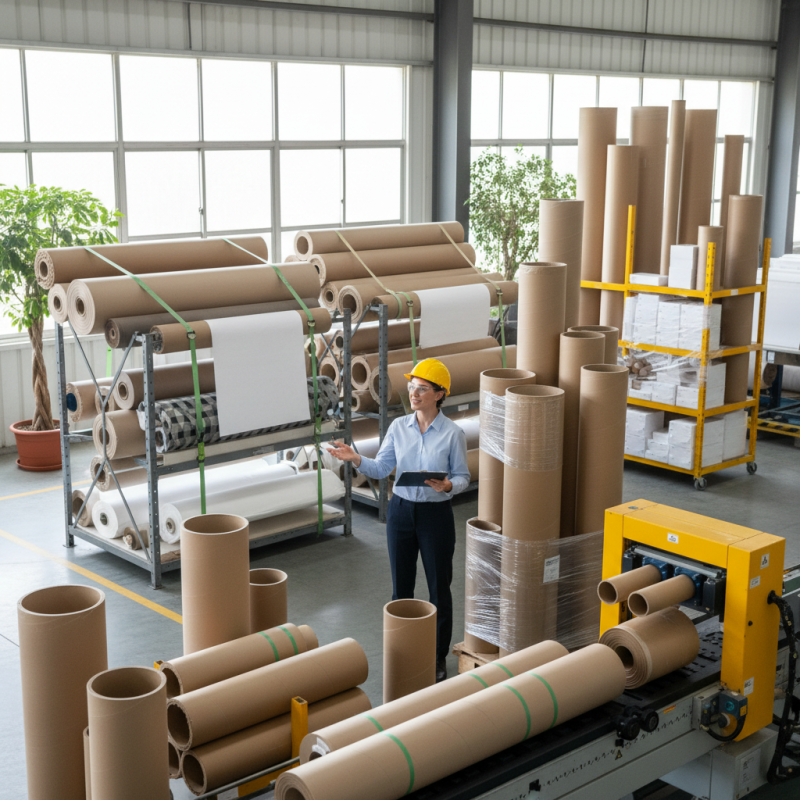
Industrial cardboard tubes play a crucial role in the packaging sector. Their ability to provide strength and durability makes them ideal for various products. According to a recent report from the Paper and Paperboard Packaging Environmental Council, over 60% of packaging users prefer materials that are eco-friendly and recyclable. This preference is a significant factor driving the demand for cardboard tubes.
When using industrial cardboard tubes, consider how they can protect your products. Properly designed tubes can withstand pressure and prevent damage. They can be customized to fit specific items, reducing movement during transportation. A study indicated that customized packaging could reduce damage claims by up to 30%.
Tip one: Ensure the tubes are of appropriate diameter. Too tight or too loose can lead to damage. Tip two: Label your tubes clearly, especially if they contain sensitive items. Mislabeling can lead to costly errors. It’s also vital to reflect on your tube choices. Not all cardboard tubes are created equal. Some may not meet industry standards for weight or durability, which can be problematic.
Selecting the Right Dimensions for Industrial Cardboard Tubes
Selecting the right dimensions for industrial cardboard tubes is crucial for efficiency. First, consider the purpose of the tubes. Are they for packaging or storage? The length and diameter should reflect their intended use. For instance, shorter tubes might be suitable for compact items, while longer tubes can accommodate more voluminous materials.
Measuring accurately is essential. Miscalculating dimensions can lead to wasted resources. Imagine ordering tubes that are too small. Items may not fit, leading to wasted time and money. Conversely, oversized tubes can lead to instability during storage and transport.
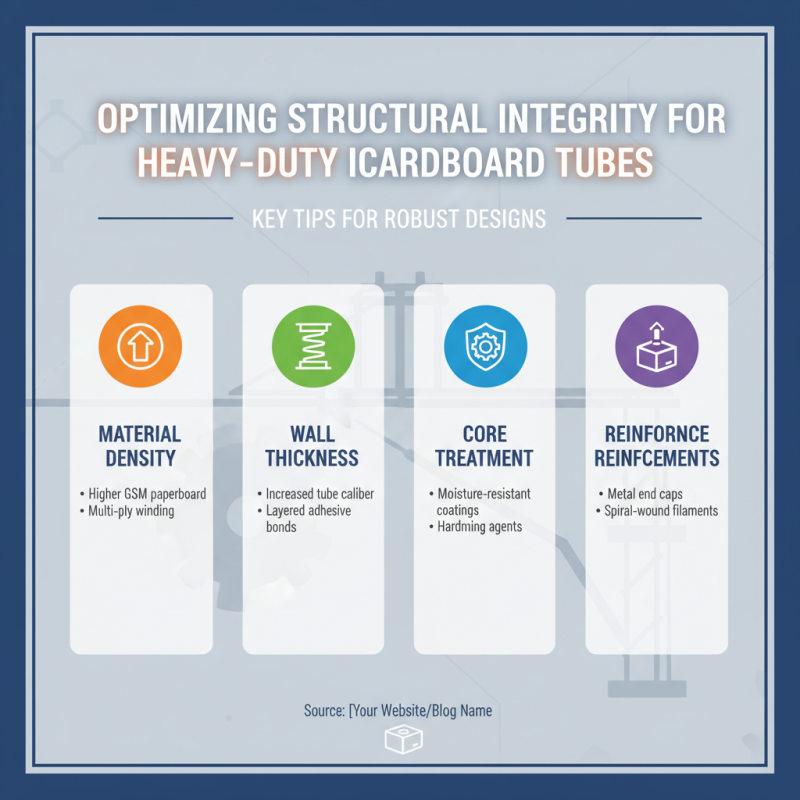
Think about the weight the tubes will support. Heavier loads require thicker materials for durability. Users often overlook this aspect. It’s tempting to choose standard sizes, but customization can yield better results. Consider the environment in which the tubes will be used. Will they be exposed to moisture or extreme temperatures? Selecting the right dimensions with these details in mind can significantly enhance performance and safety.
Top 10 Tips for Using Industrial Cardboard Tubes Effectively
Innovative Uses of Cardboard Tubes Beyond Packaging
Cardboard tubes are often seen as simple packaging materials. However, their potential extends beyond just holding products. According to recent industry reports, the global cardboard tube market is projected to reach $12 billion by 2026, highlighting their versatility. Companies are now exploring innovative uses for these tubes in various fields.
One exciting application is in construction and design. Cardboard tubes can serve as temporary scaffolding or structural supports. They are lightweight yet surprisingly strong. In fact, they can withstand significant pressure when used properly. Designers are even incorporating them into furniture, creating unique and sustainable pieces. The use of cardboard in this way reduces waste and promotes a circular economy. Industry experts suggest that this trend could grow by 15% annually.
Art is another area benefiting from cardboard tubes. Artists use them for sculpture, installations, and even public art projects. They can be cut, painted, and assembled to create imaginative designs. However, not every project turns out as intended. Some artists find the material challenging to work with, leading to trial and error. This aspect might frustrate newcomers, but it also encourages creativity and problem-solving. Embracing these challenges can lead to unexpected and impactful outcomes.
Top 10 Tips for Using Industrial Cardboard Tubes Effectively
| Tip Number |
Tip Description |
Innovative Use |
Benefits |
| 1 |
Use as Plant Holders |
DIY plant pots |
Eco-friendly and biodegradable |
| 2 |
Crafting Projects |
Children's art projects |
Encourages creativity and imagination |
| 3 |
Storage Solutions |
Organizing cables |
Reduces clutter and improves organization |
| 4 |
Reusable Wrapping Material |
Wrapping fragile items |
Protects items during transport |
| 5 |
Pet Toys |
Homemade cat scratchers |
Saves money on pet supplies |
| 6 |
Event Decorations |
Themed decor items |
Sustainable event planning |
| 7 |
DIY Engineering Projects |
Building models |
Enhances learning in engineering |
| 8 |
Cooking and Baking |
Forming baking molds |
Innovative baking solutions |
| 9 |
Kids’ Learning Tools |
Creating a learning box |
Promotes educational activities |
| 10 |
Home Improvement |
Using as paint rollers |
Cost-effective home maintenance |
Sustainable Practices in the Production and Disposal of Cardboard Tubes
In recent years, the production and disposal of cardboard tubes have become increasingly important. These tubes, often used in industries from packaging to crafts, can have a significant environmental impact. Sustainable practices in their production can reduce waste and energy consumption. For example, sourcing recycled materials for tube manufacturing is a simple yet effective strategy. It lowers the need for virgin resources and minimizes carbon footprints.
Disposal practices also require attention. Many people throw these tubes away, leading to unnecessary landfill waste. Instead, consider recycling or reusing them creatively. Cardboard tubes can easily be transformed into storage solutions or crafting projects. These ideas not only promote sustainability but also inspire creativity. Yet, it's crucial to reflect on our behaviors. How often do we overlook the potential of these materials? Fostering awareness around proper disposal can significantly impact environmental conservation.
While the potential for sustainability exists, challenges remain. Not all cardboard tubes are created equally. Some may contain coatings or adhesives that complicate recycling. Understanding the materials involved is essential for effective disposal. As a community, we must advocate for clearer recycling guidelines. By doing so, we create a more sustainable future for industrial cardboard tubes.