Top 10 PET Protective Film Uses and Benefits for Buyers?
In the world of protective materials, PET Protective Film has emerged as a crucial player. According to a recent report from Smithers Pira, the global demand for PET films is projected to reach 15 million metric tons by 2026. This growth highlights the increasing need for effective protection in various industries.
Experts emphasize the versatility of PET Protective Film. Dr. John Reynolds, a leading figure in the film manufacturing sector, stated, "The protective film market is evolving, with PET leading the charge due to its durability and flexibility." Applications range from electronics to automotive, showcasing its broad utility.
While the benefits are clear, buyers must also understand the potential challenges. Not every PET film is created equal. Ensuring quality and suitability for specific applications can be difficult. Understanding these nuances will help buyers make informed decisions on selecting the right PET Protective Film for their needs.
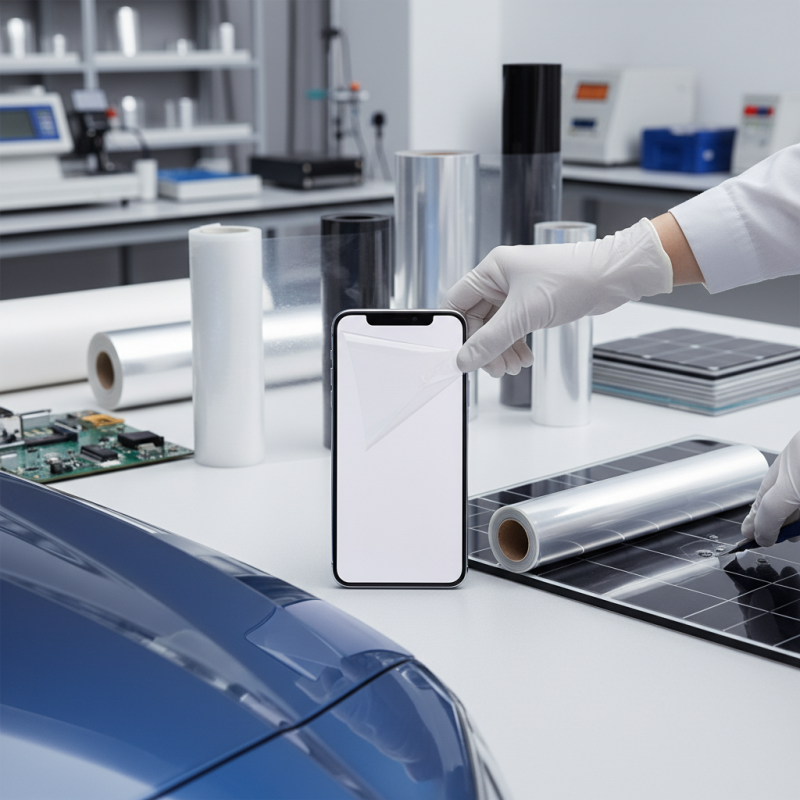
Top Applications of PET Protective Film in Various Industries
PET (polyethylene terephthalate) protective film has become essential across various industries due to its versatility and reliability. Many manufacturers use PET film as a protective layer for surfaces during production and shipping. It prevents scratches, dust, and moisture from damaging products. This film is lightweight yet durable, making it ideal for a wide range of applications.
In the electronics industry, PET films play a crucial role. They are often used as insulators and protectors for screens and delicate components. Their electrical insulation properties keep devices safe from short circuits. In packaging, these films provide a barrier that preserves freshness, ensuring products reach consumers in optimal condition.
Tip: When choosing PET film, consider thickness and adhesion level. The right specifications can enhance protection and usability.
Another significant application is in the automotive industry. Here, PET films shield painted surfaces from chips and scratches. This protection extends vehicle lifespan and maintains aesthetic appeal. In medical settings, PET film serves as a reliable barrier for equipment and surfaces, reducing contamination risks.
Tip: Regularly inspect protective films for wear and tear. Timely replacement ensures continued effectiveness in diverse applications.
Businesses need to explore the unique benefits of PET protective film. Assessing their specific needs can lead to improved efficiency and product longevity. While the film is effective, ongoing research and adaptation are essential to enhance its properties and applications in various sectors.
Benefits of Using PET Protective Film for Product Longevity and Safety
Using PET protective film can significantly enhance the longevity and safety of various products. This versatile material creates a barrier against dust, scratches, and other environmental hazards. For electronics, it prevents scratches on screens, ensuring a clear display. In the automotive industry, it protects paint on vehicles from minor dings and debris during transport.
Moreover, PET film is highly durable yet lightweight. It maintains its integrity even under harsh weather conditions. This makes it ideal for outdoor equipment and signage, where exposure to the elements is common.
Many buyers may overlook the importance of such protection, yet it can save costs on repairs and replacements. Effective use of PET film could lead to fewer resources spent on consumer goods throughout their lifecycle.
However, selecting the right protective film is crucial. Not all PET films are created equal. Thickness and adhesive quality vary significantly. Buyers might face challenges in finding a reliable option. It’s vital to consider the specific needs of the product and the environment it will be exposed to. Understanding these factors can lead to informed decisions, ultimately enhancing product safety and longevity.
Cost Analysis: ROI of Investing in PET Protective Film
Investing in PET protective film provides tangible benefits that can enhance the longevity and performance of various surfaces. According to industry reports, businesses that utilize PET film can see a return on investment (ROI) of up to 30% over three years. This figure is primarily due to reduced maintenance costs and fewer replacements of damaged products. The durability and resistance to scratching and abrasion offered by PET films contribute significantly to these savings.
Quality control statistics show that products protected by PET films experience 15-20% fewer defects during shipping and handling. This improvement in product integrity not only reduces waste but also enhances customer satisfaction. It’s notable that companies integrating these films into their processes report improved brand reputation due to fewer claims for damages. However, buyers must consider the initial expenses of PET films, which can be higher than alternative materials. Evaluating long-term savings against upfront costs is crucial for informed decision-making.
Additionally, market analysis indicates that as demand for sustainable packaging and protective solutions increases, the benefits of PET films are becoming more pronounced. They are often recyclable, aligning with eco-friendly initiatives. Businesses embracing these materials can realize both environmental benefits and financial gains. However, ensuring proper application and integration remains a challenge that needs careful planning.
Environmental Impact of PET Films: Sustainability Considerations
PET films have gained popularity for their versatility and protective qualities. However, their environmental impact raises sustainability concerns. The production of PET films requires significant energy and resources. Studies indicate that recycling rates for PET are improving, yet many films still end up in landfills. This creates a pressing need for better waste management and recycling practices in the industry.
Buyers can make a positive difference by choosing PET films made from recycled materials. Look for products that are certified for sustainability. Moreover, adopting practices like reusing protective films can minimize waste. If you must dispose of PET films, ensure they are recycled properly. This contributes to a circular economy.
Understanding the environmental footprint of your choices is vital. While PET films offer protective benefits, their production leaves a mark. Reevaluating our use and disposal of such materials encourages responsible consumption. Always seek out eco-friendly alternatives and question the lifecycle of your products. This reflection is essential in creating a sustainable future.
Comparative Performance: PET Protective Film vs. Other Materials
When comparing PET protective films to other materials, several key factors emerge. PET films offer exceptional clarity and superior tensile strength. Unlike some alternatives, they resist harsh chemicals while maintaining a thin profile. This makes them ideal for various applications, such as electronics and automotive industries. The durability of PET films can exceed that of polycarbonate and acrylic options. Yet, users must consider that while PET is more scratch-resistant, it may not be completely impact-proof.
Moreover, the versatility of PET films is unmatched. They can be easily printed on, enhancing branding without sacrificing performance. However, not all PET films are created equal. Some may exhibit poor adhesion, leading to peeling and bubbles. It's crucial for buyers to verify the specifications of each film before use. Additionally, recycled PET options are available, appealing to environmentally conscious users. The debate over sustainability versus performance often leaves potential buyers pondering their choices carefully. Balancing eco-friendliness and functionality remains a challenge in selecting the right protective film.