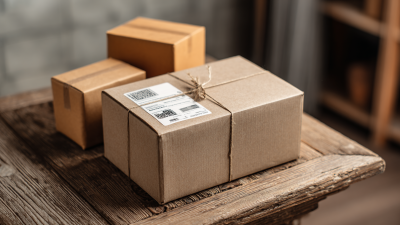

Choosing the right delivery packaging affects product safety, shipping cost, customer experience, and environmental performance. For global buyers, packaging is more than a protective outer layer. It must withstand vibration, stacking pressure, moisture, temperature changes, and repeated handling across different transport networks.
This guide explores ten practical types of delivery packaging, including corrugated boxes, padded mailers, rigid cartons, reusable totes, insulated containers, and protective sleeves. Each option serves a different purpose. A small electronics seller may need molded inserts and anti-static protection. A clothing brand may prefer lightweight mailers with tear-resistant seams. A food distributor may require insulation, leak resistance, and clear temperature-control procedures.
The best choice depends on product weight, dimensions, fragility, delivery distance, and return requirements. Buyers should compare compression strength, cushioning materials, closure quality, labeling space, and storage efficiency before placing large orders. Supplier samples can reveal weaknesses that product descriptions hide. They also show whether the packaging is easy to open without damaging the contents.
No option is perfect. A stronger box may increase freight costs, while lighter materials may offer less protection. Recycled content can support sustainability goals, but it still needs dependable performance. Specifications should be checked against the destination market’s packaging, recycling, and transport expectations. Experienced purchasing teams often test filled packages through drop, vibration, and moisture simulations before approving production. This practical approach improves reliability and reduces avoidable damage. The following overview helps global buyers select delivery packaging with clearer priorities and fewer costly surprises.
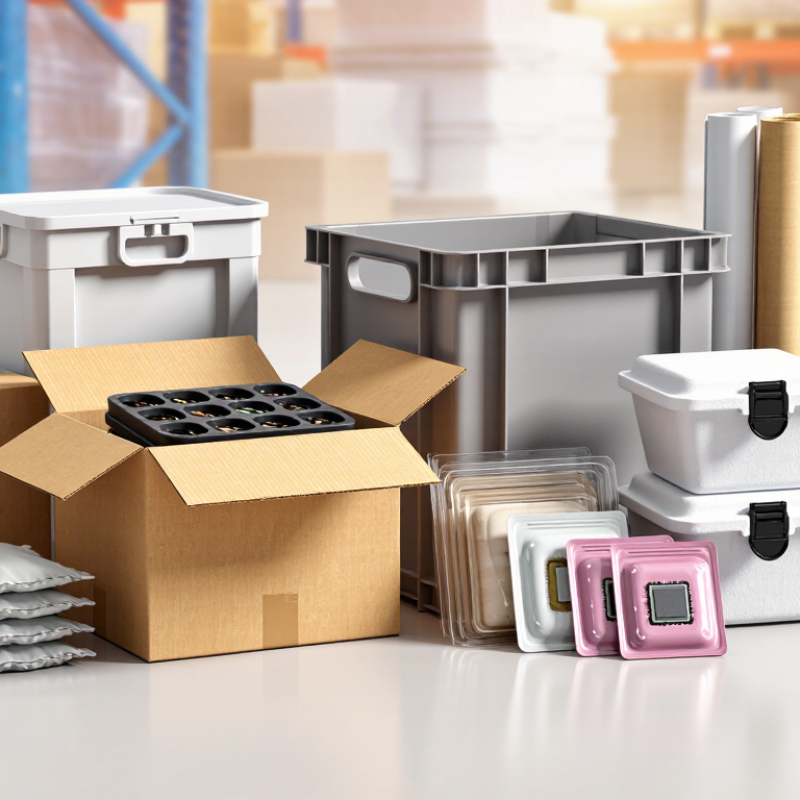
Delivery packaging is the protective system surrounding goods during storage, handling, and international transport. It includes corrugated cartons, padded mailers, rigid boxes, mailing tubes, wooden crates, pallets, insulated containers, poly mailers, flat-pack envelopes, and protective foam inserts.
Each type solves a different shipping problem. A corrugated carton suits books, tools, and household goods. A padded mailer protects small items from surface scratches and light impacts. Tubes prevent posters from creasing, while crates support heavy or fragile equipment. Pallets improve forklift handling. Insulated containers help maintain stable temperatures for permitted temperature-sensitive products.
Global shipping adds moisture, compression, vibration, and repeated transfers. A carton that works locally may fail after several weeks. Select strong outer walls, internal cushioning, and tight-fitting inserts. Leave minimal empty space, but avoid excessive pressure on delicate products. Water-resistant wrapping can protect goods from rain and warehouse humidity.
Clear labels matter. Include product descriptions, destination details, handling marks, and required customs documents. Packaging should also support accurate weight and dimension measurements, since carriers often calculate charges from both. Small errors become expensive.
A practical packing test can reveal weak corners or shifting contents. Drop testing is useful, but it does not copy every real shipping condition. That limitation deserves attention. Lightweight packaging may reduce freight costs, yet it can increase damage claims. Recyclable materials are valuable, although they still need enough strength for the route, climate, and product.
Delivery packaging is commonly classified by its use and material. For documents, padded paper mailers and rigid envelopes offer light protection. Small products often use corrugated cartons, paperboard boxes, or molded pulp trays. These options reduce movement around the item. For fragile goods, foam inserts, air cushions, and honeycomb paper provide impact control. However, cushioning can increase package size and transport emissions.
For liquids sealed pouches, plastic bottles, and protective cartons help prevent leakage. Temperature-sensitive shipments may require insulated boxes with gel packs. Heavy products need reinforced corrugated cases or wooden crates, depending on handling conditions.
Reusable plastic totes suit repeated business deliveries. Compostable films and recycled paper can support sustainability goals, but performance varies in humidity. This is where packaging decisions become less simple.
Tips: Match the material to the product’s weight, shape, moisture exposure, and travel distance. Test a packed sample with drops, vibration, and stacking pressure. Leave little empty space, but avoid excessive filler. Check recycling symbols and import requirements for each destination. Packaging rules can differ widely. A practical mistake is choosing the greenest-looking material without testing its strength. Experience shows that a modest redesign, such as stronger corners or a tighter fit, often prevents more damage than adding layers. Track damage rates and customer feedback, then adjust the packaging specification.
International buyers commonly choose ten delivery packaging types: corrugated cartons, mailer boxes, padded mailers, poly mailers, paper mailers, rigid plastic containers, reusable totes, wooden crates, pallets, and insulated boxes. Each option serves a different shipping risk. Corrugated cartons suit mixed products and stacking. Padded mailers protect small items with less empty space. Wooden crates support heavy machinery, while pallets improve warehouse handling. Insulated boxes help control temperature during long routes. Packaging engineers should match material strength with weight, moisture, vibration, and customs handling.
Parcel demand keeps rising. Pitney Bowes reported 161.8 billion parcels worldwide in its 2022 Parcel Shipping Index. That volume makes small design choices expensive. A carton with excessive void fill increases freight volume. A thin mailer may tear beside a pallet. Practical trials should include drop tests, compression tests, and simulated humidity. Standards from the International Safe Transit Association can guide these procedures, although real routes often behave worse than laboratory tests.
Sustainability also needs careful judgment. The OECD Global Plastics Outlook reported that only 9% of plastic waste was recycled in 2019. Paper is not automatically better if it becomes wet or requires multiple layers. Reusable totes can reduce waste, but only when return logistics are realistic. My own packaging reviews often find one overlooked weakness: closures. A strong box with a poor seal still fails. Buyer feedback, damage records, and transit photos should shape the next packaging revision. Perfect packaging is unlikely. Better evidence is achievable.
Global buyers should compare delivery packaging by product risk, not appearance. Common choices include corrugated cartons, paper mailers, padded envelopes, molded-pulp inserts, rigid boxes, reusable totes, and insulated shippers. Protection comes first. A carton with edge crush strength and internal cushioning can reduce damage from drops, compression, and moisture. For fragile goods, run a small drop test before approving mass production. Low unit cost is meaningless if returns and replacements rise.
Sustainability requires measurable evidence. The OECD’s Global Plastics Outlook reports that global plastic waste reached 353 million tonnes in 2019, while only 9% was recycled. This makes material reduction important, but recycling claims need careful verification. A lightweight paper mailer may lower plastic use, yet it can fail in rain. A reusable tote may perform better, but reverse logistics can erase its environmental advantage. No option wins every metric.
Customization also affects cost and protection. Printed cartons improve recognition, but extra ink, plates, and minimum order quantities increase spending. Start with structure, dimensions, and closure design. Add graphics later. The World Bank’s What a Waste 2.0 estimates that global municipal waste could reach 3.4 billion tonnes annually by 2050. Packaging decisions should therefore consider recycled content, empty space, shipping density, and end-of-life access. I would avoid vague “eco” language. Measure damage rates, pack time, landed cost, and material weight across several shipments. Small pilots reveal uncomfortable weaknesses.
Comparative scores for protection, cost efficiency, sustainability, and customization. Scores range from 1 (low) to 5 (high); cost efficiency reflects lower relative packaging cost.
The comparison reflects commonly observed packaging characteristics: corrugated cartons and paper mailers are economical and recyclable, molded pulp and reusable plastic totes improve protection or repeat-use performance, while insulated and heavy-duty formats provide specialized protection at higher cost.
Selecting delivery packaging starts with product behavior, not appearance. A glass bottle needs molded cushioning, leak-resistant sealing, and a rigid outer carton. A clothing order may need a lightweight mailer, while fresh produce requires ventilation and temperature control. Common options include corrugated boxes, padded mailers, poly mailers, paper tubes, insulated liners, crates, pallets, envelopes, folding cartons, and reusable totes. Each type solves a different handling problem. I have seen attractive packaging fail because the inner space was too large.
Match protection to the journey. Test drop height, stacking pressure, vibration, moisture, and repeated handling. A small electronic item needs anti-static protection and a tight fit. Heavy machinery parts need edge guards, blocking, and pallet stability. Cosmetics need clean, sealed compartments that prevent scuffing and leakage. For international markets, check dimensions, labeling space, recycling rules, and local disposal habits before ordering large volumes. Requirements vary. Do not assume one package works everywhere.
Cost should include damage claims, storage, labor, and shipping volume. A thinner carton can lower freight expense, yet fail during humid transit. Ask suppliers for material specifications, sample testing, and batch consistency. Pilot shipments reveal problems that laboratory tests miss. I still review failed samples carefully, because packaging decisions are rarely perfect. That extra review often exposes weak corners, loose inserts, or confusing opening instructions.
| No. | Packaging Type | Typical Structure and Materials | Best-Suited Products | Protection Level | Preferred Markets and Transport | Sustainability Profile | Selection Considerations |
|---|---|---|---|---|---|---|---|
| 1 | Corrugated Shipping Boxes | Single-wall or double-wall corrugated fiberboard, commonly using kraft paper liners and fluted paper medium. | Books, household goods, electronics, apparel, spare parts, and mixed e-commerce orders. | Medium to high Good stacking and compression performance when correctly sized. |
Suitable for parcel networks, air freight, road transport, and sea freight in most regions. | Widely recyclable where paper recycling infrastructure exists; recycled content varies by specification. | Select wall strength, box dimensions, moisture resistance, and edge-crush performance according to product weight and stacking height. |
| 2 | Rigid Mailer Boxes | Folded paperboard or lightweight corrugated board with an integrated lid, locking tabs, or tear-strip closure. | Cosmetics, clothing, small accessories, subscription products, and presentation-sensitive goods. | Medium Provides shape retention and moderate impact resistance. |
Effective for direct-to-consumer parcel delivery and domestic or cross-border air shipments. | Paper-based versions are generally recyclable if free from plastic laminates and excessive mixed materials. | Use internal inserts for fragile items; verify that dimensions meet parcel-carrier size and dimensional-weight rules. |
| 3 | Padded Mailers | Flexible paper or plastic outer layer with air-cell, foam, or paper-fiber cushioning. | Books, small devices, jewelry boxes, media products, and non-fragile accessories. | Low to medium Provides surface protection and limited cushioning but little stacking strength. |
Best for lightweight parcel delivery and short-to-medium distribution routes. | Paper-fiber padded versions simplify recycling; multi-material plastic and foam versions may require separate disposal. | Avoid for sharp, heavy, liquid, or crush-sensitive products unless combined with a rigid inner pack. |
| 4 | Poly Mailers | Lightweight polyethylene film with a self-seal flap; some formats include recycled content or return seals. | Apparel, textiles, soft goods, documents, and products that are not easily damaged by compression. | Low Resists water and abrasion but provides minimal impact or puncture protection. |
Useful for lightweight parcel delivery, especially where dimensional weight is a concern. | Potentially recyclable through appropriate film-collection systems; local acceptance varies considerably. | Check film thickness, tear resistance, seal integrity, and destination-country rules for plastic packaging. |
| 5 | Paper-Based Protective Mailers | Kraft paper outer layers with crimped, honeycomb, or folded paper cushioning structures. | Apparel, footwear, books, small homeware, and moderately delicate flat products. | Low to medium Improves scuff and light-impact resistance without the rigidity of a box. |
Suitable for parcel delivery and markets with established paper-recycling collection. | Usually easy to recycle when made from fiber-based materials without plastic film or foam. | Not recommended for liquids, sharp edges, high-value fragile products, or severe compression loads. |
| 6 | Rigid Plastic Containers | Reusable or single-use molded plastic cases, bins, or clamshell-style containers with secure closures. | Components, tools, medical supplies, moisture-sensitive products, and goods requiring strong dimensional stability. | Medium to high Good moisture resistance, impact resistance, and repeat-use durability. |
Appropriate for industrial distribution, road freight, air cargo, and closed-loop supply chains. | Reusable systems can reduce packaging waste; end-of-life recycling depends on resin type and local collection. | Higher purchase cost and weight may increase freight expenses; confirm return logistics before choosing reusable formats. |
| 7 | Insulated Shipping Boxes | Corrugated outer box combined with molded fiber, foam, reflective liners, gel packs, or dry ice-compatible components. | Perishable foods, pharmaceuticals, laboratory samples, and temperature-sensitive products. | High for thermal protection Protection duration depends on insulation, coolant quantity, ambient temperature, and transit time. |
Used for domestic and international air shipments when temperature-control requirements are documented and validated. | Fiber-based insulation may simplify disposal; foam and coolant components require separate handling in many markets. | Validate pack-out temperature performance, transit duration, regulatory requirements, and handling of refrigerants. |
| 8 | Paper Tubes and Mailing Tubes | Spiral-wound or convolute-wound paperboard tube with plastic, metal, or paper end caps. | Posters, drawings, maps, banners, rolled textiles, and long cylindrical components. | Medium Excellent resistance to bending and crushing along the tube axis. |
Suitable for parcel and air delivery where long-item handling is available. | Paperboard tubes are generally recyclable if end caps and other materials can be separated. | Confirm maximum parcel length, end-cap security, moisture resistance, and dimensional-weight charges. |
| 9 | Wooden Crates and Cases | Solid wood, plywood, or engineered wood panels with nails, screws, skids, and internal blocking. | Heavy machinery, industrial equipment, stone products, large instruments, and high-value fragile cargo. | Very high Strong protection against impact, compression, vibration, and rough handling. |
Best for sea freight, road freight, project cargo, and heavy shipments; export wood packaging may require treatment compliance. | Wood can be reused or recovered, but treatment, fasteners, weight, and disposal requirements vary by destination. | Check allowable gross weight, lifting points, moisture protection, fumigation or heat-treatment documentation, and customs rules. |
| 10 | Palletized Unit Loads with Stretch Wrap | Wood, plastic, or composite pallet combined with cartons, corner boards, strapping, and stretch film. | Bulk cartons, beverages, packaged foods, industrial parts, and warehouse replenishment orders. | High for unit-load stability Reduces movement and improves handling efficiency when properly secured. |
Preferred for full-truckload, less-than-truckload, containerized sea freight, and distribution-center shipments. | Pallet materials may be reusable or recyclable; stretch film collection is available in some commercial recycling systems. | Confirm pallet dimensions, load height, forklift access, maximum gross weight, wrap containment force, and destination handling equipment. |
© 2025 Cardboard Tubes | Registered in England and Wales.
Company Number 2402078