Top 10 Cardboard Tubes for Shipping You Need to Know About
In the world of packaging, "cardboard tubes for shipping" have emerged as an essential solution for protecting various items during transit. According to industry expert John Avery, a packaging consultant with over 15 years of experience, “Choosing the right cardboard tube can make a significant difference in ensuring that products arrive in perfect condition.” This statement underscores the critical role of selecting high-quality materials tailored to the specific needs of shipped goods.
As e-commerce continues to grow, the demand for reliable packaging solutions has never been more paramount. Cardboard tubes offer a versatile and eco-friendly option, catering to a wide array of products, from posters and blueprints to fragile items. Manufacturers have certainly risen to the occasion, providing an extensive selection of options designed to meet different delivery requirements. This article will explore the top 10 cardboard tubes for shipping that you need to know about, detailing their unique features, benefits, and ideal use cases. Whether you are in the business of sending art prints or need protective casings for cylindrical items, understanding your choices can help ensure safe and efficient shipping practices.
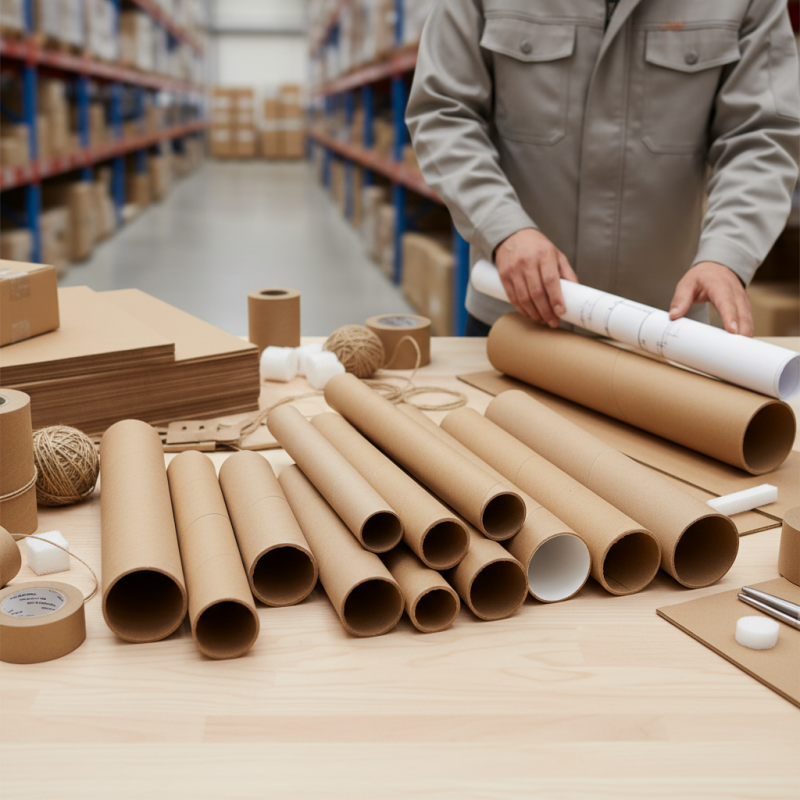
Overview of Cardboard Tubes for Shipping
When considering shipping options, cardboard tubes have gained significant traction in various industries due to their unique advantages. According to a report by Smithers Pira, the global market for sustainable packaging, including cardboard tubes, is projected to reach $500 billion by 2024. This surge emphasizes the increasing demand for eco-friendly packaging solutions that cardboard tubes provide, as they are recyclable, lightweight, and highly durable.
Cardboard tubes are particularly ideal for shipping long or fragile items, such as artwork, posters, and blueprints. With their protective cylindrical design, they prevent bending and breaking, ensuring that products reach their destination intact. Research indicates that shipping damages are reduced by up to 40% when using tubular packaging compared to traditional flat packaging methods. Additionally, industry studies show that the use of cardboard tubes not only improves product safety but also enhances brand perception, as sustainability in packaging becomes a critical factor for consumers.
Furthermore, the versatility in sizes and customization options for cardboard tubes allows businesses to optimize their shipping processes. By tailoring the dimensions to fit products snugly, companies can minimize shipping costs and reduce material waste. As sustainability becomes a vital concern for businesses and consumers alike, utilizing cardboard tubes aligns with the broader industry trends toward environmentally friendly practices, making them an essential consideration for efficient shipping solutions.
Key Features to Consider in Shipping Tubes
When selecting the right cardboard tubes for shipping, there are several key features to consider to ensure the safety and integrity of your items during transit. One of the most critical aspects is the wall thickness of the tube, which directly impacts its durability. According to a report from the Packaging Institute, thicker walls can withstand greater pressure and stacking, thereby reducing the risk of damage. A tube with a wall thickness of at least 0.050 inches is generally recommended for shipping heavier items, while lighter contents can often be safely shipped in tubes with thinner walls.
Another important feature to look at is the length-to-diameter ratio of the shipping tube. The optimal ratio affects the tube’s ability to resist bending during transport. Research from the International Journal of Packaging Technology emphasizes that a ratio of 6:1 is ideal for maintaining structural integrity. Additionally, the use of end caps or secure seals is essential to prevent the contents from shifting and to offer extra protection. Utilizing lightweight yet robust materials can also help reduce shipping costs while safeguarding the items inside. According to industry data, employing efficient shipping tubes can reduce transport damages by up to 30%, underscoring the importance of these features in the selection process.
Top 10 Cardboard Tubes: A Comprehensive Review
When selecting the ideal cardboard tube for shipping, it’s essential to consider various factors to ensure safe and efficient delivery. Cardboard tubes are designed to protect contents from bending, creasing, or damage during transit. Their lightweight nature makes them an excellent choice for shipping, especially for items like posters, artwork, and fabric. You can find various sizes and strengths, so understanding your specific needs is the first step in making an informed decision.
Tips: Always measure your items before choosing a cardboard tube to ensure a snug fit. Additionally, consider using tubes with end caps for added protection against moisture and impact. This extra layer of security can significantly reduce the risk of damage during shipping. If you’re shipping multiple items, opt for larger tubes that can accommodate everything without cramming, as this can lead to deformation.
When reviewing different types of cardboard tubes, look for those that feature thicker walls, as they provide better durability. It's also beneficial to choose tubes that are manufactured from recycled materials, as this promotes sustainability and environmental responsibility. By prioritizing these factors in your search, you will find a cardboard tube that meets your shipping needs while ensuring your items arrive in perfect condition.
Top 10 Cardboard Tubes for Shipping
Sustainability and Environmental Impact of Cardboard Tubes
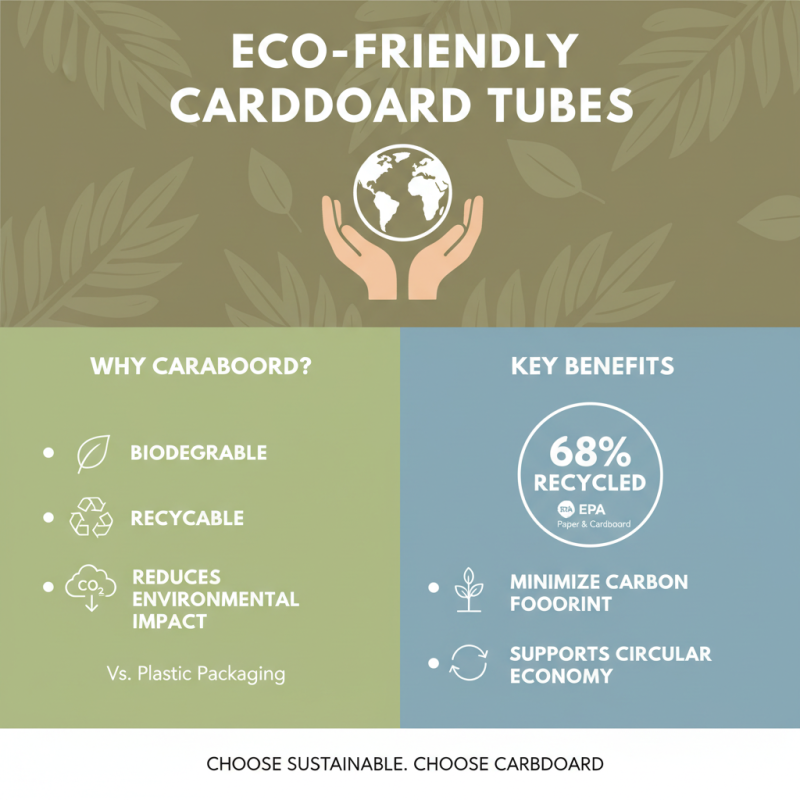
The increasing demand for sustainable packaging solutions has brought attention to the eco-friendly attributes of cardboard tubes. Unlike traditional plastic packaging, cardboard is biodegradable and recyclable, contributing to a significant reduction in environmental impact. According to the EPA, paper and cardboard recycling rates have reached around 68%, indicating a commitment to waste reduction and resource conservation. By choosing cardboard tubes for shipping, businesses can not only minimize their carbon footprint but also support the circular economy by ensuring materials are reused and recycled.
When considering the suitability of cardboard tubes for shipping, it's essential to factor in their sustainability credentials. For instance, many manufacturers now use recycled content in their production, which lessens the demand for virgin materials. Furthermore, cardboard tubes can be designed to use less material overall, while still providing robust protection for shipped items. The adoption of these packaging solutions aligns with findings from the Paper and Packaging Board, stating that a significant percentage of consumers prefer brands that demonstrate sustainable practices.
**Tips:** To further enhance the environmental benefits, consider integrating printed designs on your cardboard tubes that communicate their recyclable nature. This not only promotes your brand’s sustainability efforts but also encourages customers to dispose of the packaging responsibly. Additionally, ensure that your shipping processes prioritize minimal waste, such as using the smallest size tube necessary for your product to reduce excess material use. By prioritizing sustainability throughout the shipping process, businesses can foster loyalty and trust among eco-conscious consumers.
Best Practices for Using Cardboard Tubes in Shipping
When utilizing cardboard tubes for shipping, adhering to best practices is essential to ensure the safety and integrity of the contents during transit. First and foremost, choose tubes that are robust enough to withstand external pressures and potential impacts. Thick-walled tubes are generally preferred, as they provide greater durability. Additionally, selecting the correct diameter is crucial; it should snugly fit the contents to minimize movement. If there is any excess space, consider using cushioning materials like bubble wrap or packing peanuts to safeguard the items inside.
Furthermore, sealing the ends of the tubes securely is a critical step to prevent your items from falling out or being damaged. Strong tape or adhesive products should be used to create a tight seal, securing the content against external elements. Labeling the tubes clearly, indicating handling instructions or contents, aids in proper handling during shipping. It's also advisable to consider the tube's weight when packaged, as heavier tubes can incur additional shipping costs. By following these best practices, you can enhance the protection of your items and ensure a smoother shipping experience.