

Choosing the right Bulk Snack Bags is rarely a simple purchasing decision. Global buyers must balance product protection, shelf appeal, shipping cost, filling speed, and environmental expectations. A roasted nut bag may need strong oxygen and moisture barriers. A granola pouch may need a resealable zipper and a wider opening.
Dr. Susan Selke, a recognized packaging science expert, has stated, “Packaging must protect the product while using resources responsibly.” This principle remains practical for snack manufacturers and distributors. The best bag is not always the cheapest option. It is the format that protects texture, flavor, and freshness throughout the supply chain.
This guide explores ten common types of Bulk Snack Bags for international buyers. It covers stand-up pouches, flat bags, gusseted sacks, kraft paper bags, foil-lined structures, clear film bags, zipper pouches, and more. Each format offers different advantages. Some improve product visibility. Others provide stronger barrier performance or easier pallet handling.
Material selection also deserves careful attention. A glossy laminated bag may protect sensitive snacks better than plain paper. However, it can complicate recycling in certain systems. Compostable structures may sound attractive, but their performance depends on moisture, heat, and storage conditions. The answer is not always obvious.
Buyers should request specifications, test samples, and realistic shelf-life data. They should also confirm printing quality, seal strength, minimum order quantities, and delivery consistency. Small details matter. A weak seal can ruin a full shipment.
There is no universal winner. The right choice depends on the snack, market, machinery, and customer expectations. That is where careful comparison becomes valuable.
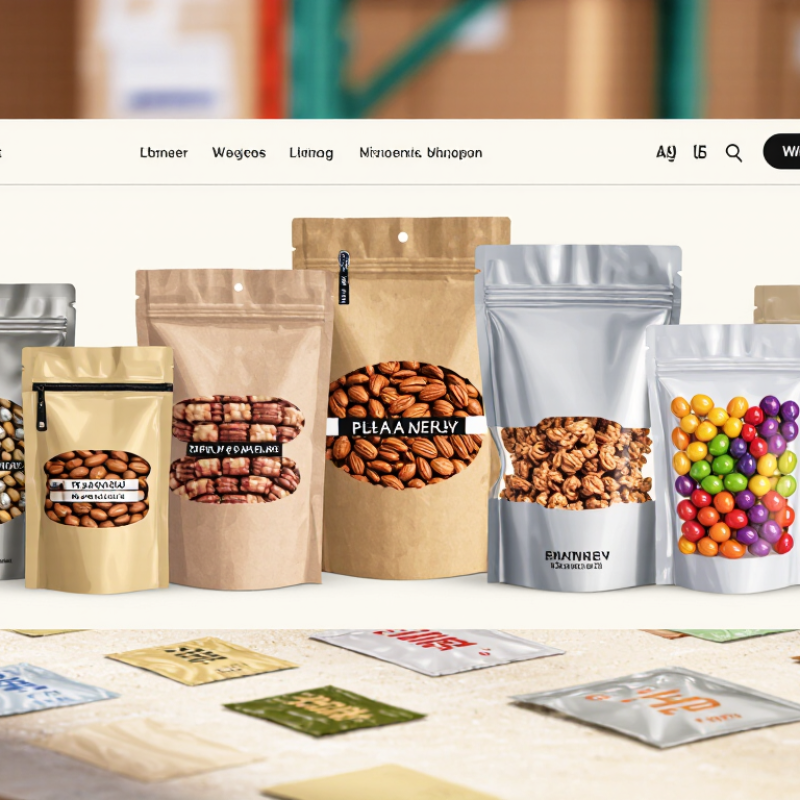
Bulk snack bags are flexible packaging units purchased in large quantities by food producers, distributors, and retailers. They hold products such as nuts, dried fruit, chips, and baked snacks. Common formats include stand-up pouches, flat bags, gusseted bags, and resealable zipper bags. Each format supports different packing lines and storage needs.
Global buyers choose bulk snack bags to control packaging costs and maintain steady supply. Larger orders can reduce unit pricing, freight frequency, and warehouse interruptions. Reliable bags also protect snacks from moisture, light, oxygen, and rough handling. These details matter during long ocean shipments and changing climates. In my packaging experience, a bag that looks strong may still fail at the seal. That mistake is expensive. Buyers should review film structure, seal strength, barrier performance, dimensions, and food-contact documentation. Regional recycling rules may also affect material selection.
Tips: Request samples before approving a large order. Fill them with the actual snack, then test sealing, stacking, and opening. Check whether the zipper remains usable after repeated handling. Ask for clear specifications and production records. Do not judge quality from appearance alone. A cheaper bag can create higher losses through leaks, crushed corners, or stale contents. Testing should reflect real warehouse temperatures and transport conditions. Some assumptions will be wrong; revise them early.
Bulk snack bags are best compared by material, shape, and function—not appearance alone.
Material choices include clear or printed plastic film, kraft paper, foil laminate, and compostable structures. Each behaves differently: foil laminate can help limit light and moisture exposure, while paper offers a natural look but may need a barrier lining.
No material suits every snack. Oily nuts, crisp crackers, and dried fruit have different protection needs.
Common shapes include flat pouches, stand-up pouches, side-gusset bags, pillow bags, block-bottom bags, and rollstock formed into bags. Closures and features create more types: zipper pouches, tear-notch bags, window bags, and resealable formats.
A stand-up pouch displays well on a shelf; a flat pouch can use less storage space.
Small details matter. Check seal strength, fill volume, and how the bag handles during packing, shipping, and opening.
Tips:
Match the barrier to the snack’s sensitivity, then test a filled sample under real storage conditions. Ask suppliers for material specifications and confirm whether the package suits your filling equipment. A clear window can show product quality, but it also exposes snacks to light. There is no perfect choice, and I would not assume a thicker bag is automatically better; testing often changes that first impression.
Bulk snack bags must protect dry products while staying practical for filling, storage, and transport. The most useful formats include stand-up pouches, flat pouches, pillow bags, side-gusset bags, and quad-seal bags. Rollstock film, vacuum bags, zipper pouches, paper-laminated bags, and windowed bags complete the top ten options.
Stand-up pouches suit granola, dried fruit, crackers, and roasted seeds. Their bottom gusset helps products remain upright on shelves. Flat pouches save space during shipping and work well for single-use portions. Pillow bags offer efficient packing for lightweight snacks. Side-gusset and quad-seal designs provide extra volume for bulk orders. However, more folds can increase material use and sealing demands.
Flexible films should match the product’s moisture, oxygen, and light sensitivity. A dry biscuit may need strong seals, while dried fruit often needs better moisture resistance. Zipper closures support repeated use, but they can raise costs and complicate recycling. Paper-laminated structures create a natural appearance, although they may not perform equally in humid warehouses. Windowed bags improve visibility, yet the clear section can weaken barrier protection.
In bulk purchasing, I check seal strength, film thickness, filling speed, and pallet efficiency. Small sampling tests matter. A bag that looks suitable may crease during transport or leak at the corners. I would not rely on appearance alone. Supplier documentation, food-contact compliance, and batch consistency also deserve careful review. Sometimes the simplest pouch performs best.
| Rank | Bag Type | Typical Film Structure | Barrier Profile | Common Closure | Typical Fill Range | Suitable Dry Products | Global Buying Considerations |
|---|---|---|---|---|---|---|---|
| 1 | Stand-Up Pouch | PET/PE, PET/metallized PET/PE, or PE-based laminate | Medium to very high, depending on the inner barrier layer | Heat seal, zipper, or tear notch | 100 g–2 kg | Nuts, granola, dried fruit, trail mix, crackers, and cereal snacks | Good shelf presentation and convenient resealing; confirm zipper performance after transport and filling. |
| 2 | Pillow Bag | BOPP/PE, PET/PE, or metallized film laminate | Low to very high; metallized versions provide stronger light and oxygen protection | Three-side or center heat seal | 50 g–1 kg | Chips, pretzels, popcorn, biscuits, and lightweight snack mixes | Efficient for high-speed packing and shipping; requires suitable sealing equipment and drop testing. |
| 3 | Gusseted Bag | PET/PE, BOPP/PE, or multilayer high-barrier laminate | Medium to high, based on film selection | Top heat seal, zipper, or tin tie | 250 g–5 kg | Large quantities of nuts, seeds, cereal, pet treats, and baking snacks | Side or bottom gussets increase usable volume and improve pallet efficiency. |
| 4 | Quad-Seal Bag | PET/PE, metallized PET/PE, or PE-based laminate | Medium to very high | Top heat seal, zipper, or resealable profile | 500 g–5 kg | Bulk nuts, dried fruit, granola, popcorn, and mixed snacks | Four sealed corners provide a stable shelf display and strong cube utilization. |
| 5 | Flat-Bottom Bag | Multilayer PET/PE or high-barrier PE-based laminate | High to very high | Zipper plus heat seal or top heat seal | 500 g–2.5 kg | Premium nuts, granola, dried fruit, snack clusters, and cereal | Rigid base and broad front panel support upright merchandising and efficient filling. |
| 6 | Metallized Barrier Bag | Metallized BOPP or metallized PET laminated to PE | Very high protection from light and improved oxygen and moisture resistance | Heat seal, zipper, or tear notch | 100 g–5 kg | Roasted nuts, oily snacks, chips, coffee-flavored snacks, and dried fruit | Useful for oxidation-sensitive products; barrier performance should be verified by oxygen and moisture transmission tests. |
| 7 | Mono-PE Recyclable-Design Pouch | PE-based film structure with optional EVOH or compatible barrier layer | Low to high, depending on the barrier design | Zipper, tear notch, or heat seal | 100 g–2 kg | Dry snacks, cereal, nuts, seeds, and lower-to-moderate oxygen-sensitive products | Designed for polyethylene recycling streams where available; recyclability depends on local facilities and applicable specifications. |
| 8 | Kraft Paper Laminated Bag | Kraft paper laminated to PE, metallized film, or another barrier layer | Low to high, depending on the laminate | Heat seal, zipper, tin tie, or folded closure | 250 g–2 kg | Granola, cereal, nuts, seeds, biscuits, and bakery-style dry snacks | Provides a natural paper appearance; paper-plastic laminates generally require specialized recycling or waste handling. |
| 9 | Vacuum Bag | PA/PE or multilayer coextruded barrier film | High oxygen and moisture resistance | Heat seal after air removal | 250 g–5 kg | Roasted nuts, seeds, dried fruit, snack ingredients, and products needing extended freshness | Reduces air volume and can limit oxidation; product shape and sharp edges must be tested to prevent punctures. |
| 10 | Multiwall Flexible Bulk Bag | Paper or woven PP outer layer with PE liner or laminated inner layer | Low to medium; optional liner improves moisture protection | Sewn top, heat-sealed liner, drawstring, or valve closure | 5–25 kg | Food-service snack mixes, cereal ingredients, pretzels, nuts, and bulk bakery snacks | Suitable for warehouse and food-service volumes; specify liner thickness, seam strength, pallet pattern, and handling requirements. |
Resealable, Stand-Up, and Specialty Snack Bag Designs
Bulk snack bags need to protect product quality and work smoothly during filling, shipping, and everyday use. Resealable pouches suit snacks that are opened over several sittings. A zipper should close evenly without trapping crumbs, and the seal area needs enough width for reliable handling. Test samples with the actual snack: oily seasoning or fine crumbs can affect closure performance.
Stand-up pouches use a bottom gusset to remain upright on shelves and display tables. This shape gives products clear visibility, but it may use more material than a flat pouch. Check the filled bag’s stability, especially with lightweight snacks that shift during transport. Small details matter. A poorly balanced pouch can tip.
Specialty designs include windowed bags, flat-bottom formats, and pouches with tear notches. A clear window helps buyers inspect color and piece size, though excess light may be unsuitable for some products. Flat-bottom bags can offer a broad display face, while tear notches make opening easier without scissors. There is no perfect format. Compare barrier needs, filling equipment, shipping volume, and customer habits before ordering in bulk, then verify performance with a production sample.
Typical commercial fill-weight benchmarks for resealable, stand-up, and specialty snack bag formats
Stand-up, flat-bottom, quad-seal, and gusseted bags are commonly selected for larger bulk snack packs, while sachets and pillow bags are generally used for smaller portions. Actual capacity varies by snack density, product dimensions, filling equipment, and regional retail requirements.
Global buyers often compare ten bulk snack bag types: stand-up pouches, flat pouches, pillow bags, gusseted bags, zipper bags, paper-laminate bags, metallized bags, mono-material bags, compostable bags, and vacuum bags. Each option serves a different product and shipping condition. A buyer should inspect seal strength, film thickness, barrier performance, print accuracy, and resistance to oil or moisture. A small test with real snacks can reveal problems that a specification sheet misses.
Compliance requires more than a food-contact declaration. Buyers should request migration reports, material statements, factory quality records, and traceability documents. Requirements may differ by destination market, product category, recycling system, and labeling language. Packaging claims need evidence. “Eco-friendly” is often too vague. It can also create review problems. Supplier audits, production samples, and batch inspections improve reliability, especially for high-volume orders.
Cost comparisons should include tooling, printing plates, freight, testing, waste, and rejected bags. A cheaper unit price once misled our team. The weak zipper caused filling delays and extra labor. Supply capacity matters too. Ask about minimum order quantities, lead times, backup production lines, and resin availability. Standard structures may ship faster, while custom barriers can require longer development. Dual sourcing reduces disruption, but approval testing must be repeated when materials change. A practical scorecard can rank quality, compliance, total cost, and supply stability instead of rewarding the lowest quotation.
© 2025 Cardboard Tubes | Registered in England and Wales.
Company Number 2402078

