Top 10 Bulk Cardboard Suppliers for Global Buyers
Global sourcing of bulk cardboard is not simply a search for the lowest price. Buyers must compare board grades, sheet sizes, recycled content, minimum order quantities, and delivery consistency. A sample may look sturdy under warehouse lights, yet arrive warped after a damp journey. Details matter.
Ellen MacArthur, founder of the Ellen MacArthur Foundation and a leading circular-economy advocate, has helped bring material reuse into mainstream business discussions. The Foundation describes a circular economy as one that keeps “products and materials in use.” That principle matters when evaluating bulk cardboard suppliers: ask how they document material specifications, manage quality between batches, and support recycling after use. Clear answers are useful. Vague promises are not.
This Top 10 guide is designed to help global buyers compare suppliers with practical criteria, not polished claims alone. It considers product range, customization, production capacity, export experience, communication, and evidence behind sustainability statements. A neat spreadsheet cannot reveal every weakness. Samples, written specifications, and direct questions still matter. Buyers should confirm current prices, lead times, and shipping terms with each supplier, because these can change by order and destination. No ranking can replace that work. The comparisons ahead offer a starting point for finding a dependable partner, while recognizing that the right choice depends on your packaging needs, budget, and tolerance for risk.
What Bulk Cardboard Suppliers Provide to Global Buyers
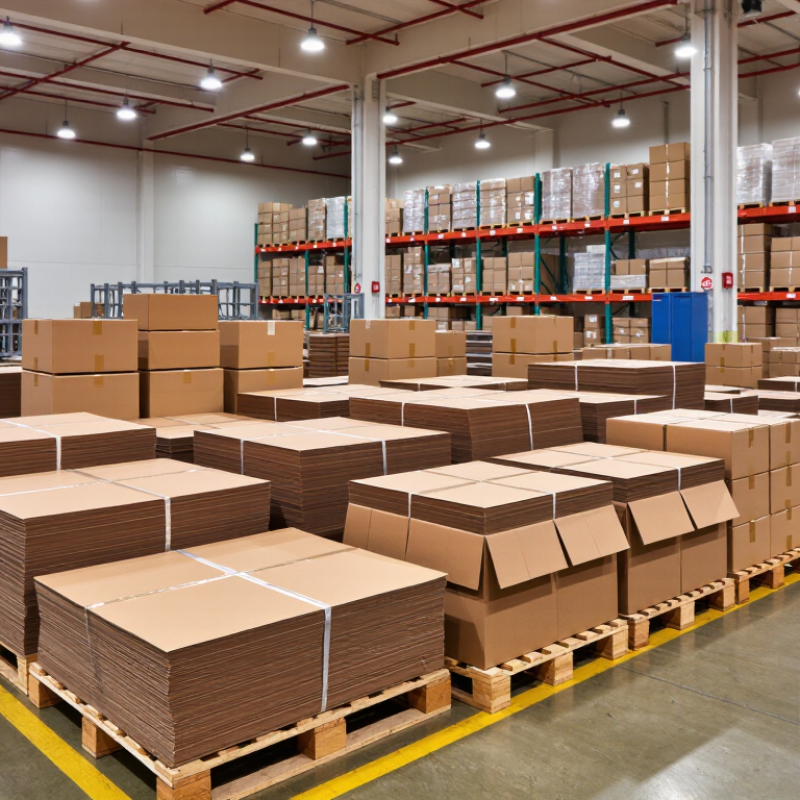
Bulk cardboard suppliers provide the materials and logistics that keep international packing lines moving. Buyers can source corrugated sheets, box blanks, partition inserts, and heavy-duty cartons in pallet quantities. Suppliers often adjust board grade, flute profile, sheet dimensions, and print finish to match product weight and packing equipment. Small details matter: a few millimeters can affect box assembly and pallet stability.
Reliable suppliers also support planning. They share sample specifications, production lead times, pallet counts, and shipping documents before orders leave the factory. Some offer moisture-resistant wrapping for container shipments, though this does not replace careful storage or packaging tests.
The European Paper Recycling Council’s 2023 Monitoring Report recorded a 79.3% paper recycling rate in Europe for 2022. That figure highlights why buyers may ask about recycled fibre content and material traceability. Ask for the exact grade and supporting documentation, not just a broad sustainability claim.
For global orders, consistent quality across batches is essential. Buyers can request compression or edge-crush test results and check whether samples match production stock. Compare delivered cost, including freight, handling, and possible damage allowances.
Cheap can disappoint. I would also confirm how suppliers handle shortages or delayed sailings; this is often overlooked, and a written answer can still be vague. Bulk purchasing saves handling time, but oversized orders may tie up cash and warehouse space.
How to Evaluate Suppliers for Quality, Capacity, and Compliance
A reliable bulk cardboard supplier should prove more than a low quoted price. Request samples from a regular production run, not specially prepared sheets. Check flute consistency, edge crush strength, dimensions, and moisture after the cartons have traveled through realistic storage conditions. A box can look sturdy and still soften in a humid warehouse. Ask how test results are recorded and how defects are handled. One inspection cannot predict every shipment.
Tips: Compare samples using the same load and stacking height. Ask for recent quality records, production capacity by month, and written notice periods for delays. Check that certificates are current and relevant to your packaging and destination requirements. Verify documents with the issuing organization when possible.
Capacity needs evidence, too. Review typical lead times, peak-season allocation, backup equipment, and plans for material shortages. A supplier may promise a large volume but rely on one production line; ask what happens if it stops. For compliance, request traceability details for recycled content and fiber sources, plus clear documentation for product specifications. Requirements vary by market, so confirm them with qualified local advisers rather than assuming one certificate covers every destination. I would also record unanswered questions. They can expose gaps, though they do not prove misconduct.
Profiles of Ten Major Bulk Cardboard Suppliers
For global buyers, bulk cardboard suppliers often differ more in production model than in headline price. Large integrated mills make board from pulp and recycled fibre, offering steady volumes and broad grade choices. Recycled-board producers may provide competitive pricing, though colour and stiffness can vary between batches. Corrugated sheet converters turn flat board into sheets or boxes near the buyer’s market. Heavy-duty specialists focus on thicker flutes and reinforced construction for dense loads.
Custom die-cut plants handle unusual shapes, but tooling can add time and cost. Export consolidators combine orders from several factories and coordinate shipping. Wholesale distributors keep common sizes closer to local buyers, often with shorter replenishment times. Food-contact packaging suppliers can provide relevant material documentation; buyers should check the exact grade rather than assume every product qualifies. Digital-first bulk sellers streamline quotations and reorders. Specialty coated-board makers offer moisture-resistant surfaces, though coatings may affect recycling options. Samples matter.
A practical comparison starts with board grade, sheet dimensions, burst or edge-crush results, moisture limits, pallet count, and delivery window. Ask whether quoted tolerances apply to every batch. Request recent test records and inspect samples under ordinary warehouse lighting. A glossy sample can hide uneven edges. Not every supplier publishes comparable data, which makes a perfect ranking difficult. A small trial order can reveal handling problems before a larger shipment is booked.
Comparing Pricing, Product Range, and Minimum Order Requirements
Top 10 Bulk Cardboard Suppliers for Global Buyers
Comparing bulk cardboard suppliers takes more than checking the price per sheet. A useful quote should specify board grade, sheet dimensions, flute type, and order quantity. Prices can change with recycled-fiber content, custom cutting, printing, and freight. Compare the landed cost, not just the factory price. A low quote can still be the wrong deal.
Product range matters when shipments require different box sizes or board strengths. Ask whether standard sizes are available and how custom orders affect lead times. Minimum order requirements vary; some suppliers accept trial quantities, while others require full pallets or larger production runs. Request a written quote and confirm packaging, delivery estimates, and payment terms. Small details matter.
Tips: Request samples and inspect the edges, thickness, and strength. Confirm whether the minimum applies per size or per shipment. Keep all specifications in writing.
Pricing comparisons are imperfect when suppliers quote different grades or delivery terms. One missed detail can distort the comparison. It is worth revisiting the numbers before placing a large order. A clear specification helps buyers assess suppliers more reliably and reduces surprises when the cartons arrive.