Top Airless Packaging Manufacturers for Global Buyers
Global buyers are paying closer attention to Airless Packaging as beauty, skincare, pharmaceutical, and personal care brands seek safer dispensing systems. The packaging protects formulas from repeated air exposure. It can also reduce product residue inside bottles, tubes, and jars.
Market evidence supports this shift. Grand View Research identifies airless packaging as a growing segment within advanced packaging, supported by premium cosmetics and pharmaceutical applications. Smithers’ packaging forecasts also highlight rising demand for functional, lightweight, and more sustainable formats. Meanwhile, Euromonitor International reports continuing consumer interest in convenient beauty products with credible environmental benefits. These reports show opportunity, but they do not make every supplier equally reliable.
Choosing among the top airless packaging manufacturers requires practical verification. Buyers should examine pump performance, closure consistency, material options, filling-line compatibility, and documented quality controls. A laboratory sample may work perfectly, while a high-speed production run exposes leakage or dosing problems. That detail matters. Certification records, factory audits, export experience, and transparent lead times deserve equal attention. Some suppliers promote recyclable structures, yet the full package may still contain mixed materials that complicate recovery. This is where careful questioning becomes essential. No manufacturer is perfect. A dependable partner should explain limitations, not hide them. This guide compares leading manufacturers through product capability, technical support, customization, sustainability evidence, and global delivery experience. It is designed to help buyers move beyond attractive catalogs and select packaging that performs consistently on real shelves, in real factories, and during international transport.
What Airless Packaging Is and Why Global Buyers Use It
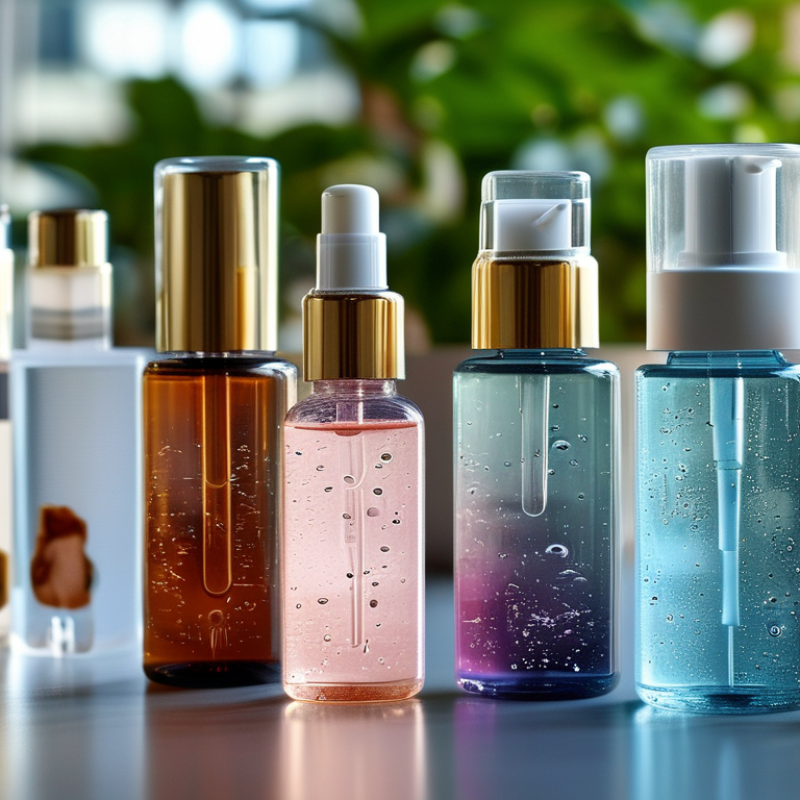
Airless packaging uses a pump, piston, or flexible inner bag to dispense products without drawing outside air inside. The container pushes formulas upward as users press the actuator. This design can reduce oxidation, contamination, and product residue around the pump. It also supports controlled dosing, which matters for concentrated skincare, personal-care products, and sensitive formulations.
Why does this matter to global buyers? Grand View Research estimates the global airless packaging market will expand steadily through 2030, supported by demand for premium and preservation-focused formats. Smithers’ sustainability research also identifies lightweighting, material reduction, and improved recyclability as major packaging priorities. Airless systems can help reduce leftover product, but they are not automatically sustainable. Mixed materials, metal springs, and difficult-to-separate components may complicate recycling. That detail is easy to overlook.
Performance must be tested. A reliable supplier should provide dosage consistency, leak testing, compatibility studies, and transport simulation. Buyers should examine whether the pump performs after temperature changes, long storage, and repeated use. It should still feel controlled.
The packaging protects the formula.
However, real-world results vary. Viscosity, filling accuracy, closure design, and user habits all influence performance. Buyers should request technical data, pilot samples, and documented quality procedures before approving large international orders. Supplier transparency is not a luxury.
Key Types of Airless Packaging for Different Product Categories
Airless packaging must match the product, not simply the visual design. For facial serums, lotions, and light emulsions, piston airless bottles provide controlled dosing and reduce product exposure to air. They work well with low to medium viscosities. However, very thick formulas may move slowly or leave residue near the pump.
Bag-in-bottle systems suit oxygen-sensitive creams, botanical formulas, and products containing fragile active ingredients. The inner bag collapses as the product dispenses, limiting air contact. This structure can also improve product recovery. Buyers should check bag material compatibility, because some oils and solvents can weaken plastic layers over time.
For two-part skincare formulas, dual-chamber airless packs keep ingredients separated until dispensing. They require accurate dosing and reliable internal seals. Airless tubes are practical for hand creams, eye products, and travel sizes, while airless jars offer wide openings for dense balms and masks. Yet jars may expose the formula during repeated use, even with an airless mechanism. No format is perfect.
From my packaging evaluations, viscosity, fill temperature, and particle size often affect performance more than appearance. A suitable manufacturer should provide pump-cycle tests, leakage checks, compatibility data, and samples filled with the real formula. Buyers should also test the package after transport, storage, and repeated opening. One overlooked issue is user technique. If the actuator is pressed too quickly, some formulas dispense unevenly. Better testing reveals these ordinary problems before global production.
Leading Airless Packaging Manufacturers and Their Strengths
Leading airless packaging manufacturers combine precise engineering, reliable production, and practical support for global buyers. Their systems use a piston or flexible inner pouch to reduce air exposure during dispensing. This helps protect creams, serums, and other sensitive formulas from oxidation. Good manufacturers also offer compatible pumps, closures, bottles, and refill options.
Material expertise matters. Experienced suppliers test plastics, elastomers, springs, and coatings against the intended formula. They check leakage, dosage accuracy, vacuum performance, and repeated dispensing cycles. A strong factory should provide technical documents, batch records, and samples from normal production lines. Laboratory testing is useful, but real warehouse conditions matter too. Heat, cold, transport vibration, and long storage can reveal weaknesses.
Quality systems vary.
Global buyers should examine production capacity, inspection procedures, and communication speed before placing large orders. Manufacturers with in-house tooling can adjust neck sizes, actuator shapes, and decoration details more efficiently. However, customization may increase mold costs and lead times. Sustainability claims also need careful review. Lower material use is valuable, yet difficult-to-recycle parts may reduce the overall benefit. No manufacturer gets every detail right. I have seen attractive samples fail after repeated shipping tests, so independent validation remains wise. Clear specifications, signed samples, and documented corrective actions create a more dependable purchasing process.
Global Sourcing, Quality Checks, and Compliance Considerations
Top Airless Packaging Manufacturers for Global Buyers
Global sourcing of airless packaging requires more than comparing unit prices. The supplier should show production records, material specifications, and traceable batch numbers. Request samples from at least three lots. Check pump recovery, dosage consistency, leakage, and piston movement after transport. A 50°C stability test can reveal warping or seal failure. It is not perfect, but it exposes weak assumptions early.
Quality systems matter. ISO 9001 certification supports process control, while ISO 22716 is relevant to cosmetic packaging operations. For EU-bound products, confirm documentation supporting Regulation (EC) No 1223/2009. For the United States, review supplier records against MoCRA-related responsibilities. Ask for declarations on restricted substances, migration testing, and packaging composition. Testing should match the formula, not merely the container. That mistake remains common.
Sustainability claims also need evidence. The Ellen MacArthur Foundation’s 2023 Global Commitment report noted that participating organizations represented about 20% of the global plastic packaging market. Buyers should request PCR content verification, recyclability guidance, and component-separation instructions. UNEP’s 2023 report, Turning off the Tap, found that plastic pollution could be reduced by 80% by 2040 through systemic changes. Airless designs may reduce product waste, yet mixed materials can complicate recycling. Suppliers should disclose this trade-off plainly. A glossy sustainability statement is not enough.