What is the Purpose of Kraft Tubes and Their Popular Uses
Kraft tubes have emerged as a versatile packaging solution, serving various industries with their robust design and eco-friendly properties. According to a report by Smithers Pira, the global demand for paper and cardboard packaging, including kraft tubes, is projected to reach over $500 billion by 2024, reflecting a significant shift towards sustainable materials in packaging. The appeal of kraft tubes lies not only in their strength and durability but also in their biodegradable nature, making them a popular choice among environmentally conscious consumers and businesses alike.
The versatility of kraft tubes has led to their widespread adoption in sectors ranging from cosmetics and food to industrial applications. As reported by MarketsandMarkets, the paper tube market is expected to expand at a CAGR of 5.3% from 2020 to 2025, driven by the increasing preference for paper-based packaging as opposed to plastic alternatives. Kraft tubes are particularly favored for their ability to be customized in size and design, catering to the specific needs of various product categories. This adaptability, combined with the rising trend of sustainability, solidifies kraft tubes as a key player in the future of packaging solutions.

What Are Kraft Tubes and Their Composition
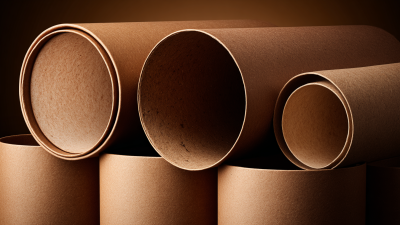
Kraft tubes are cylindrical containers made primarily from Kraft paper, a durable and flexible material known for its strength and versatility. The composition of Kraft paper mainly consists of wood pulp processed through the Kraft process, which helps retain the paper's natural fibers while providing it with its characteristic brown color and sturdiness. This process not only makes the paper robust and tear-resistant but also ensures that it is environmentally friendly, as it is derived from renewable resources and can be recycled.
These tubes are widely used in various applications, ranging from packaging and shipping to crafting and industrial uses. In packaging, Kraft tubes serve as effective solutions for protecting products during transit, especially in cases where lightweight and sturdy containment is required. Their strength makes them ideal for storing items such as rolled-up posters, textiles, and even food products, ensuring that contents remain intact and unharmed. Furthermore, the versatility of Kraft tubes extends into the realms of arts and crafts, where they can be repurposed for DIY projects, offering an eco-friendly option for creative endeavors.
What is the Purpose of Kraft Tubes and Their Popular Uses
| Use Case |
Description |
Material Composition |
Diameter (inches) |
Height (inches) |
| Packaging |
Used for packaging various products such as food items, crafts, and construction materials. |
Recycled paperboard with a Kraft paper finish. |
2 |
12 |
| Arts and Crafts |
Commonly used in crafting for making models, DIY projects, and more. |
100% recycled paper materials. |
1.5 |
8 |
| Storage |
Utilized for organizing and storing small items, such as craft supplies and tools. |
Corrugated paper and Kraft paper mixture. |
3 |
10 |
| Product Display |
Used in retail for showcasing products in an attractive manner. |
Strong, durable Kraft paper. |
2.5 |
15 |
The Manufacturing Process of Kraft Tubes
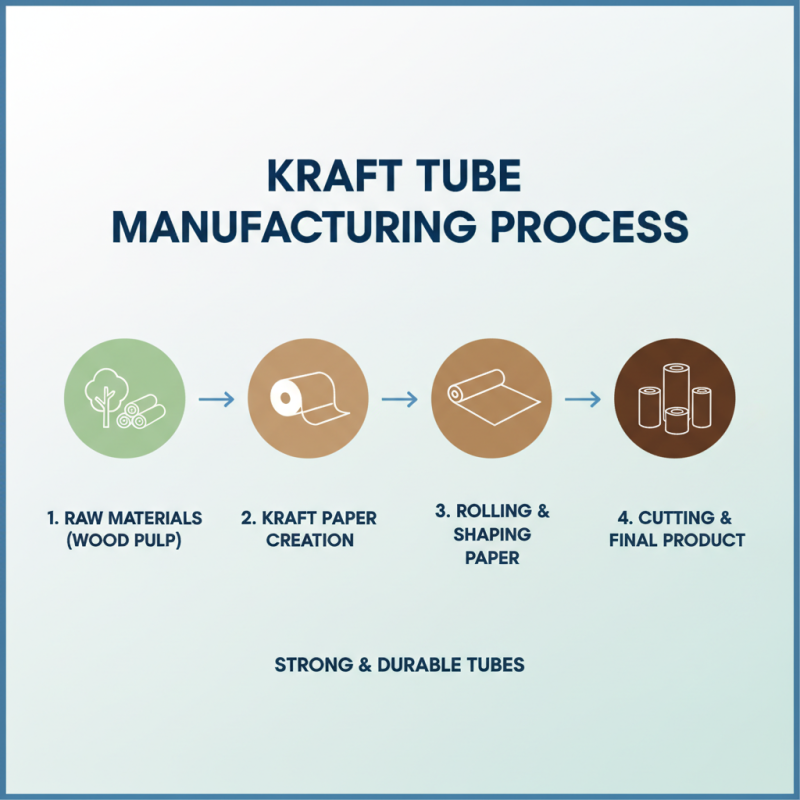
The manufacturing process of kraft tubes involves multiple stages that ensure the final product meets quality and durability standards. Initially, raw materials, primarily made from wood pulp, are processed to create kraft paper. This paper is known for its strength and versatility. Once the paper is prepared, it is rolled into large sheets that will later be cut and shaped into tubes.
Following the preparation of kraft paper, the next step is cutting the sheets into precise dimensions, depending on the desired size of the tubes. The cut sheets are then wrapped around a cylindrical mandrel or core. Adhesives are applied at the overlapping edges to secure the tube's structure. Once the tube is formed, it is effectively cured, ensuring the bonds are strong and the tube retains its shape. Finally, the tubes are cut to specified lengths, and quality control measures are undertaken to ensure that they meet industry standards. This method of construction makes kraft tubes not only durable but also eco-friendly, as the materials used are biodegradable and recyclable.
Popular Uses of Kraft Tubes in Packaging
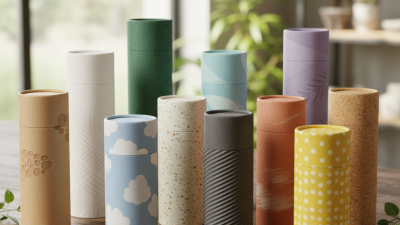
Kraft tubes are versatile packaging solutions widely utilized across various industries due to their strength and eco-friendliness. One of the most popular uses of Kraft tubes is in the cosmetic and personal care sector. Many beauty products, such as lip balms and lotions, are packaged in these tubes because they provide a robust barrier against moisture and contaminants, ensuring product integrity. Their lightweight nature also makes them an economical choice for both manufacturers and consumers, enhancing the overall user experience.
In the food industry, Kraft tubes are increasingly favored for packaging items like snacks and herbs. Their robust structure protects the contents from physical damage and preserves freshness, which is crucial for maintaining taste and quality. Additionally, Kraft tubes are often designed for easy opening and resealing, allowing consumers to enjoy products at their convenience. By utilizing recyclable materials, these tubes also appeal to the growing demand for sustainable packaging solutions, positioning them as an ideal choice for environmentally conscious brands looking to minimize their ecological footprint.
Advantages of Using Kraft Tubes Over Other Materials
Kraft tubes are increasingly favored in various industries due to their numerous advantages over other packaging materials. One significant benefit is their
eco-friendliness; made from sustainable kraft paper, these tubes are
biodegradable and recyclable, which appeals to environmentally-conscious
consumers and companies alike. The production of kraft paper also produces fewer pollutants compared to conventional plastics, making kraft tubes a
greener alternative for packaging solutions.
Moreover, kraft tubes offer exceptional durability and structural integrity. They are designed to withstand pressure
and protect the contents inside from damage. This makes them ideal for packaging a wide range of products, from food items to fragile goods. Their
lightweight nature also contributes to cost savings in shipping and handling, as they reduce the
overall weight of the packaged products.
Additionally, kraft tubes can be printed on easily, allowing for customizable branding without compromising sustainability. This combination of
strength, versatility, and ecological
benefits positions kraft tubes as a superior choice for businesses looking to enhance their packaging strategy while being mindful of environmental impacts.
Eco-Friendly Considerations of Kraft Tube Production
Kraft tubes, made primarily from recycled paper, are gaining significant recognition for their eco-friendly production processes and sustainability. In a world where environmental concerns are paramount, the production of Kraft tubes reflects a shift towards greener alternatives in packaging and storage solutions. According to a report from the Paper and Paperboard Packaging Environmental Council (PPEC), over 70% of paper products are now produced from recycled materials, leading to a reduction in overall waste and energy consumption during manufacturing. This not only conserves natural resources but also minimizes the carbon footprint associated with traditional packaging methods.
Moreover, Kraft tubes are biodegradable and recyclable, providing an attractive alternative to plastic packaging. The United Nations has reported that around 300 million tons of plastic are produced globally each year, and only a small fraction is recycled. By choosing Kraft tubes, companies can contribute to the reduction of plastic waste. For those considering an eco-friendly pivot in their packaging choices, remember that opting for Kraft tubes not only supports sustainability but also appeals to environmentally-conscious consumers, thereby enhancing brand loyalty.
Tips: When seeking eco-friendly packaging, look for suppliers who prioritize sustainable sourcing and production practices. Additionally, consider the end-of-life options for your packaging. Using materials that are either recyclable or biodegradable ensures that your products leave a minimal environmental footprint. By consolidating your packaging materials and optimizing designs, you can further reduce waste and promote sustainability in your business operations.