What is postal packaging and how to choose the right type?
Postal packaging plays a crucial role in shipping and logistics. It refers to the materials used to protect items during transit. Choosing the right type of postal packaging can significantly impact delivery success and customer satisfaction.
Selecting the right packaging is not always straightforward. Factors to consider include the item's size, weight, and fragility. For example, a fragile glass item requires sturdy, well-cushioned packaging. Failure to use appropriate postal packaging may lead to damages. The cost of materials is another concern; cheap options may seem appealing but can compromise item safety.
It's essential to establish a balance between cost and reliability. Consider the destination as well. Different regions could have varying postal requirements. Misjudgments in these areas could create issues. Reflecting on these aspects can help refine your approach to postal packaging. Understanding these nuances ultimately leads to a smoother shipping experience.
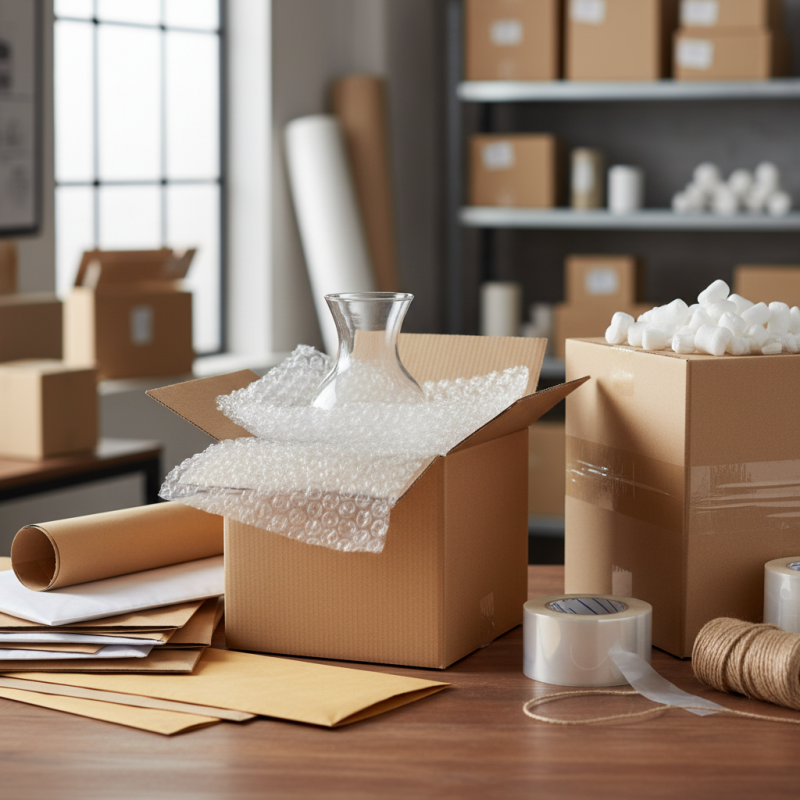
What is Postal Packaging? Understanding the Basics and Importance
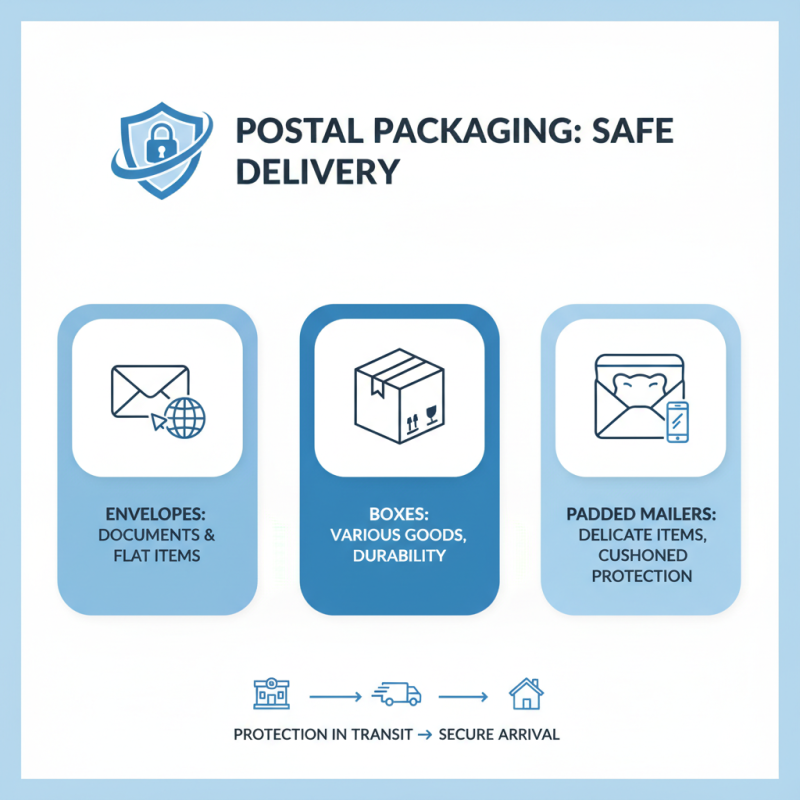
Postal packaging plays a crucial role in the shipping and delivery of goods. It serves to protect items during transit and ensures they reach their destination intact. This type of packaging is designed specifically for the postal service, which includes envelopes, boxes, and padded mailers. Each type of packaging fulfills a unique purpose based on the item being shipped.
Choosing the right postal packaging is essential. Consider the size and weight of your item. A small, fragile item may need a padded envelope, while larger items might require a sturdy box. Remember, using an oversized box can lead to unnecessary shipping costs. Think about the materials as well. Corrugated cardboard offers more support, but plastic mailers can be more cost-effective for lightweight items.
**Tips:** When selecting packaging, always test your items. Drop them from a height to see if they withstand the fall. Be mindful of the weather too. If your item can be affected by moisture, consider waterproof options. Additionally, avoid using too much tape or filler, as this can create excess waste. Packaging is not just about looks; it’s about functionality too. Rethinking your choices can lead to better shipping experiences.
Types of Postal Packaging: Common Materials and Their Uses
When it comes to postal packaging, you have several options. Each type serves a different purpose, depending on what you're sending. Choosing the right material makes a big difference in protection and presentation.
Cardboard boxes are a popular choice for shipping goods. They are sturdy and can handle weight well. However, they may not always fit snugly around smaller items. In this case, padded envelopes can be a smart alternative. They provide cushioning without adding extra bulk. For fragile items, bubble wrap is a must. It prevents damage while keeping your package lightweight.
Tips: Always measure your items before choosing a box. This ensures a better fit and reduces movement inside the package. You should also consider the weight. Lighter materials can save on shipping costs. However, make sure they still offer adequate protection.
Lastly, consider eco-friendly options. Recycled materials are available and can be a responsible choice. Some packages even feature biodegradable properties. This can be a good point for your business or personal values. Making mindful choices in packaging reflects on your commitment to sustainability.
Evaluating the Strength: Choosing Packaging for Different Weights
When it comes to postal packaging, evaluating the strength is crucial. Different items require specific types of packaging to ensure they arrive intact. Lightweight packages might only need simple envelopes. However, heavier items demand stronger, more durable options.
Cardboard boxes or padded mailers often work better for them.
Choosing the right packaging starts with understanding the weight and fragility of your items. A glass vase, for example, needs more protection. Bubble wrap or foam can help absorb shocks. On the other hand, a stack of books is more resilient and can be packed using less protective materials. That said, using insufficient packaging can lead to damaged goods, which is frustrating for both sender and receiver.
Another point to consider is the dimensions of your items. Larger packages can be cumbersome. If they’re not padded correctly, they can shift during transit. This could result in dented edges or crushed corners. It’s a constant balancing act between weight, size, and protection. Adjusting your approach for each shipment may be necessary, creating a learning experience with every package sent.
Cost Efficiency in Postal Packaging: Balancing Quality and Budget
When selecting postal packaging, cost efficiency plays a vital role. Businesses often face the challenge of balancing quality with budget constraints. A sturdy, well-designed package prevents damage and returns. However, opting for cheaper materials may lead to increased losses. This is a critical trade-off.
Consider the type of items being shipped. Fragile products require more protection. Investing in thicker cardboard or bubble wrap can reduce the risk of breakage. On the other hand, lightweight items might not need such robust materials. Here, thinner envelopes or boxes can save money. Always weigh the potential costs against the benefits.
Many companies overlook shipping costs. Using oversized packaging increases postage fees significantly. Finding the right size is essential. Testing different packaging solutions can lead to better results and savings. Reflecting on these decisions can help optimize expenses and improve overall shipping strategies.
Environmental Considerations: Sustainable Options in Postal Packaging
Postal packaging plays a crucial role in shipping goods sustainably. With increasing awareness about environmental impact, companies face pressure to adopt eco-friendly options. Approximately 30% of all packaging waste comes from shipping materials. This number highlights the urgency for change.
One effective approach is the use of biodegradable materials. A report from the Sustainable Packaging Coalition reveals that 72% of consumers prefer products using sustainable packaging. These materials break down naturally, reducing landfill waste. For instance, plant-based plastics can replace conventional plastic. They offer similar durability while being less harmful to the environment.
However, companies must carefully assess their packaging choices. Not all biodegradable options decompose easily in typical landfill conditions. Some still require specific conditions to break down fully. This situation raises questions about the efficacy of "green" labeling. Moreover, the cost of sustainable options can be higher upfront. Businesses need to balance cost with environmental responsibility. Embracing sustainability is a journey, and it often demands reevaluation along the way.