What Are Kraft Tubes and Their Common Uses?
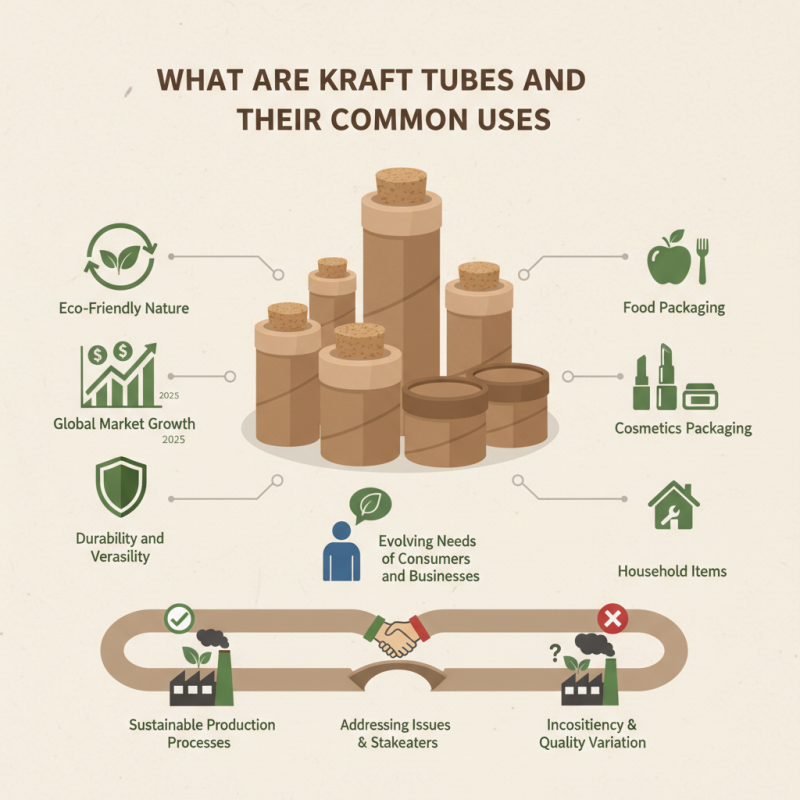
Kraft tubes have become a vital part of various industries. These cardboard cylinders are known for their durability and versatility. Their eco-friendly nature adds to their appeal, particularly in packaging and display solutions. According to a report by Smithers Pira, the global market for kraft tubes is projected to reach $1.5 billion by 2025. This growth is driven by rising demand for sustainable packaging options.
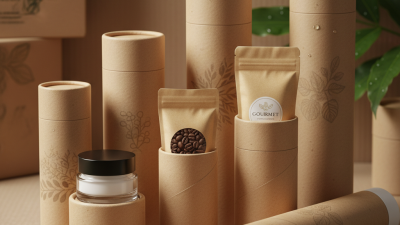
Industry expert Dr. Emily Harrow states, “Kraft tubes offer a unique blend of strength and environmental responsibility.” Her insight highlights the evolving needs of consumers and businesses. Companies use kraft tubes for packaging food, cosmetics, and even household items. As companies shift to greener practices, kraft tubes serve as an effective solution.
However, challenges remain. Not all manufacturers prioritize sustainability in their production processes. This inconsistency can lead to confusion among consumers. Quality varies widely, which can affect the overall effectiveness of kraft tubes. As the industry continues to evolve, it is crucial for stakeholders to address these issues.
Definition and Composition of Kraft Tubes: An Overview
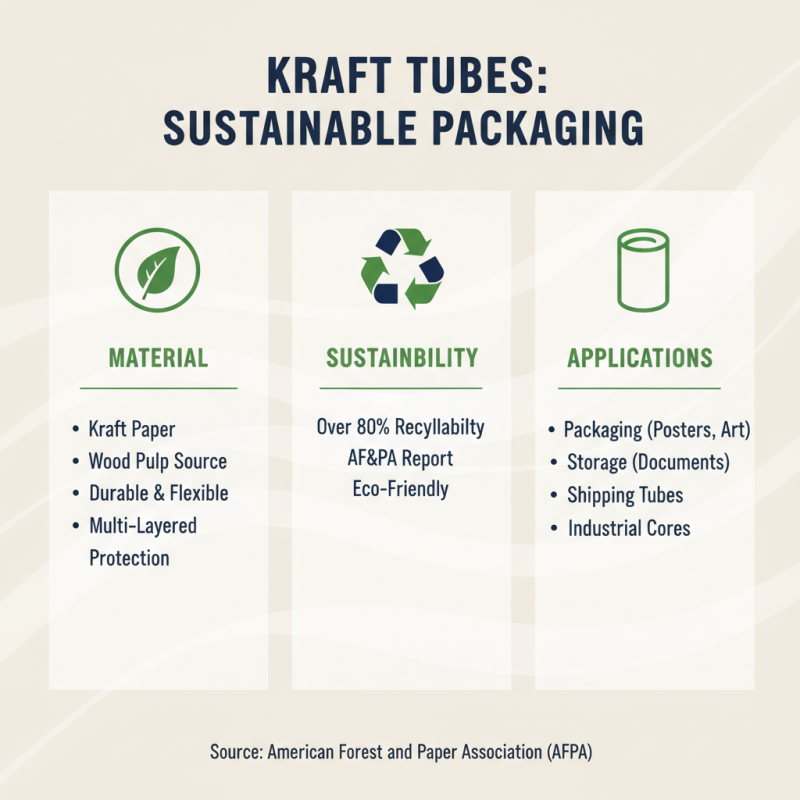
Kraft tubes are cylindrical containers made from kraft paper, a durable material sourced from wood pulp. These tubes possess strength and flexibility, making them ideal for various applications. The composition typically includes several layers of kraft paper, providing enhanced protection for the items within. A report by the American Forest & Paper Association (AF&PA) highlights that kraft paper’s recycling rate is over 80%, emphasizing its sustainability.
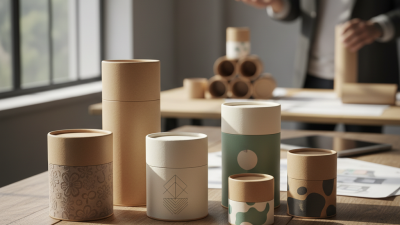
Commonly, kraft tubes are found in packaging for products like cosmetics, food items, and household goods. Their lightweight nature reduces shipping costs. According to a Packaging Industry Analysis report, over 60% of manufacturers prefer kraft tubes due to their eco-friendly properties. However, while kraft tubes are highly functional, some users note that they may not provide complete humidity resistance. This can affect contents sensitive to moisture.
Furthermore, the manufacturing process can sometimes lead to imperfections. Some tubes may have uneven edges or surface inconsistencies. These defects could limit their use in high-end markets. Not all kraft tubes are suitable for every application, and careful selection is necessary. Users should always assess their specific needs to avoid issues related to product integrity or brand image. The versatility of kraft tubes is notable, but it's essential to consider these factors when choosing packaging solutions.
Key Manufacturing Processes for Kraft Tubes in Packaging
Kraft tubes are eco-friendly packaging solutions made from recycled paper. Their production involves several key processes that ensure quality and durability. The manufacturing starts with pulping the raw materials. This step breaks down the paper fibers into a slurry. After pulping, the fibers are screened and cleaned. This removes dirt and debris.
Next, the cleaned pulp is formed into large sheets. These sheets are dried and rolled into large cylinders. The next phase is cutting the rolled sheets into specific dimensions for the final product. These tubes are then coated for added strength and moisture resistance, making them suitable for various applications.
Tips: Choose the right thickness for your kraft tubes. Thicker tubes provide better protection for fragile items. Consider the type of coating needed based on your product's requirements. Some coats enhance water-resistance but may add to the cost.
While kraft tubes are versatile, they can sometimes fall short in certain conditions. For example, high humidity can weaken their integrity. It’s essential to test the finished product in various environments. This testing ensures the packaging meets standards and maintains quality.
Common Applications of Kraft Tubes in Various Industries
Kraft tubes are versatile packaging solutions that are used in various industries. These cylindrical containers are made from recycled paper and are known for their durability and lightweight nature. The natural brown color adds an earthy appeal, making them suitable for a range of products.
In the food industry, kraft tubes are commonly used for packaging snacks, candies, and even tea. Their barrier properties help preserve freshness. In the cosmetics sector, they are perfect for packaging products like lip balms and creams. This eco-friendly option appeals to consumers seeking sustainable choices.
Many craft projects also utilize kraft tubes. DIY enthusiasts transform them into unique home décor items or storage solutions. However, manufacturers must address challenges like moisture resistance and printability. Balancing aesthetics with functionality can be tricky, yet it drives innovation. As industries continue to evolve, the use of kraft tubes may expand, but improvements are essential.
What Are Kraft Tubes and Their Common Uses?
| Industry |
Common Uses |
Dimensions (Diameter x Length) |
Materials |
| Packaging |
Tube packaging for cosmetics, food, and household products |
30mm x 100mm |
Kraft paper, cardboard |
| Construction |
Cores for concrete forms and insulation materials |
50mm x 300mm |
Recycled Kraft paper |
| Arts and Crafts |
Craft projects, model making, and educational purposes |
20mm x 150mm |
Kraft paper |
| Retail |
Display stands and promotional items |
40mm x 200mm |
Kraft paper, cardboard |
| Food Industry |
Food containers and sleeves for bakery items |
45mm x 250mm |
Food-grade Kraft paper |
Environmental Benefits of Using Kraft Tubes Over Traditional Packaging
Kraft tubes are gaining popularity for their environmental benefits. Made from biodegradable and recyclable materials, they offer a sustainable alternative to traditional packaging. According to a recent study by Smithers Pira, up to 68 million tons of paper and board packaging can be recycled globally each year, highlighting the importance of such materials in reducing landfill waste.
Using Kraft tubes can significantly decrease plastic use, which contributes to pollution. The Ellen MacArthur Foundation states that over 300 million tons of plastic are produced annually, much of which ends up in our oceans. Kraft tubes, being made from renewable sources, can help mitigate some of this environmental impact. They break down naturally, minimizing long-term pollution.
While the benefits are clear, there are challenges. Not all consumers recognize Kraft tubes as a viable option yet. Education on their usability in various markets is essential. Additionally, production processes need to be optimized for efficiency. Striking the right balance between sustainability and cost is crucial for broader adoption. Efforts continue to enhance the lifecycle of these products, making them an integral part of eco-friendly packaging solutions.
Market Trends and Future Projections for Kraft Tube Demand
The demand for kraft tubes is witnessing significant growth. According to a recent industry report, the global kraft paper market is expected to reach $25.4 billion by 2027. This growth is driven by the increasing use of kraft tubes in various sectors, such as packaging and construction. These tubes are eco-friendly options that appeal to sustainability-conscious consumers. Their recyclability offers an edge over plastic alternatives.
Another trend to watch is the rise in e-commerce. As online shopping continues to thrive, kraft tubes are becoming essential for shipping products safely. Reports suggest that e-commerce sales are projected to grow by 20% annually, fueling the kraft tube market alongside it. However, some manufacturers face challenges. Sourcing quality raw materials can be inconsistent, affecting production timelines and costs.
Innovation is crucial for future expansion. Companies are increasingly looking into using advanced technology to improve production efficiency. Research indicates that implementing automation can reduce labor costs by up to 30%. Yet, the industry must address possible pitfalls, such as over-reliance on technology leading to job losses. Balancing innovation with job security will be vital for sustainable growth in the kraft tube market.