Why Industrial Cardboard is Essential for Sustainable Packaging Solutions?
The growing demand for sustainable packaging solutions has brought industrial cardboard to the forefront. John Smith, an expert in the packaging industry, states, "Industrial cardboard is not just a material; it's a commitment to a greener future." This insight highlights the essential role of industrial cardboard in reducing waste and carbon footprints.
Industrial cardboard is versatile. It can be used for boxes, protective inserts, and even display materials. These applications illustrate its importance in various sectors. However, some companies still overlook its potential. They might focus on cheaper alternatives that are harmful to the environment. This short-sightedness can lead to increased pollution and resource depletion.
When considering industrial cardboard, brands must reflect on their choices. Innovative solutions exist, yet many remain unimplemented. Sustainable packaging can enhance brand image and consumer trust. By embracing industrial cardboard, companies contribute positively to the environment while appealing to eco-conscious consumers. The future of packaging is evolving, and industrial cardboard is at the heart of this transformation.

The Role of Industrial Cardboard in Sustainable Packaging
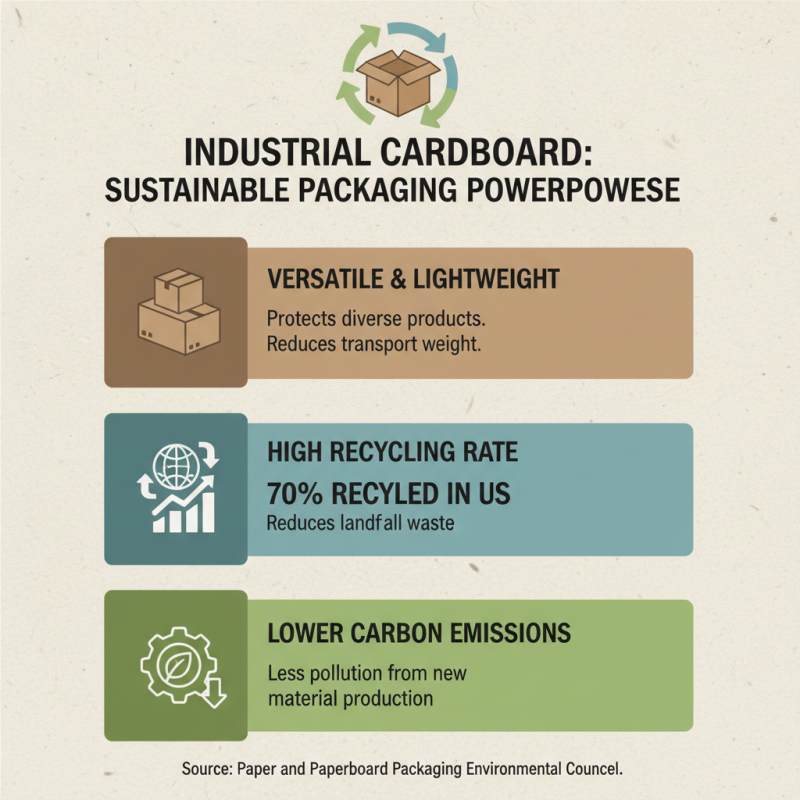
Industrial cardboard plays a crucial role in sustainable packaging. It is versatile, lightweight, and recyclable. According to a recent report by the Paper and Paperboard Packaging Environmental Council, over 70% of cardboard is recycled in the U.S. This high recycling rate reduces landfill waste. It also helps lower carbon emissions associated with new material production.
Using industrial cardboard can reduce plastic consumption significantly. A study by Smithers Pira indicates that the global market for cardboard packaging is expected to grow by more than 4% annually. However, some cardboard waste still ends up in landfills. This raises questions about efficiency and recycling practices across the industry.
Moreover, while industrial cardboard is biodegradable, it sometimes undergoes treatments that hinder its environmental benefits. The potential for eco-friendly innovations in materials and processes remains vast. As the demand for sustainable packaging rises, manufacturers must rethink their strategies. They must focus on reducing waste and enhancing recyclability.
Key Benefits of Using Industrial Cardboard for Eco-Friendly Solutions
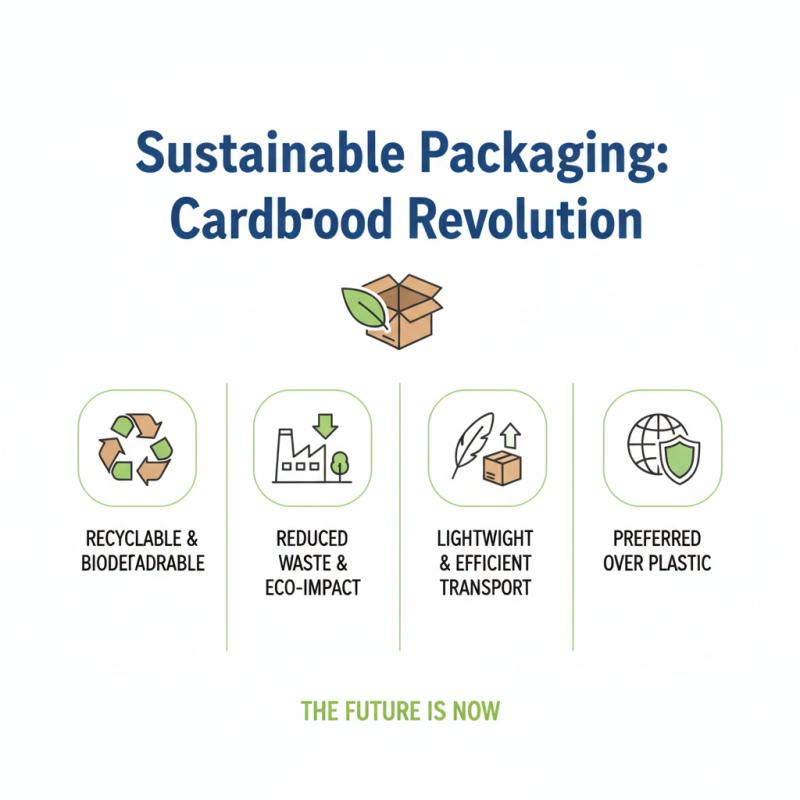
Industrial cardboard plays a vital role in sustainable packaging solutions. Its lightweight nature reduces transportation emissions significantly. Many companies are shifting towards this eco-friendly material to minimize their carbon footprint. It is made from recyclable resources, making it a preferable choice for eco-conscious consumers.
One notable benefit of industrial cardboard is its versatility. It can be molded into various shapes and sizes to fit different products. This adaptability helps in reducing waste. Additionally, the strength of industrial cardboard provides adequate protection during shipping.
However, producers must be careful about the glue and coatings used, as these can hinder recyclability.
Despite these advantages, there is a need for more awareness about proper disposal methods. Not all cardboard products are created equal. Some may contain harmful additives.
Consumers must educate themselves on what to look for to ensure they choose truly sustainable options. It's a step-by-step journey toward greener packaging solutions.
Comparative Analysis: Industrial Cardboard vs. Traditional Packaging Materials
Industrial cardboard is rapidly becoming a crucial element in sustainable packaging solutions. Recent studies show that cardboard packaging generates up to 50% less greenhouse gas emissions compared to plastic. This is significant, especially when considering the global push towards reducing carbon footprints.
When we compare industrial cardboard to traditional materials like plastic and styrofoam, the environmental benefits become clear. Industrial cardboard is biodegradable, while plastic can take hundreds of years to decompose. Moreover, around 80% of cardboard is recycled, making it a preferable choice for eco-conscious companies. On the other hand, recycling rates for plastic hover around 9%. This stark difference highlights the need for reevaluation of packaging choices.
Tips: Look for local recycling programs that accept cardboard. Consolidating waste can maximize recycling efficiency.
Another critical factor is the weight of packaging. Cardboard is generally lighter than many traditional materials. This can lead to lower transportation costs and reduced fuel consumption. However, the assumption that all cardboard is eco-friendly can be misleading. Not all cardboard is created equal; some may still utilize harmful chemicals in production.
Tips: Research suppliers that prioritize sustainable sourcing practices for their materials.
Why Industrial Cardboard is Essential for Sustainable Packaging Solutions? - Comparative Analysis: Industrial Cardboard vs. Traditional Packaging Materials
| Criteria |
Industrial Cardboard |
Traditional Packaging Materials |
| Recyclability |
100% recyclable |
Varies (often not recyclable) |
| Carbon Footprint |
Low |
High |
| Cost-effectiveness |
Competitive pricing |
Higher costs |
| Strength and Durability |
High |
Varies greatly |
| Biodegradability |
Naturally biodegradable |
Generally not biodegradable |
| Customization Options |
Highly customizable |
Limited customization |
| Impact on Environment |
Minimal |
Significant |
Innovative Applications of Industrial Cardboard in Various Industries
Industrial cardboard has become a game-changer in diverse industries. Its eco-friendly properties make it a leading choice for sustainable packaging solutions. In 2022, the global demand for eco-packaging reached $300 billion, with cardboard leading this growth. Industries like food service, e-commerce, and automotive are significantly adopting industrial cardboard.
The versatility of industrial cardboard is remarkable. It serves as protective shipping cartons, point-of-sale displays, and even furniture. The food industry, for instance, utilizes cardboard for takeout containers, reducing plastic waste. A study showed that using industrial cardboard reduced carbon emissions by 25% compared to plastic alternatives. This trend reflects a growing awareness of sustainability among consumers.
Tips: Always opt for corrugated cardboard for better protection. It’s stronger and more durable for shipping. Also, consider using biodegradable inks for printing. A little detail makes a big difference. Reflect on your material choices. Small shifts can lead to significant changes in sustainability.