Why is Eco Packaging Important for Sustainable Living?
Eco packaging is becoming essential in our fight against environmental degradation. As consumers become increasingly aware of their impact, the demand for sustainable alternatives grows. Jane Foster, an eco packaging expert, emphasizes, "Switching to eco-friendly materials can significantly reduce waste." This highlights the importance of the choices we make every day.
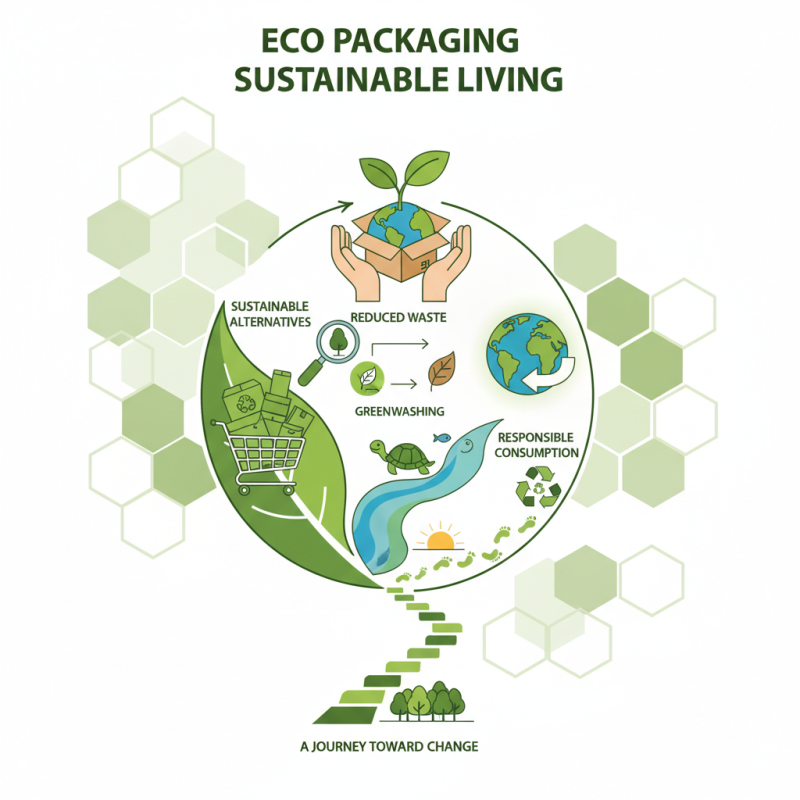
Many brands are now adopting eco packaging solutions. From biodegradable materials to recycled products, the options are expanding. However, not all eco-friendly packaging is effective. Many still fall short of true sustainability. Consumers must educate themselves to distinguish between genuine eco packaging and greenwashing.
Ultimately, embracing eco packaging can lead to profound environmental benefits. It encourages responsible consumption and minimizes ecological footprints. Yet, transitioning to a fully sustainable model is a journey. We all need to reflect on our choices and what truly makes packaging eco-friendly. Each small step can contribute to a larger change.
The Definition and Principles of Eco Packaging
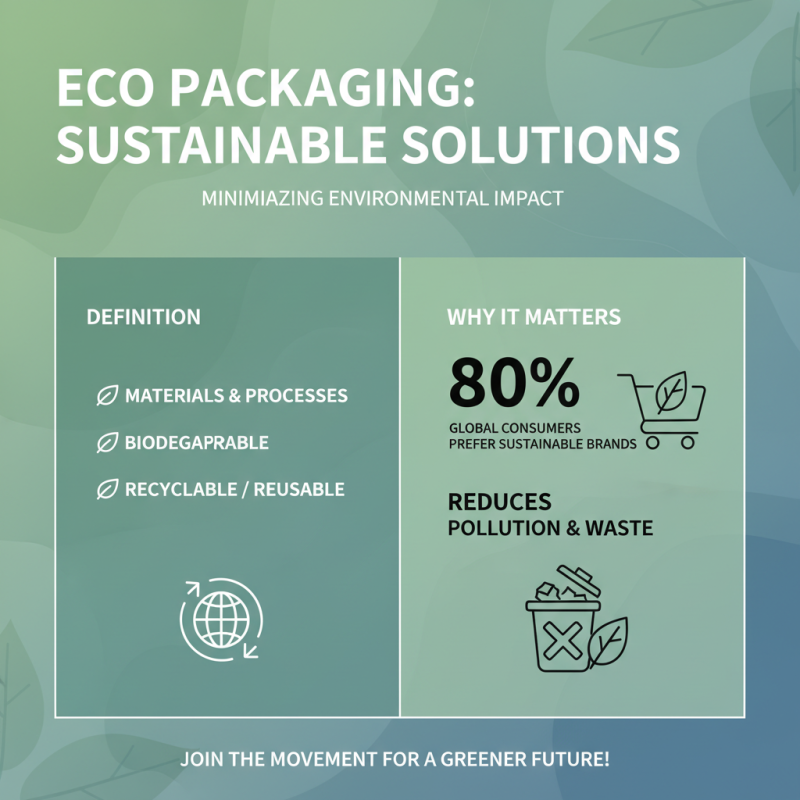
Eco packaging is vital for sustainable living. It refers to materials and processes that minimize environmental impact. Traditional packaging often contributes to pollution and waste. In contrast, eco packaging options are biodegradable, recyclable, or reusable. Reports indicate that nearly 80% of global consumers prefer companies that use sustainable materials. This trend emphasizes the importance of eco-friendly packaging in modern commerce.
Using eco packaging can significantly reduce carbon footprints. According to industry data, adopting sustainable packaging practices can lower greenhouse gas emissions by up to 30%. This shift not only benefits the planet but also enhances brand reputation. Companies showing commitment to sustainability often gain customer loyalty. Yet, many still rely on conventional packaging methods. This inconsistency raises questions about genuine efforts towards sustainability.
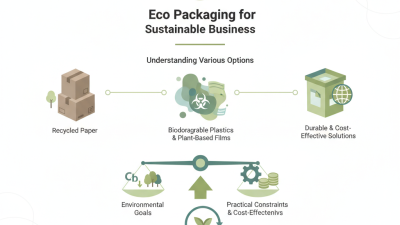
Tips: Choose materials like recycled paper or plant-based plastics. Check for certifications that prove eco-friendliness. Small changes in packaging can lead to significant environmental benefits. Every effort counts in the larger quest for sustainability.
The Environmental Impact of Conventional Packaging
Conventional packaging harms our environment in multiple ways. It often uses plastic that takes centuries to decompose. Many materials end up in landfills and oceans, damaging ecosystems and wildlife. The production of such packaging also consumes immense resources, adding to pollution. It’s crucial to rethink our packaging choices.
Eco-friendly packaging offers viable alternatives. Materials like recycled paper, bioplastics, and plant-based options break down more naturally. These choices reduce the strain on the planet's resources. For example, using biodegradable materials lessens the amount of waste in landfills. It’s a shift that requires conscious effort from consumers.
Tips: Choose products with minimal packaging. Utilize reusable bags and containers. Support companies committed to sustainable practices. Small changes make a significant impact over time. Start today and encourage others to do the same. Each step matters in creating a cleaner, healthier planet.
Benefits of Eco Packaging for Sustainable Living
Eco packaging plays a vital role in sustainable living. By minimizing waste, it directly reduces our environmental footprint. Biodegradable materials break down naturally, helping to restore ecosystems. This is essential for maintaining biodiversity in our communities.
Using eco-friendly packaging can also improve consumer awareness. Shoppers are more likely to choose sustainable options when they see clear labeling. This awareness fosters a culture of responsibility in purchasing decisions. However, it’s worth noting that not all eco packaging is created equal. Some products labeled as green still have a substantial environmental impact.
Innovating in eco packaging requires ongoing effort. Companies must balance cost and sustainability. This often leads to imperfect solutions. Perhaps a material is biodegradable but not easily recyclable. The journey toward fully sustainable packaging is complex, yet the benefits outweigh the challenges. Embracing eco packaging is a step toward a healthier planet.
Innovative Eco Packaging Materials and Technologies
Innovative eco packaging materials and technologies are transforming the packaging industry.
Biodegradable materials, such as cornstarch and mushroom mycelium, reduce waste significantly.
These options break down naturally, returning nutrients to the soil. They provide a sustainable alternative to conventional plastics, minimizing environmental impact.
Moreover, companies are exploring smart packaging technologies.
These involve materials that can communicate with consumers. For instance, some packages change color to indicate spoilage.
This innovation reduces food waste and encourages mindful consumption.
While these advancements are promising, challenges remain.
Consumers must be educated about proper disposal methods.
Another area to watch is the rise of reusable packaging systems.
Many organizations are creating returnable containers for products. This option reduces single-use waste and fosters a circular economy.
However, scalability remains a significant hurdle.
Not all consumers are ready to adapt to this shift. Therefore, continuous dialogue about the importance of eco packaging is vital.
Enhanced collaboration could drive broader acceptance and implementation.
Challenges and Future Trends in Eco Packaging Solutions
The eco packaging industry faces numerous challenges as it evolves.
One significant issue is the durability of materials. Many eco-friendly options break down easily, which can compromise product safety.
This concern leads consumers and manufacturers to prefer traditional packaging, which offers reliability. Balancing sustainability and performance is no easy task.
Another challenge is consumer awareness. While people are increasingly environmentally conscious, many still lack knowledge about eco packaging.
Misconceptions persist about what materials are truly sustainable. Greater education and straightforward labeling can help bridge this gap.
Stakeholders must work to convey eco packaging benefits effectively.
Future trends in eco packaging are promising yet complex. Innovations like biodegradable plastics and reusable materials are on the rise.
However, the production processes must also reduce environmental impacts. Investment in research is essential.
Companies must not only focus on the end product but also assess their entire supply chain. Every step counts toward genuine sustainability.