How to Choose Cardboard Tubes for Shipping Efficiently?
In the world of logistics, choosing the right materials can significantly impact shipping efficiency. One expert in the field, Dr. Emily Carter, emphasizes, "The right cardboard tubes for shipping can save both time and costs." This insight highlights the importance of selecting suitable packaging solutions for successful transit.
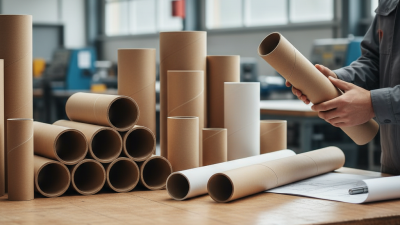
Cardboard tubes for shipping serve a variety of purposes. They are ideal for sending artwork, documents, and other sensitive materials. Ensuring proper dimension and strength is critical. The wrong choice can lead to damaged items and increased expenses. Many companies overlook these aspects, resulting in dissatisfied customers and potential losses.
When selecting cardboard tubes, consider your shipped items' weight and fragility. Assess your shipping methods too. Some tubes may hold up better during rough handling. It's also wise to analyze your supply chain needs. Inadequate preparation may result in logistical nightmares. Remember, thoughtful choices in packaging can enhance delivery performance and customer satisfaction.

Understanding the Dimensions and Strength of Cardboard Tubes for Shipping
When choosing cardboard tubes for shipping, understanding their dimensions and strength is crucial. The right size can significantly reduce shipping costs. Tubes that are too large may increase packaging expenses, while those that are too small can risk damage to contents. Measure your items carefully before selecting tube dimensions.
Strength is another key factor. Cardboard tubes come in various grades, and the right choice will depend on the weight of your items. Sturdy tubes can protect fragile items better during transit. However, not all sturdy options are necessary for light products. Testing different grades can help determine the best fit.
Consider these tips: Always check weight capacity before finalizing your purchase. Using a tube that's too weak could lead to unexpected failures. For fragile items, apply extra cushioning inside the tube. Lastly, evaluate your shipping method. Not all carriers handle packages the same way, so ensure your tube can withstand the rigors of its journey. A little extra thought can lead to more successful shipping outcomes.
Cardboard Tubes Strength Comparison for Shipping
This bar chart illustrates the compressive strength of cardboard tubes of various diameters, showing how strength increases with the size of the tube. When choosing a tube for shipping, consider both the diameter and the strength to ensure safe transportation of your products.
Selecting the Right Material for Cardboard Tubes: Types and Specifications
When selecting cardboard tubes for shipping, material choice is crucial. Quality cardboard can impact the safety and integrity of your shipment. Different types include single-wall, double-wall, and heavy-duty options. Single-wall tubes are lightweight but may not provide enough protection for fragile items. Double-wall tubes offer enhanced strength, making them suitable for more substantial products. Heavy-duty tubes are ideal for shipping heavy or bulk items, ensuring they won’t crush during transit.
Specifications also play a vital role. Consider the diameter and length of the tubes based on your products. Wider diameters are better for larger items, while narrower tubes work well for smaller items. You should think about the weight capacity too. Many manufacturers provide guidelines, but real-world testing is key. Sometimes, products can shift inside the tube. Therefore, adding padding or supports can help.
Sourcing from reliable suppliers matters. Look for companies that prioritize quality control. Ensure the cardboard is sourced from sustainable materials, which benefits the environment. It is important to regularly review your options and adapt to changing shipping needs. Mistakes can happen when companies overlook the importance of tube selection. Reflecting on past shipments may reveal vulnerabilities. Adjustments can improve future shipping efficiency and overall service quality.
How to Choose Cardboard Tubes for Shipping Efficiently?
| Type of Cardboard Tube |
Wall Thickness |
Length Options |
Inner Diameter |
Weight Capacity |
Best Use Case |
| Standard Fiber Tube |
0.10 inch |
12 - 60 inches |
2 - 6 inches |
Up to 50 lbs |
Shipping documents, posters |
| Heavy-Duty Tube |
0.20 inch |
12 - 48 inches |
3 - 8 inches |
Up to 100 lbs |
Artwork, fragile items |
| Custom Printed Tube |
0.15 inch |
8 - 36 inches |
2 - 5 inches |
Up to 40 lbs |
Promotional materials |
| Telescopic Tube |
Variable |
24 - 72 inches |
3 - 6 inches |
Up to 70 lbs |
Long items, rolls of fabric |
| Biodegradable Tube |
0.12 inch |
10 - 40 inches |
2 - 4 inches |
Up to 30 lbs |
Eco-friendly shipping |
Cost-Effectiveness of Cardboard Tubes vs. Other Shipping Containers
When considering shipping options, the cost-effectiveness of cardboard tubes often stands out. A study from the Packaging Association noted that cardboard tubes can reduce shipping costs by up to 30% when compared to traditional boxes. This significant savings stems from their lightweight design and efficient use of space, allowing companies to optimize shipping routes and reduce fuel expenses.
Cardboard tubes also provide robust protection for the contents inside. According to industry reports, they exhibit superior compression strength, making them ideal for shipping fragile items. In fact, analysis shows that during transport, products shipped in cylindrical packaging experience 40% less damage compared to those in flat containers. This aspect can lead to reduced losses and increased customer satisfaction, as recipients find their items intact upon arrival.
However, companies must weigh the benefits against certain limitations. While cardboard tubes are excellent for specific items, they may not be suitable for every product type. Not all goods fit neatly into a tube, which can limit their versatility. Furthermore, sourcing high-quality tubes may require additional time and effort. It's essential for businesses to evaluate their product range to ascertain whether cardboard tubes align with their shipping strategies.
Environmental Impact of Cardboard Tube Usage in Shipping Practices
The environmental impact of cardboard tubes in shipping is significant. Cardboard is recyclable and biodegradable, which helps reduce waste. Unlike plastic packaging, cardboard tubes can decompose naturally. This feature lessens the burden on landfills. However, the sustainability of cardboard production raises questions. Deforestation and resource consumption are critical issues. We must consider sourcing practices when choosing materials.
Additionally, while cardboard tubes are eco-friendly, not all uses are ideal. For example, they may not offer sufficient protection for fragile items. This could lead to product damage and increased waste. A thoughtful approach is necessary when selecting cardboard tubes. Evaluating the balance between environmental benefits and practical applications can be challenging.
Efficient shipping requires considering the entire lifecycle of packaging. Understanding how cardboard affects the environment helps us make informed decisions. Alternative materials may sometimes be better for specific items. Continuous reflection on our packaging choices can lead to more sustainable practices in shipping.
Best Practices for Sealing and Protecting Contents Within Cardboard Tubes
When using cardboard tubes for shipping, the protection of contents is crucial. To start, choose the right size tube for your items. A snug fit prevents movement, reducing the risk of damage during transit. Consider using cushioning materials, such as bubble wrap or foam inserts, especially for fragile items. These materials provide additional protection against shocks and vibrations.
Sealing the cardboard tube securely is equally important. Use strong packing tape to secure both ends of the tube. This ensures that the contents remain intact and are safeguarded against environmental factors. However, over-taping can create unnecessary bulk, leading to potential shipping issues. It’s essential to balance security with practicality. Remember to label the package clearly, indicating whether the contents are fragile. Clear communication aids in careful handling during transit.
Reflecting on these practices can lead to improvement. Regularly assess your packing methods. Are your tubes consistently strong enough? Are the sealing techniques effective? Gathering feedback from recipients can provide insights into how well your shipping methods are working. This approach fosters continuous improvement in your shipping processes.