Why Choose Paper Bags for Sustainable Packaging Solutions?
In recent years, the demand for eco-friendly solutions has surged. Many businesses are re-evaluating their packaging choices. One popular option gaining attention is the Paper Bag. These bags are not only versatile but also biodegradable, aligning with sustainable practices. Consumers today are more conscious about their environmental impact. Choosing a Paper Bag can reflect a brand's commitment to sustainability.
However, not all Paper Bags are created equal. It's essential to assess their durability and design. A bag must hold items securely without tearing. Brands should also consider the production process. Are the materials sourced responsibly? The journey of a Paper Bag, from tree to store, matters. By prioritizing quality, businesses can ensure their packaging complements their values.
While Paper Bags present many advantages, challenges remain. Some consumers may still prefer plastic due to its strength. Convincing them to shift requires education. Emphasizing the long-term benefits of Paper Bags is crucial. With informed choices, brands can harness the power of sustainable packaging, driving a positive change for our planet.
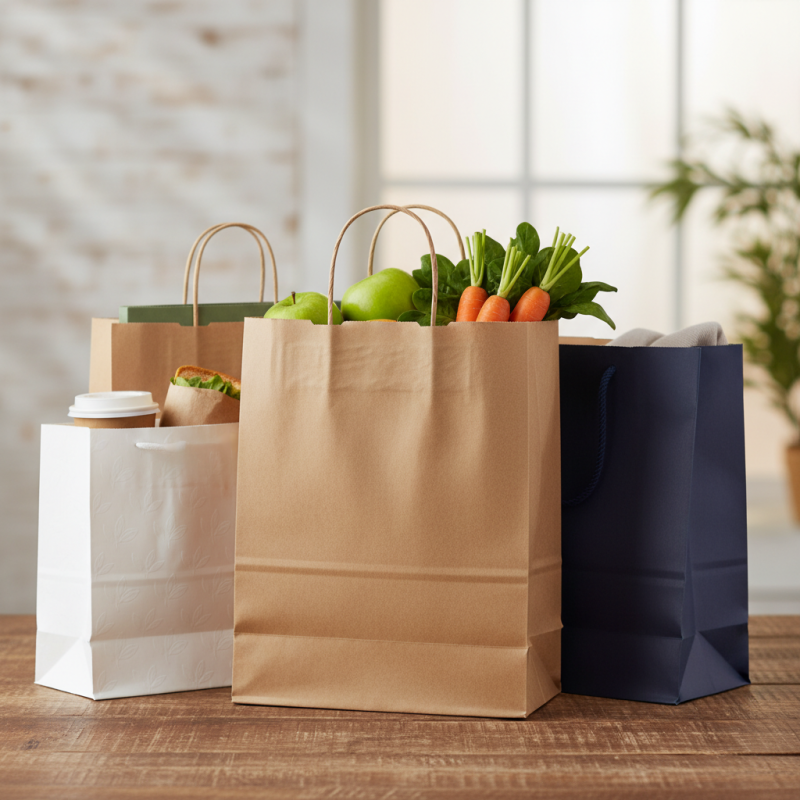
Understanding the Environmental Impact of Packaging Materials
In recent years, the environmental consequences of packaging materials have become a critical issue. Plastic waste is a significant contributor to pollution, with an estimated 300 million tons produced annually. According to the Environmental Protection Agency, around 30% of this plastic ends up in our oceans. The long decomposition period of plastic, spanning hundreds of years, leads to devastating effects on marine life and ecosystems.
Paper bags present a more sustainable alternative. They are biodegradable and can decompose within a few months under the right conditions. A study by the Paper and Paperboard Packaging Environmental Council reveals that the energy used to produce paper bags is 37% less than that of plastic bags. Moreover, trees sourced for paper production can be replanted, contributing to carbon sequestration and forest management. These advantages help mitigate the adverse effects associated with plastic.
Despite their benefits, there are concerns. Paper production involves cutting down trees and using water and energy. Each bag has its environmental footprint. While the recycling rate for paper is higher than plastic, it remains crucial to evaluate the entire lifecycle of packaging materials. Continuous improvement and innovation in packaging strategies are essential for true sustainability.
Environmental Impact of Packaging Materials
The Benefits of Paper Bags in Sustainable Packaging Solutions
In recent years, the demand for sustainable packaging solutions has surged. Paper bags have emerged as a popular choice due to their environmental benefits. According to the Paper and Paperboard Packaging Environmental Council, paper bags are recyclable, biodegradable, and made from renewable resources. This makes them a more sustainable option than traditional plastic bags, which often end up in landfills.
Research has shown that choosing paper over plastic can significantly reduce carbon footprint. A study by the Environmental Paper Network indicates that paper bags can produce up to 40% less carbon dioxide compared to plastic. Additionally, their production process requires less energy. This shift in material can lead to a more sustainable lifecycle, from production to disposal.
Despite these advantages, not all paper bags are created equal. Some may be treated with chemicals, reducing their eco-friendliness. It's essential for consumers and businesses alike to choose untreated or certified paper products to maximize sustainability. By making informed choices, we can enhance our contribution to a healthier environment and promote a circular economy.
Comparative Analysis: Paper Bags vs. Plastic Bags
When comparing paper bags and plastic bags, it's essential to look at their environmental impact. According to the Environmental Protection Agency (EPA), paper bags generate about 30% more greenhouse gases than plastic bags during production. However, paper bags are biodegradable and can break down in six months under ideal conditions. In contrast, plastic bags can take up to 1,000 years to decompose. This stark difference highlights the sustainability of paper bags in an eco-conscious society.
Another significant aspect is recyclability. Studies show that approximately 70% of paper bags are recycled compared to just 10% of plastic bags. This means that choosing paper bags supports a circular economy. However, producing paper requires energy and water. About 24 gallons of water are needed to produce one pound of paper. These figures highlight the necessity for responsible sourcing and recycling practices.
**Tips:** Consider using paper bags for lightweight items. This can minimize both emissions and waste. Remember that reusing any type of bag, whether paper or plastic, is crucial in reducing overall environmental impact. Always prioritize recycled materials for sustainable packaging.
Innovations in Paper Bag Manufacturing for Sustainability
The shift towards sustainable packaging has accelerated innovations in paper bag manufacturing. Recent data from industry reports indicates that the global paper bag market is expected to grow at a CAGR of 4.5% through 2027. This surge is driven by the increasing demand for eco-friendly alternatives to plastic bags. Manufacturers are now focusing on technology advancements that enhance both functionality and sustainability.
New methods in production have emerged. For instance, water-based adhesives and biodegradable inks are increasingly used. These materials reduce harmful emissions during manufacturing. Reports show companies adopting these technologies achieve a 30% reduction in greenhouse gas emissions. However, challenges remain. Sourcing sustainable paper materials can still lead to deforestation if not managed properly. Continuous efforts are needed to ensure responsible sourcing practices are in place.
Moreover, some consumers remain skeptical about the strength and durability of paper bags. Testing has shown that high-quality paper bags can carry similar weights as plastic bags, yet public awareness is still lacking. Further education on these benefits is essential. Oversight and transparency in supply chains can help build trust in sustainable paper solutions.
Why Choose Paper Bags for Sustainable Packaging Solutions?
| Feature | Benefit | Sustainability Aspect | Innovation Example |
| Biodegradable | Breaks down naturally in the environment | Reduces landfill waste | Use of plant-based materials |
| Recyclable | Can be reprocessed into new products | Promotes circular economy | Integration of recycling programs |
| Customizable | Allows branding with minimal environmental impact | Encourages responsible marketing | Innovative printing techniques |
| Lightweight | Easy to transport, saves on shipping costs | Lower carbon footprint | Advanced material engineering |
| Durable | Holds weight without tearing | Reduces single-use plastic reliance | New production technologies |
Consumer Trends: The Shift Towards Eco-Friendly Packaging Options
As consumers become increasingly aware of environmental issues, they are shifting towards eco-friendly packaging options. This movement is more than just a trend; it reflects a deeper commitment to sustainability. Many shoppers now prefer products with minimal environmental impact.
Paper bags have gained popularity due to their biodegradable nature. Unlike plastic, which can take centuries to decompose, paper bags break down naturally. This appeals to consumers who seek greener choices. However, some may still doubt paper's ability to hold strong, especially for heavy items. Yet, advancements in manufacturing techniques have improved their strength significantly.
In addition, the aesthetics of paper packaging are appealing. They offer a rustic, natural look that resonates with modern consumers. People are more likely to choose brands that align with their values. However, it's essential for brands to ensure their paper sources are sustainable. Substituting one problem with another is not the solution. Transparency in sourcing and production is vital to gain consumer trust. As the market evolves, both brands and consumers must continue to reflect on their choices and impacts.