How to Choose Eco Shipping Solutions for Your Business?
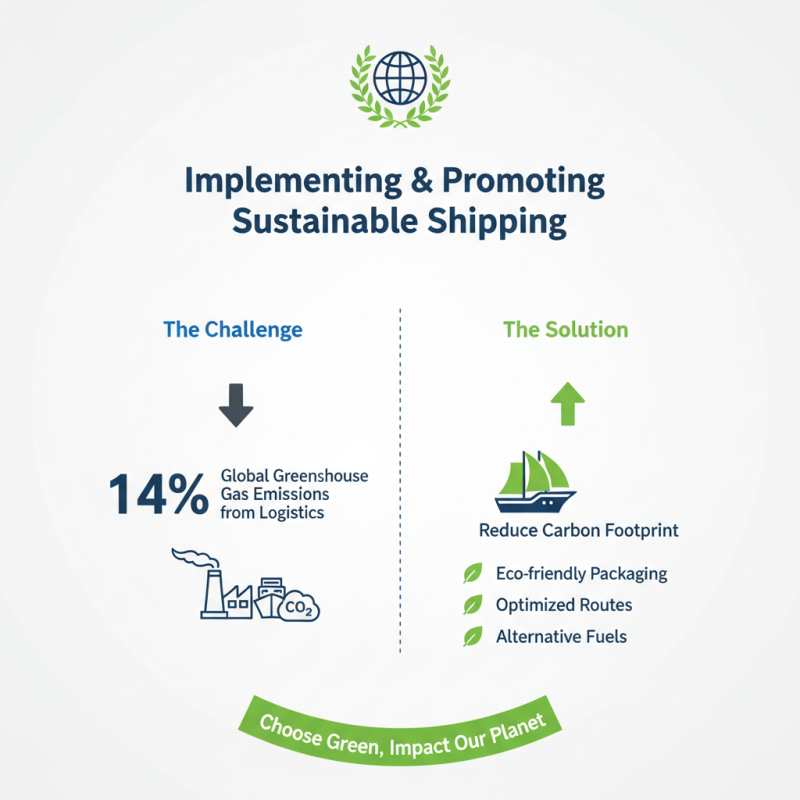
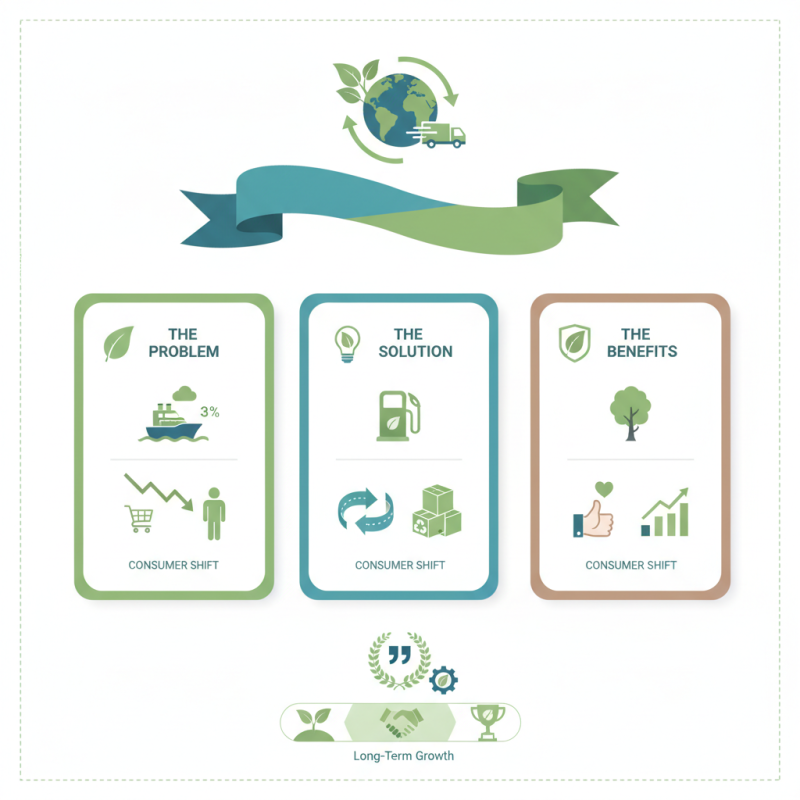
In today's competitive market, businesses are increasingly recognizing the importance of eco shipping. The global shipping sector accounts for about 3% of total greenhouse gas emissions, according to a 2022 report by the International Maritime Organization. As consumers shift toward sustainability, companies must adapt their logistics to meet this growing demand.
Dr. Emma Green, a noted expert in sustainable logistics, once stated, "Choosing eco shipping solutions is no longer optional; it's essential for future success." This highlights the urgency for businesses to consider greener shipping methods. Transitioning to eco shipping can involve using alternative fuel sources, optimizing routes, and reducing packaging waste.
Despite these promising strategies, many companies still hesitate. The complexity of implementation and the initial costs can be daunting. Furthermore, businesses may struggle to identify reliable eco shipping partners. However, embracing eco-friendly shipping practices not only helps the planet but can also enhance brand reputation and customer loyalty. Sustainable choices have tangible long-term benefits that go beyond compliance.
Understanding Eco Shipping Solutions and Their Importance
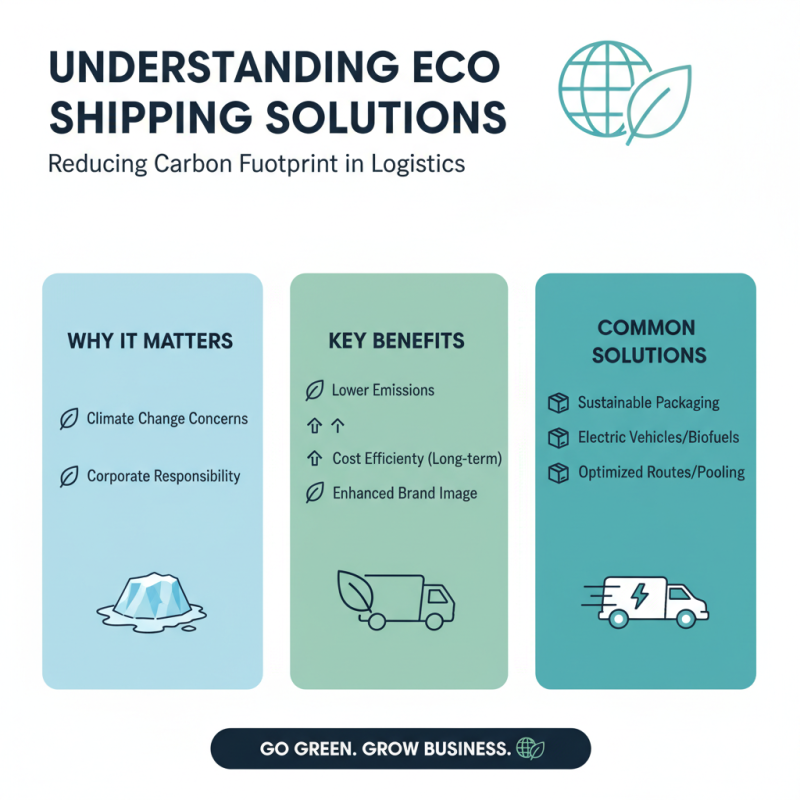
Eco shipping solutions are becoming increasingly important in today's business landscape. As concerns about climate change rise, many companies are exploring sustainable shipping. These options are designed to reduce the carbon footprint of logistics operations. Understanding their benefits is crucial for any business committed to being environmentally responsible.
Choosing eco shipping solutions involves knowing various methods. Utilizing renewable energy sources is one approach. For instance, electric vehicles can minimize emissions significantly. Additionally, optimizing packaging materials can reduce waste. Using biodegradable options not only helps the environment but also appeals to conscious consumers. Employees must engage in proper waste management to complement these efforts. Small businesses often struggle to implement these practices, but even minor changes can lead to significant improvements.
Some challenges exist. Eco shipping can come with higher upfront costs. Many businesses hesitate to switch due to budget constraints. There can be confusion over which solutions are truly effective. It's important to research and understand available options thoroughly. Collaborating with knowledgeable partners can simplify this process. Each step towards sustainability may seem small, but collectively they create a notable impact. Embracing eco shipping isn’t just beneficial; it’s becoming necessary for long-term success.
Identifying Your Business’s Shipping Needs and Preferences
Choosing eco-friendly shipping solutions requires a clear understanding of your business’s shipping needs and preferences. Start by assessing the volume of goods you ship regularly. Are they heavy, fragile, or require special handling? Understanding these aspects can guide you to suitable eco-friendly packaging and transportation options.
Evaluate your delivery timelines. Some eco-friendly options may take longer. For example, sea freight often produces lower emissions compared to air transport. Yet, it might not meet urgent deadlines. Balancing speed and sustainability is crucial.
**Tips:** Consider using biodegradable packaging. It reduces waste and resonates well with eco-conscious consumers. Collaborate with shipping providers that prioritize sustainability. This partnership can enhance your brand image. Remember, not every eco-solution will fit perfectly. It's essential to test and adjust your methods to find what works best for your business.
How to Choose Eco Shipping Solutions for Your Business? - Identifying Your Business’s Shipping Needs and Preferences
| Shipping Method |
Carbon Footprint (kg CO2e) |
Delivery Time (Days) |
Cost ($) |
Sustainability Rating (1-5) |
| Rural Road Transport |
12 |
3 |
150 |
4 |
| Air Freight |
500 |
1 |
800 |
1 |
| Rail Transport |
30 |
5 |
250 |
5 |
| Bicycle Delivery |
1 |
2 |
100 |
5 |
| Sea Freight |
150 |
10 |
300 |
3 |
Evaluating Different Eco-Friendly Shipping Options Available
When evaluating eco-friendly shipping options, it’s essential to consider your business needs and environmental impact. Many shipping methods are designed to reduce carbon footprints. You could use electric delivery vehicles, which emit less pollution than traditional fuel-powered vans. This approach is becoming increasingly popular among businesses focused on sustainability.
Packaging is another critical factor. Opting for biodegradable materials can lessen waste. Recyclable packaging reduces the need for new resources. Some businesses utilize paper instead of plastic, which is a tangible step toward sustainability. However, not all biodegradable options decompose in regular landfills. They require specific conditions to break down effectively.
It's beneficial to assess the carbon offset programs available. Many carriers offer plans that allow businesses to compensate for their emissions. This could be through planting trees or investing in renewable energy projects. While these solutions seem positive, it’s important to reflect on their actual effectiveness. Transparent metrics about impact are essential. Overall, the choice of eco-friendly shipping should align with your company's values while effectively addressing the complexities of environmental responsibility.
Cost Analysis: Balancing Eco Solutions with Your Budget
Cost analysis is essential when selecting eco-friendly shipping solutions. Businesses often struggle with the balance between sustainability and budget constraints. A 2021 study from the International Council on Clean Transportation reveals that greener shipping options can reduce carbon emissions by up to 30%, but the initial costs can be high.
Understanding your business's specific needs is key. For example, using hybrid or electric vehicles can be costly to adopt but may save money in the long run. Reports show that companies implementing such methods see a 15% reduction in fuel costs after the initial investment. Moreover, eco-friendly packaging can lower waste disposal fees and boost your brand’s reputation.
However, not all eco solutions provide the same ROI. Choosing local suppliers or optimizing shipping routes can yield immediate savings. Additionally, companies need to be aware that not every eco initiative offers short-term financial benefits. It requires careful planning and strategic decision-making. Conducting a comprehensive cost-benefit analysis can help identify the best approach for your business while remaining environmentally responsible.