How to Use Cardboard Tube Packaging for Eco-Friendly Shipping Solutions
In an era where sustainability is becoming increasingly critical, businesses are seeking innovative ways to reduce their environmental impact while maintaining efficient shipping practices. One effective solution gaining popularity is cardboard tube packaging. This eco-friendly option not only minimizes plastic waste but also offers robust protection for a variety of products during transit. As we explore the "Top 5" benefits of utilizing cardboard tube packaging for shipping solutions, we will highlight how this versatile choice can revolutionize your shipping processes while aligning with modern sustainability practices.

Cardboard tube packaging serves as a remarkable alternative to traditional shipping materials, blending functionality with environmental responsibility. With its lightweight yet durable structure, it ensures that items are securely contained, thereby reducing the risk of damage. Furthermore, its recyclable nature means that once the products reach their destination, the packaging can be easily reprocessed, contributing to a circular economy. As we delve deeper into the advantages and practical applications of cardboard tube packaging, we will uncover how businesses can implement these strategies to create a greener, more efficient shipping solution.
Benefits of Cardboard Tube Packaging for Sustainable Shipping
Cardboard tube packaging is emerging as a leading solution for sustainable shipping, offering a plethora of benefits that align with eco-friendly practices. According to a report by Smithers Pira, the global market for sustainable packaging is projected to reach $500 billion by 2027, highlighting the growing demand for environmentally responsible options. Cardboard tubes, made from recyclable materials, not only reduce waste but also minimize the carbon footprint associated with traditional packaging methods. Their design allows for efficient use of materials, resulting in less excess packaging and improved shipping efficiencies.
In addition to their environmental benefits, cardboard tube packaging offers enhanced protection for products, particularly those that are fragile or oversized. A study from the Institute of Packaging Professionals indicates that cylindrical designs can distribute pressure more evenly, reducing the risk of damage during transit. This aspect is crucial for businesses aiming to enhance customer satisfaction while reducing the costs associated with product returns due to damages. By adopting cardboard tube packaging, companies can meet consumer demands for sustainability while simultaneously protecting their products, paving the way for a greener future in shipping solutions.
Selecting the Right Cardboard Tube Size for Your Products
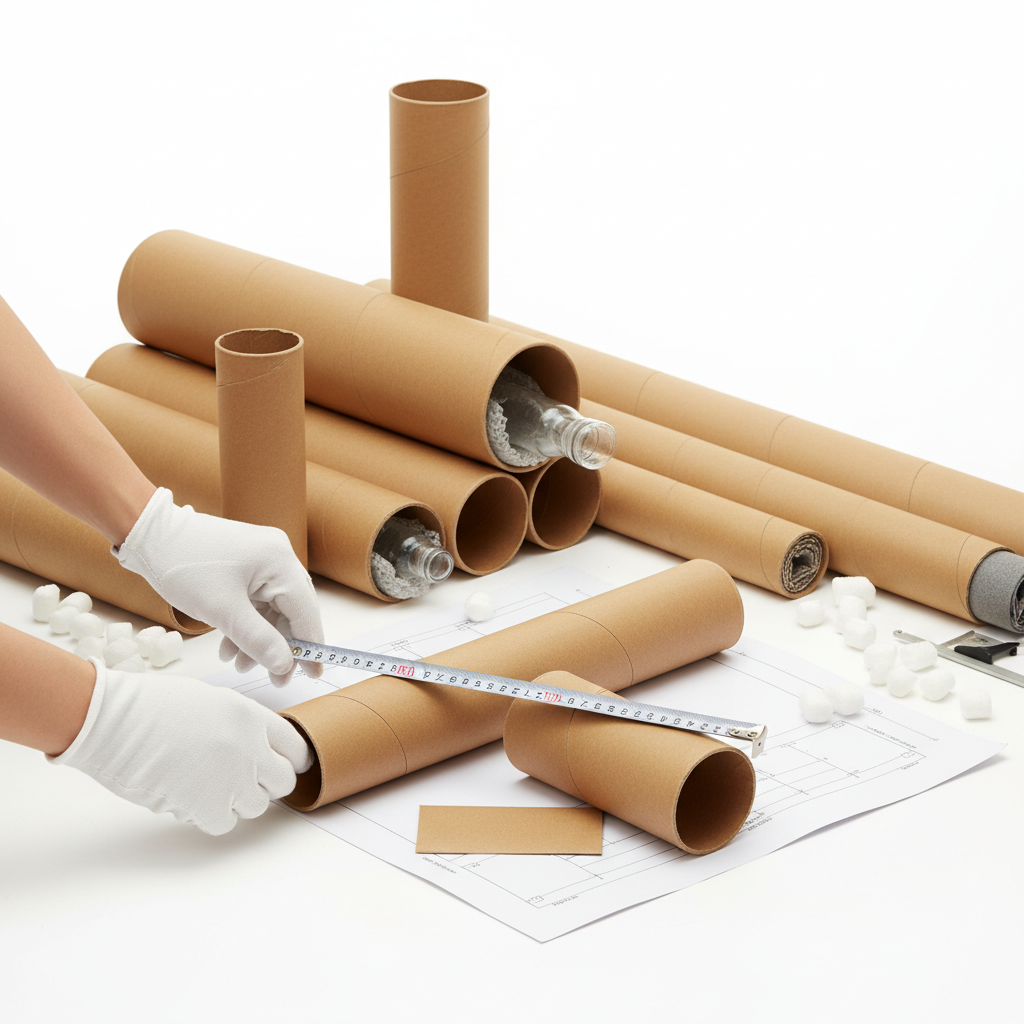
Choosing the appropriate size of cardboard tube for your products is crucial to ensure effective protection and minimize waste during shipping. First, consider the dimensions of your items. Measure the length and diameter carefully to ensure a snug fit. A cardboard tube that is too large can lead to unnecessary movement, increasing the risk of damage, while one that is too small can result in crushing or bending. Aim for a size that offers adequate padding without excess space.
Additionally, take into account the weight of your products when selecting a cardboard tube. Heavier items may require thicker cardboard or reinforced tubes to withstand the shipping process without compromising the integrity of the package. It’s also advisable to consider the nature of the product being shipped. Fragile items, for instance, benefit from tubes with additional cushioning materials or inserts to keep them secure during transit. By carefully selecting the right cardboard tube size, you can enhance the safety of your shipments while promoting eco-friendly packaging solutions.
Innovative Designs for Enhanced Protection in Shipping
In the quest for eco-friendly shipping solutions, innovative packaging designs play a crucial role in enhancing protection during transit.
Cardboard tube packaging stands out as a sustainable alternative that not only reduces carbon footprint but also ensures that products arrive safely and intact.
Designed to be lightweight yet sturdy, these tubes provide excellent cushioning, making them ideal for shipping fragile items such as glassware, artwork, and delicate electronics.
Moreover, the customizable nature of cardboard tube packaging allows businesses to tailor their designs—whether through the incorporation of internal supports or the use of biodegradable materials.
This adaptability not only meets the diverse needs of various products but also signals a commitment to environmental responsibility. By prioritizing innovative packaging solutions, companies can enhance their brand image while contributing to a more sustainable future in logistics.
Tips for Eco-Friendly Branding with Cardboard Tube Packaging
Eco-friendly branding is a crucial aspect of modern business practices, and using cardboard tube packaging can significantly enhance your company's sustainable image. Cardboard tubes are not only environmentally friendly due to their recyclable nature, but they also offer a sleek and professional appearance that can elevate your product presentation. To effectively leverage this packaging solution, consider printing your brand’s logo and eco-certifications directly on the tubes. Choose eco-friendly inks that align with your sustainability goals, ensuring your branding messages are consistent with your commitment to the environment.
Another effective strategy is to incorporate minimalist designs that showcase your eco-conscious ethos. By using simple graphics and earthy color palettes, you can create packaging that reflects your brand values while minimizing unnecessary waste. Additionally, educate your customers about the recyclability of the packaging by including informative labels or tags. This not only encourages responsible disposal but also reinforces your brand's dedication to sustainability. Overall, using cardboard tube packaging not only provides protection for your products but also serves as a powerful tool for eco-friendly branding.
Eco-Friendly Packaging Solutions: Cardboard Tube Usage
Recycling and Reusing Cardboard Tubes in the Supply Chain

Cardboard tubes have emerged as a vital player in the realm of eco-friendly packaging, offering a sustainable alternative for shipping solutions. According to a report from the Paper and Paperboard Packaging Environmental Council, over 69% of corrugated boxes in the U.S. are recycled, demonstrating the industry’s commitment to sustainability. By repurposing cardboard tubes, companies can further reduce waste in the supply chain, as these tubes often come from the same recyclable material as traditional cardboard boxes. Using recycled tubes not only conserves resources but also significantly lowers carbon emissions connected to the production of new materials.
When integrating cardboard tubes into your shipping strategy, consider these tips: First, assess the type of product being shipped to ensure that the cardboard tube provides adequate protection and support. Second, customize tube lengths to suit your items, which can minimize excess packaging and further reduce waste. Lastly, partner with suppliers who prioritize sustainability in their packaging solutions, as this reinforces your commitment to eco-friendly practices throughout the supply chain.
By implementing the recycling and reusing of cardboard tubes, businesses can contribute to a circular economy while enhancing their brand image. Research from the Green Packaging Association indicates that 74% of consumers are more likely to support brands that prioritize sustainability. Thus, leveraging cardboard tubes not only elevates your shipping efficiency but also aligns with consumer preferences for environmentally conscious products.