What is Cardboard Tube Packaging and How it Benefits Your Business
Cardboard tube packaging is emerging as a pivotal solution in the ever-evolving landscape of sustainable and efficient packaging options. According to a report by Smithers Pira, the global market for sustainable packaging is projected to reach $500 billion by 2023, highlighting the increasing demand for eco-friendly materials. Among these, cardboard tube packaging stands out due to its recyclability and biodegradability, making it an attractive choice for businesses looking to reduce their environmental impact.

Moreover, the versatility of cardboard tubes has made them a popular choice across various industries—from cosmetics to food and beverages. A recent study from Freedonia Group indicates that the demand for rigid paper and paperboard containers, which includes cardboard tubes, is expected to grow by 3.7% annually through 2024. This growth is fueled not only by consumer preference for sustainable options but also by the practical benefits that cardboard tube packaging offers, such as durability and ease of customization. As businesses seek innovative ways to enhance their product presentation while minimizing their carbon footprint, cardboard tube packaging is poised to play a crucial role in shaping the future of packaging solutions.
Understanding Cardboard Tube Packaging: Definition and Overview
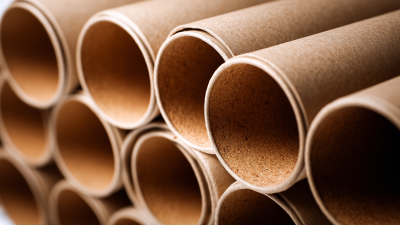
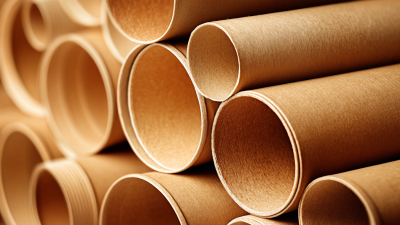
Cardboard tube packaging is a specialized form of packaging that utilizes cylindrical tubes made from sturdy cardboard materials. This type of packaging is commonly used for a variety of products, ranging from posters and documents to food items and cosmetics. The structure of cardboard tubes allows for effective protection against bending and damage, making them an ideal choice for shipping delicate items. The versatile design can be customized in size, shape, and printing, catering to the unique branding needs of different businesses.
One of the significant advantages of cardboard tube packaging is its eco-friendly aspect. Made from recyclable materials, these tubes contribute to a more sustainable packaging solution, aligning with the growing demand for environmentally conscious products. Additionally, the lightweight nature of cardboard tubes helps reduce shipping costs, particularly for businesses that rely on quantity. This combination of sustainability and cost-effectiveness makes cardboard tube packaging an appealing option for businesses looking to enhance their packaging strategy while promoting their commitment to environmental responsibility.
Key Statistics Highlighting the Growth of Cardboard Tube Packaging Market
The growth of the cardboard tube packaging market has been notable in recent years, driven by increasing demand across various industries. According to recent statistics, the market is projected to expand at a compound annual growth rate (CAGR) of over 5% from 2021 to 2028. This growth can be attributed to the rising awareness of sustainable packaging solutions, as cardboard tubes provide an eco-friendly alternative to plastic and other non-biodegradable materials.
Moreover, sectors such as cosmetics, food and beverage, and pharmaceuticals are increasingly adopting cardboard tube packaging due to its versatility and aesthetic appeal. Reports indicate that the cosmetics industry, specifically, has seen a surge in the use of cardboard tubes, with a significant percentage of companies shifting towards this packaging format to enhance brand image while committing to sustainability.
These statistics underscore the potential of cardboard tube packaging not only in promoting environmental responsibility but also in driving business growth through innovative branding strategies.
Benefits of Cardboard Tube Packaging for Sustainable Business Practices
Cardboard tube packaging is emerging as a
sustainable alternative
in a market increasingly driven by eco-conscious practices. According to a report by
Smithers Pira, the global demand for sustainable packaging is expected to reach
$500 billion by 2026, driven largely by companies seeking to minimize their environmental impact.
Cardboard tubes, made from recyclable materials, not only reduce reliance on plastic but also align with
circular economy principles.
Businesses that adopt this packaging solution can enhance their sustainability profile, attracting a
growing segment of environmentally aware consumers.
Additionally, the lightweight nature of cardboard tube packaging offers significant logistical advantages.
Research from the American Forest & Paper Association indicates that using lightweight materials can lead to a
carbon footprint reduction of at least
25% in shipping and handling costs. This reduction resonates with companies aiming to streamline their operations while adhering to sustainable practices.
By switching to cardboard tubes, businesses not only lessen their environmental impact but can also realize
cost savings, reinforcing their commitment to sustainability
without sacrificing efficiency.
Cost-Effectiveness of Cardboard Tube Packaging Compared to Traditional Options
Cardboard tube packaging has emerged as a cost-effective alternative to traditional packaging methods, offering businesses significant savings. According to the Smithers Pira report, the global market for tube packaging is projected to grow at a compound annual growth rate (CAGR) of 4.3% from 2021 to 2026. This growth indicates a shifting preference towards innovative packaging solutions, largely driven by their lower production costs and enhanced sustainability. Cardboard tubes, made from recyclable materials, reduce both material and shipping costs, which can be as much as 20-30% less than plastic or rigid packaging options.
In terms of versatility, cardboard tubes can accommodate a variety of products, from cosmetics to food items, without sacrificing structural integrity. A study by the Packaging Institute found that businesses that transitioned to tube packaging noted a 15% reduction in packaging waste. Furthermore, the adaptability of cardboard tubes, which can be customized in size and design, allows brands to optimize their packaging strategy, leading to increased efficiency in logistics and inventory management. These factors collectively contribute to a more favorable cost structure for companies looking to streamline production and enhance their environmental footprint.
What is Cardboard Tube Packaging and How it Benefits Your Business - Cost-Effectiveness of Cardboard Tube Packaging Compared to Traditional Options
| Packaging Type |
Material Cost ($ per unit) |
Shipping Cost ($ per unit) |
Storage Efficiency (units per pallet) |
Sustainability Rating (1-5) |
| Cardboard Tube |
0.50 |
0.30 |
150 |
5 |
| Plastic Bottle |
0.70 |
0.40 |
100 |
2 |
| Glass Jar |
1.20 |
0.50 |
80 |
3 |
| Metal Can |
0.90 |
0.45 |
70 |
4 |
Innovative Uses of Cardboard Tube Packaging Across Different Industries
Cardboard tube packaging has emerged as a versatile solution across various industries, adapting to the changing demands for sustainable and innovative packaging. In the cosmetics sector, for instance, an increasing number of brands are aligning with consumer preferences for eco-friendly solutions, causing a significant shift towards cardboard tubes. These tubes not only offer an aesthetic appeal but also enhance product sustainability, making them an attractive option for companies seeking to reduce their environmental impact.
In addition to cosmetics, cardboard tube packaging is being utilized innovatively in sectors such as electronics and logistics. Companies are creating smart packaging solutions, like smart television recycling boxes, which combine cutting-edge technology with eco-friendly materials. The logistics industry is also embracing cardboard tubes as they align with the goal of reducing carbon footprints and enhancing recycling efforts. Overall, the adaptability of cardboard tube packaging highlights its growing relevance in meeting the sustainability challenges faced by various industries today.