What is Cardboard Packaging and Why is it Important?
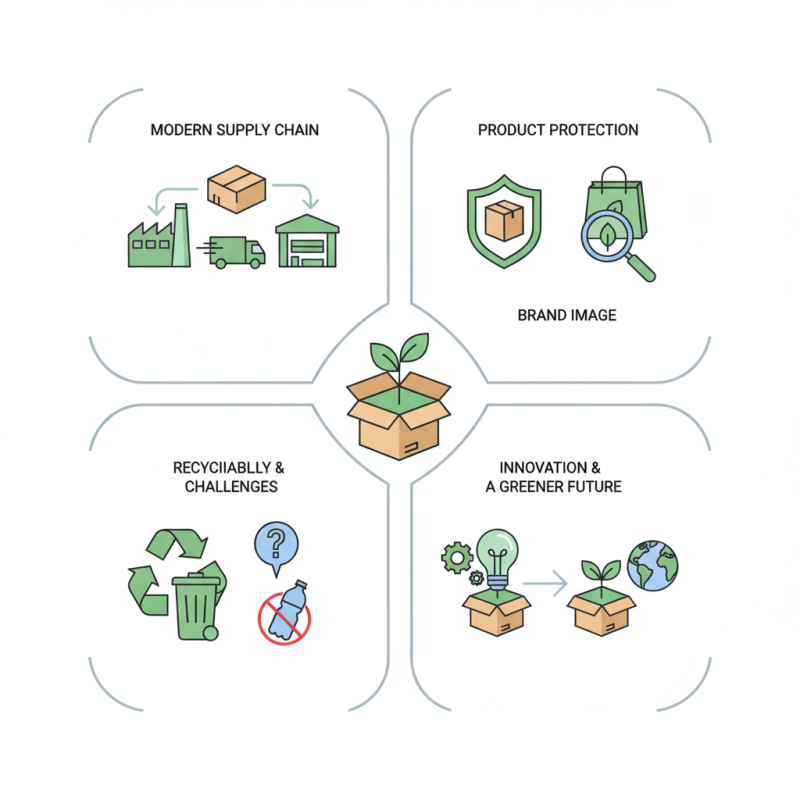
Cardboard packaging plays a crucial role in the modern supply chain. Mark Johnson, a leading expert in sustainable packaging, once stated, "Cardboard packaging is not just a choice; it's a responsibility." This statement highlights its growing importance in today's eco-conscious marketplace.
From protecting products to enhancing brand image, cardboard packaging serves multiple functions. Its lightweight and durable nature makes it ideal for shipping goods efficiently. However, many still overlook its environmental impact. While cardboard is recyclable, not all consumers know how to dispose of it correctly.
The industry faces challenges, such as rising costs and competition from plastic alternatives. The need for innovation is evident. Companies must balance functionality and sustainability. Cardboard packaging must evolve to meet these demands. Exploring new designs and materials is essential for a greener future. This emphasizes the need for collective effort in making cardboard packaging better—more effective, sustainable, and responsible.
What is Cardboard Packaging: A Comprehensive Overview
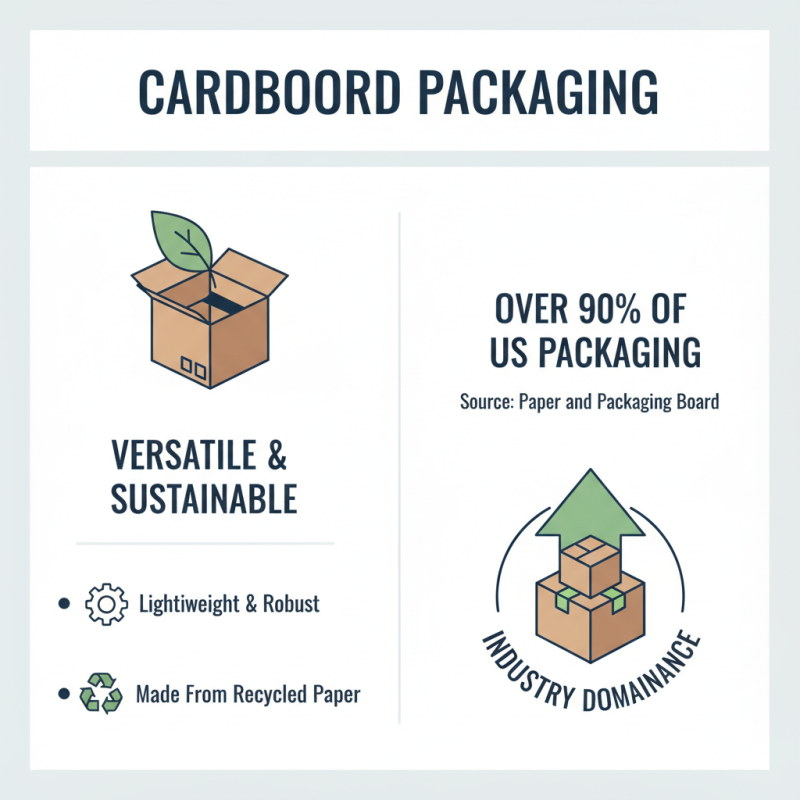
Cardboard packaging is a versatile and sustainable choice for various industries. Made primarily from recycled paper products, it offers a lightweight and robust solution. According to the Paper and Packaging Board, cardboard accounts for over 90% of all packaging materials used in the U.S. This statistic highlights its significance in today’s market.
The benefits of cardboard packaging are evident. It provides excellent protection for goods during shipping and storage. Studies show that nearly 68% of customers perceive cardboard as a more eco-friendly option. As sustainability becomes a priority, brands are pressured to adopt greener practices. Cardboard is easily recyclable, which aligns with consumer values. However, the challenge lies in ensuring that the entire lifecycle of cardboard remains sustainable.
Yet, cardboard has limitations. It can be less water-resistant than other materials. This weakness might risk product integrity under certain conditions. Additionally, some manufacturers face difficulties in sourcing quality raw materials. The fluctuating prices of recycled paper can impact production costs. These factors encourage the industry to continually innovate for improved performance while maintaining eco-friendliness.
The Materials Used in Cardboard Packaging and Their Properties
Cardboard packaging is made primarily from paper pulp. The main materials include wood chips and recycled paper. These components are combined to create a strong and lightweight product. The thickness of the cardboard can vary, affecting its durability and usage. For instance, thicker cardboard is often used for shipping boxes, while thinner options are common for packaging consumer goods.
Another key aspect is the sustainable nature of cardboard. It is biodegradable and can be recycled multiple times. This makes it environmentally friendly. However, not all cardboard is created equally. Some types have coatings that can complicate recycling. Manufacturers must consider these details to optimize their products for sustainability.
The moisture resistance of cardboard is also notable. Some packaging uses special treatments to withstand exposure to humidity. This innovation helps protect contents during transport. Yet, these improvements can raise questions about the overall ecological impact. Balancing performance and environmental concerns is a challenge that continues to evolve.
Cardboard Packaging Material Properties
This bar chart displays essential properties of cardboard packaging, such as bursting strength, thickness, recyclability, and water resistance. These characteristics are crucial for ensuring that cardboard packaging meets functional and environmental standards.
The Manufacturing Process of Cardboard Packaging
The manufacturing process of cardboard packaging begins with raw materials. Typically, recycled paper is used, making it an eco-friendly choice. Globally, over 70% of cardboard is recycled, reducing waste. But challenges remain. Sourcing quality recycled material is a concern.
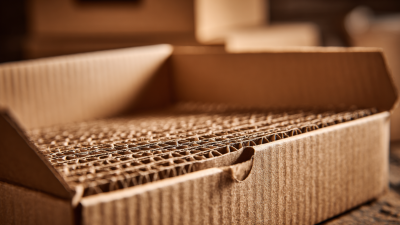
The production involves pulping, pressing, and drying. This process creates layers, adding strength to the final product. During creation, about 10% of fiber can be lost. This inefficiency calls for better recycling techniques. Furthermore, water usage in this process can be substantial, raising environmental questions.
Quality control is crucial. Often, manufacturers encounter variances in thickness and strength. According to industry reports, nearly 25% of cardboard may not meet standards. These inconsistencies can lead to damage during shipping. Addressing these production challenges is vital for improving overall efficiency and sustainability in the cardboard sector.
The Environmental Impact of Cardboard Packaging
Cardboard packaging is gaining attention for its environmental benefits. Made from renewable resources, it presents a more sustainable option than plastic. The production of cardboard typically uses less energy and releases fewer greenhouse gases. This means a smaller carbon footprint in comparison to other materials.
However, not all cardboard is created equal. Some types may be coated with plastics or chemicals, complicating recycling efforts. Consumers often overlook this fact. Simple choices matter. Opting for uncoated cardboard can make a difference.
Moreover, the disposal of cardboard packaging impacts the environment. While it biodegrades more easily than plastic, improper disposal still poses risks. Contaminating recycling with food waste or other materials can hinder the process. Awareness of these details can drive better consumer behavior. Small steps lead to significant improvements for our planet.
What is Cardboard Packaging and Why is it Important?
| Category |
Environmental Benefit |
Recyclability |
Carbon Footprint (kg CO2e per ton) |
Usage in Industries |
| Manufacturing |
Less energy-intensive compared to plastic |
Yes |
900 |
Food & Beverage, Retail |
| Transportation |
Reduces waste during shipping |
Yes |
750 |
E-commerce, Logistics |
| Retail |
Biodegradable option for consumers |
Yes |
800 |
Consumer Goods, Electronics |
| Sustainability |
Supports circular economy |
Yes |
700 |
Packaging, Construction |
Applications and Advantages of Cardboard Packaging in Various Industries
Cardboard packaging plays a crucial role in multiple industries. Its applications range from food and beverage to electronics. In 2021, the global cardboard packaging market was valued at approximately $370 billion. This figure is expected to grow as companies prioritize sustainability. Cardboard is recyclable and biodegradable, making it an eco-friendly choice.
The food industry significantly benefits from cardboard packaging. It protects products while maintaining freshness. For example, pizza boxes made from cardboard allow for breathability. This keeps food warm without sogginess. Additionally, the e-commerce sector relies heavily on cardboard boxes for shipping. In 2022, around 75% of online retail used cardboard packaging. This reduces excess weight and shipping costs.
Tip: Always select packaging that minimizes waste. Consider using smaller boxes to fit products snugly. This prevents movement and damage during transit.
Despite several advantages, there are downsides to consider. Cardboard packaging might not be as durable as plastic. Its structural integrity can weaken in humid conditions. Additionally, some users struggle with the recycling process. Not all cardboard is recyclable due to contamination. This highlights the need for better education on proper disposal methods. A mindful approach will enhance the benefits of cardboard packaging in the long run.