Why Choose Cardboard Packaging for Your Business Needs and Sustainability Goals
In today's rapidly evolving business landscape, sustainability has become a paramount concern for companies looking to reduce their environmental footprint while also appealing to eco-conscious consumers. One of the most effective ways to achieve this is through the adoption of cardboard packaging. Renowned industry expert Dr. Emily Carter, an advocate for sustainable materials, emphasizes, "Switching to cardboard packaging not only aligns with environmental goals but also fosters a positive brand image." This highlights the dual benefits of choosing cardboard packaging: it meets the operational needs of businesses while contributing to broader ecological objectives.
Cardboard packaging is not just a cost-effective and versatile solution; it also reflects a commitment to sustainability that resonates with today's informed consumers. As we delve into the numerous advantages of cardboard packaging, from its recyclability to its reduced carbon footprint, it becomes clear that this choice is integral to any company’s strategy aimed at both profitability and environmental responsibility. Embracing cardboard packaging can position businesses as forward-thinking leaders dedicated to innovation and sustainability in their operations.

Benefits of Cardboard Packaging for Businesses
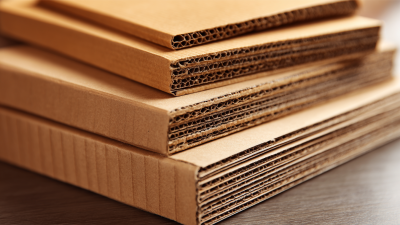
Cardboard packaging has emerged as a popular choice among businesses seeking to enhance their sustainability efforts while simultaneously benefiting from a versatile packaging solution. One of the primary advantages of cardboard is its eco-friendliness. Made from renewable resources, cardboard is biodegradable and recyclable, making it an excellent choice for companies aiming to reduce their environmental footprint. By selecting cardboard for packaging needs, businesses not only comply with increasing consumer demand for sustainable practices but also contribute positively to environmental conservation.
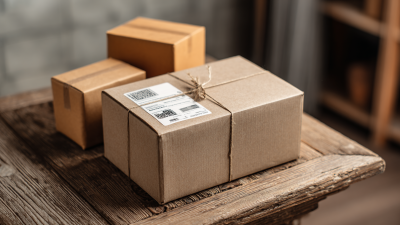
Furthermore, cardboard packaging offers significant cost efficiency without compromising on quality. It is lightweight, which reduces shipping costs, thereby improving overall profit margins. Additionally, the versatility of cardboard allows for customization in size and design, enabling businesses to create packaging that is tailored to their products and brand identity. This adaptability makes cardboard a suitable option for various industries, from e-commerce to food packaging, where protecting the product while maintaining an appealing presentation is vital. Ultimately, the benefits of cardboard packaging extend beyond sustainability, harnessing cost efficiency and versatility that cater to diverse business requirements.
Cardboard Packaging Benefits for Businesses
Environmental Impact of Cardboard Packaging
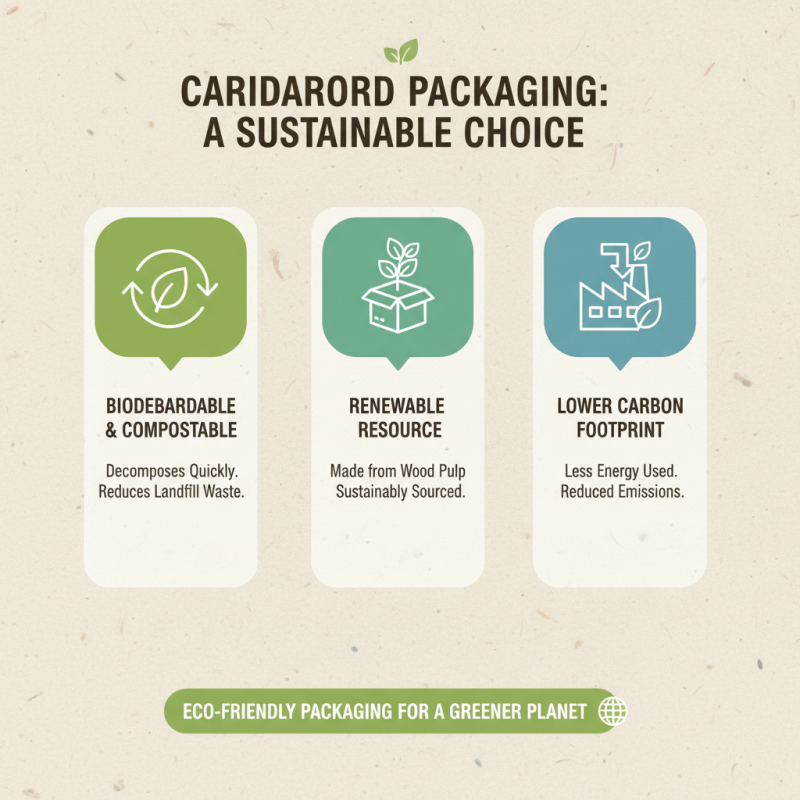
The environmental impact of cardboard packaging is significant, especially in the context of the pressing global need for sustainability. Cardboard, primarily made from natural materials like wood pulp, is biodegradable and compostable, which means it can decompose naturally within a short period compared to plastic or Styrofoam. This characteristic drastically reduces its contribution to landfill waste, making it a favored choice for eco-conscious businesses. The production process for cardboard also typically requires less energy compared to plastic alternatives, contributing to lower carbon emissions during manufacturing.
Moreover, the renewable nature of cardboard provides an additional sustainability advantage. With proper forest management practices, the raw materials required for cardboard can be sourced sustainably, ensuring that forests are replenished and biodiversity is preserved. Furthermore, many cardboard products can be easily recycled, adding to a circular economy where materials are reused several times before they reach the end of their life cycle. By opting for cardboard packaging, companies not only minimize their ecological footprint but also resonate with a growing consumer preference for environmentally friendly products. This alignment with sustainability goals not only enhances brand reputation but also fosters customer loyalty among increasingly eco-aware consumers.
Cost-Effectiveness of Cardboard Solutions
Cardboard packaging has gained traction among businesses not only for its eco-friendly attributes but also for its cost-effectiveness. Compared to traditional packaging materials, cardboard is generally less expensive to produce, transport, and dispose of. This reduction in costs can significantly impact a company's bottom line, especially for startups and small businesses looking to maximize their budget while still maintaining quality packaging.
Employing cardboard solutions allows businesses to allocate resources more efficiently, directing savings into other vital areas such as marketing and product development.
When considering cardboard packaging for your business, keep the following tips in mind:
- Assess your packaging needs carefully; choosing the right type of cardboard can help reduce excess material usage, further lowering costs.
- Explore bulk purchasing options to take advantage of lower prices per unit—many suppliers offer discounts for larger orders.
- Consider the design and functionality of your packaging; optimizing these elements can help minimize material waste and improve customer unboxing experiences, ultimately enhancing brand perception without increasing expenditure.
Versatility and Customization of Cardboard Packaging
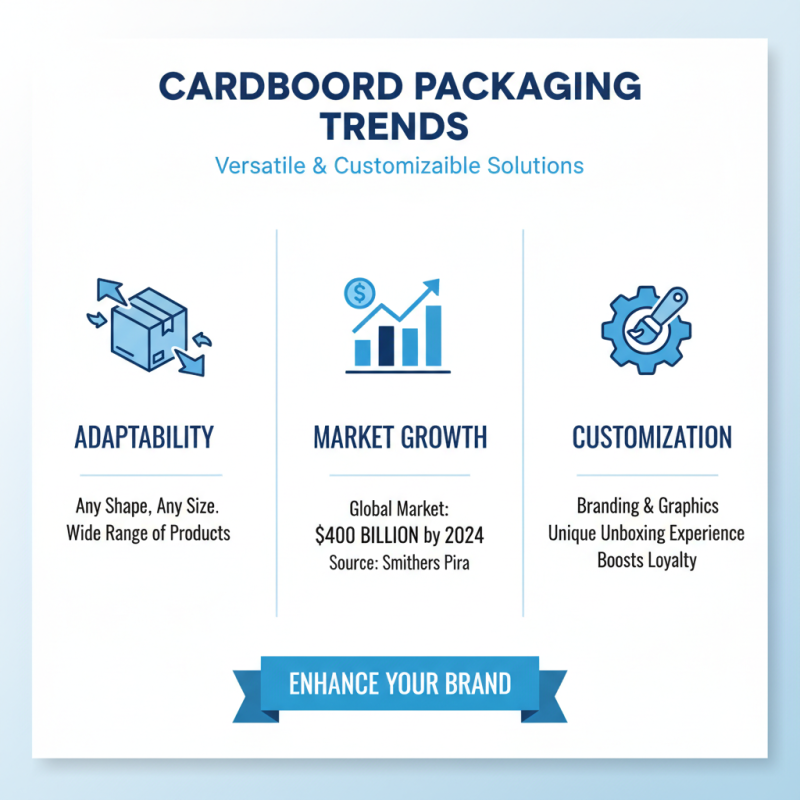
Cardboard packaging has become increasingly popular among businesses seeking versatile and customizable solutions. One of the key attributes of cardboard is its adaptability to various shapes and sizes, catering to a wide range of products across different industries. According to Smithers Pira, the global market for cardboard packaging is projected to reach $400 billion by 2024, underscoring its importance in supply chains. Businesses can personalize their packaging designs, from structural formats to printed graphics, which enhances brand recognition and customer engagement. Customizability enables companies to create unique unboxing experiences that resonate with consumers, fostering loyalty and repeat purchases.
Additionally, the environmental benefits of cardboard packaging cannot be overlooked. A report by the Environmental Protection Agency indicates that paper and cardboard account for about 25% of municipal solid waste in the United States, yet it is one of the most recycled materials, with a recycling rate of around 89%. This high recyclability contributes to sustainability goals, allowing companies to minimize their carbon footprints while meeting consumer demand for eco-friendly products. By incorporating recycled content into their packaging solutions, businesses can not only reduce waste but also appeal to the growing demographic of environmentally conscious consumers. The versatility and eco-attributes of cardboard packaging make it an ideal choice for businesses looking to thrive in the today's competitive marketplace.
Regulatory Considerations and Market Trends in Packaging Choices
The packaging industry is currently witnessing significant shifts driven by regulatory considerations and evolving market trends. Many businesses are now prioritizing sustainable packaging solutions due to stricter environmental regulations aimed at reducing waste and encouraging recyclability. According to the Smithers Pira report, the global market for sustainable packaging is expected to reach $500 billion by 2028, growing at a CAGR of 5.7%. This trend is influencing companies to adopt materials like cardboard, which not only comply with regulatory standards but also resonate with consumers' growing preference for eco-friendly alternatives.
As brands aim to align with sustainability goals, they must also take into account the changing consumer attitudes towards packaging. A recent study from Nielsen reported that 73% of consumers are willing to change their consumption habits to reduce environmental impact. This shift showcases the importance of selecting packaging that meets both regulatory requirements and consumer demands. Cardboard packaging, being recyclable and biodegradable, positions businesses to capitalize on this trend while fulfilling their corporate social responsibilities.
Tips for businesses: Consider integrating recycled materials into your cardboard packaging to enhance sustainability efforts. Additionally, stay informed about local regulations concerning packaging waste, as compliance can greatly impact your brand's reputation. Finally, engage with consumers through transparent communication about your packaging choices to build trust and loyalty.
Why Choose Cardboard Packaging for Your Business Needs and Sustainability Goals - Regulatory Considerations and Market Trends in Packaging Choices
| Dimension |
Data |
| Market Share of Cardboard Packaging |
40% (2023) |
| Growth Rate (Annual) |
5.2% |
| Consumer Preference for Sustainability |
75% of consumers prefer eco-friendly packaging |
| Recyclability Rate of Cardboard |
85% |
| Compliance with Regulations |
Meets ISO 14001 standards |
| Cost Comparison with Plastics |
10% cheaper |
| Trends in E-commerce Packaging |
Increasing use of cardboard by 15% in 2023 |