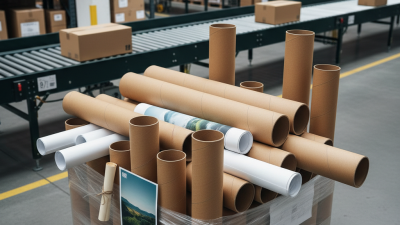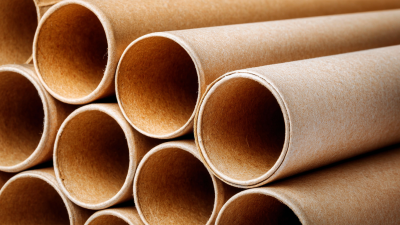

In recent years, the demand for sustainable packaging solutions has surged, driven by increasing consumer awareness regarding environmental issues and corporate social responsibility. According to a report by McKinsey & Company, 62% of consumers are more likely to purchase products with environmentally friendly packaging, highlighting the growing importance of eco-conscious choices in consumer behavior. Among the various innovative solutions available, **paperboard tube packaging** has emerged as a leading option for brands looking to reduce their environmental footprint while maintaining product integrity and aesthetics.
With a market projected to grow at a CAGR of over 4% through the next five years, the paperboard tube packaging sector demonstrates its potential to meet both consumer preferences and regulatory demands for sustainability. This packaging option not only utilizes renewable materials but also offers enhanced recyclability, contributing to a circular economy. Furthermore, the versatility of paperboard tubes allows for various applications across industries, including cosmetics, food, and personal care, merging functionality with eco-friendliness. As companies navigate a landscape increasingly dominated by sustainability considerations, adopting paperboard tube packaging could be a pivotal step towards aligning with modern consumer expectations.
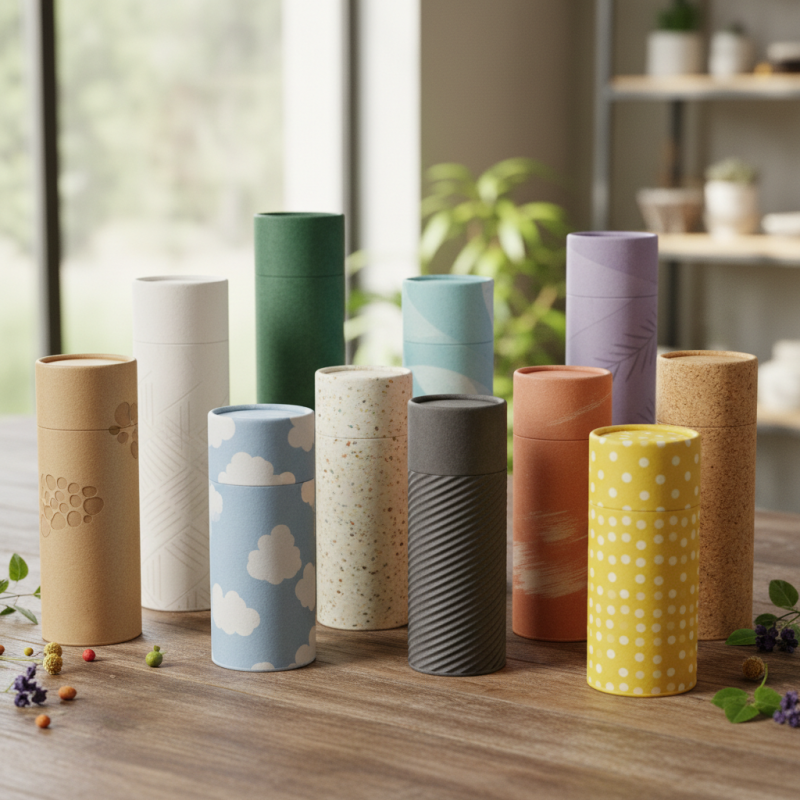
Paperboard tube packaging has gained popularity as an eco-friendly option for various products due to its sustainable characteristics and versatility. One of the main benefits of using paperboard tubes is their biodegradability; they can break down naturally in the environment, reducing landfill waste significantly. Additionally, paperboard is recyclable, allowing consumers to participate in sustainability efforts by properly disposing of packaging materials. This feature appeals to environmentally conscious brands and consumers alike, reinforcing the commitment to green practices while maintaining high-quality packaging.
When considering the switch to paperboard tube packaging, brands should focus on a few key tips to maximize their environmental impact. First, opting for locally sourced materials can reduce carbon footprints associated with transportation. Secondly, incorporating minimalistic design features not only enhances visual appeal but also aligns with eco-friendly values by using less material. Lastly, brands should educate their consumers about the recyclable nature of the packaging, encouraging responsible disposal and reinforcing the eco-friendly message.
The versatility of paperboard tubes allows them to be used for various products, from cosmetics to food items, while preserving the integrity of the contents. By embracing this packaging solution, brands can effectively highlight their commitment to sustainability, attract eco-conscious customers, and contribute positively to the planet’s health.
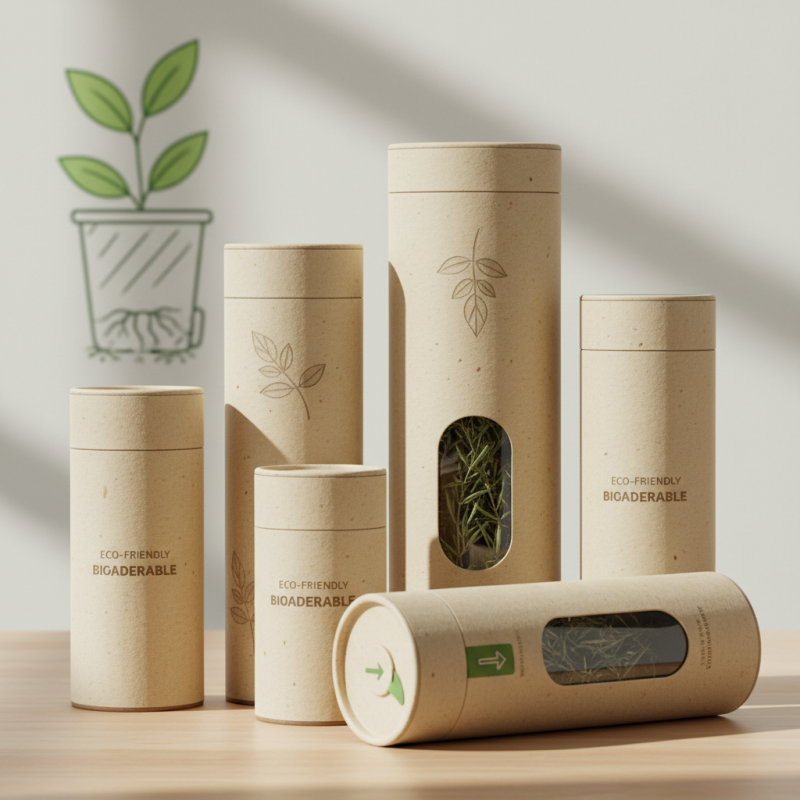
When designing eco-friendly paperboard tube packaging, there are several key features to consider that can greatly enhance both sustainability and functionality. First and foremost, the choice of materials is crucial. Opting for recycled paperboard not only reduces environmental impact but also appeals to eco-conscious consumers. Additionally, ensuring that the inks and adhesives used in the production process are non-toxic and biodegradable is essential to maintain the overall sustainability of the packaging.
Another important aspect revolves around the tube's functionality in protecting the product. The design should provide adequate strength and rigidity to prevent damage during transportation, while still being lightweight to minimize resource use. Incorporating features such as easy-to-open designs can improve user experience, making the packaging more appealing. Furthermore, consider implementing features that allow for reuse or easy recycling, thereby encouraging customers to participate in sustainable practices. Engaging consumers with information about the eco-friendly benefits of the packaging can also foster a deeper connection with the product.
In recent years, the demand for sustainable packaging solutions has grown significantly as consumers and businesses alike embrace eco-friendly practices. According to a report by Smithers Pira, the global market for sustainable packaging is projected to reach $800 billion by 2024, driven by a shift in consumer preferences towards greener options. Paperboard tube packaging has emerged as a compelling alternative due to its recyclability and biodegradable properties. These tubes not only reduce plastic consumption but also offer durability and protection for a variety of products, from cosmetics to food items.
Furthermore, advancements in paperboard production techniques have enhanced the versatility of tube packaging. According to a study from the American Forest & Paper Association, the use of recycled content in paper products has reached an impressive 66%, illustrating the industry's commitment to sustainability. Innovations such as water-based inks and natural adhesives further minimize environmental impact, making paperboard tubes an optimal choice for brands aiming to align with eco-conscious consumer values. As businesses continue to prioritize sustainability, exploring these top paperboard tube packaging solutions can play a vital role in achieving eco-friendly goals while maintaining product integrity.
When evaluating paperboard tube packaging solutions for eco-friendly products, a crucial factor is the sourcing of materials used in their production. Sustainable sourcing involves choosing materials that are renewable, responsibly harvested, and environmentally friendly. Many manufacturers are now prioritizing the use of recycled paperboard, which not only reduces waste but also lessens the demand for virgin materials. The paperboard is often sourced from post-consumer waste or is certified by recognized environmental standards, ensuring minimal environmental impact throughout the lifecycle of the product.
Additionally, the sourcing process can incorporate local materials to reduce carbon footprints associated with transportation. By sourcing materials from nearby suppliers, companies can further enhance their sustainable manufacturing processes. This localized approach not only supports regional economies but also contributes to a reduction in greenhouse gas emissions. Assessing the environmental impact of these sourcing decisions is essential for companies that wish to position themselves as leaders in eco-friendly packaging solutions. The commitment to sustainable material sourcing helps create a positive brand image while contributing to a circular economy, promoting both environmental responsibility and product integrity.
| Packaging Type | Material Source | Recycling Rate | Biodegradability | Cost (per unit) |
|---|---|---|---|---|
| Standard Paperboard Tube | Recycled Paper | 80% | Yes | $0.50 |
| Luxury Paperboard Tube | FSC Certified Paper | 70% | Yes | $1.20 |
| Kraft Paper Tube | 100% Recycled Kraft | 85% | Yes | $0.40 |
| Colored Paper Tube | Sustainable Dyed Paper | 60% | Yes | $0.90 |
| Composite Paper Tube | Recycled and New Fiber | 75% | No | $1.00 |
| Shrink Sleeved Tube | Biodegradable Film | 50% | Yes | $0.80 |
| Reinforced Paper Tube | Natural Fiber Blends | 65% | Yes | $1.10 |
| Paperboard Tube with Cap | Recycled Board with Biodegradable Cap | 80% | Yes | $1.30 |
| Multi-Layered Paper Tube | Layered Recycled Paper | 70% | No | $1.50 |
In recent years, the demand for eco-friendly packaging solutions has soared, and paperboard tube packaging has emerged as a standout option for sustainable products. Innovations in this area focus on enhancing both environmental responsibility and practical functionality. Advances in materials have led to the creation of tubes that not only meet stringent sustainability standards but also offer improved durability. Manufacturers are now utilizing recycled and biodegradable paperboard, ensuring that the entire packaging process—from production to disposal—minimizes environmental impact.
Moreover, the design of paperboard tubes has evolved to incorporate clever features that improve usability for consumers. For instance, several designs now include easy-tear openings and resealable options that maintain product integrity while reducing waste. These enhancements not only cater to the eco-conscious market but also provide brands with a unique selling proposition. By focusing on both sustainability and user-friendly functionality, paperboard tube packaging addresses the growing consumer demand for responsible choices, making it an attractive option for businesses looking to enhance their brand's eco-friendly image.
© 2025 Cardboard Tubes | Registered in England and Wales.
Company Number 2402078