What Are the Best New Label Materials for Global Sourcing?
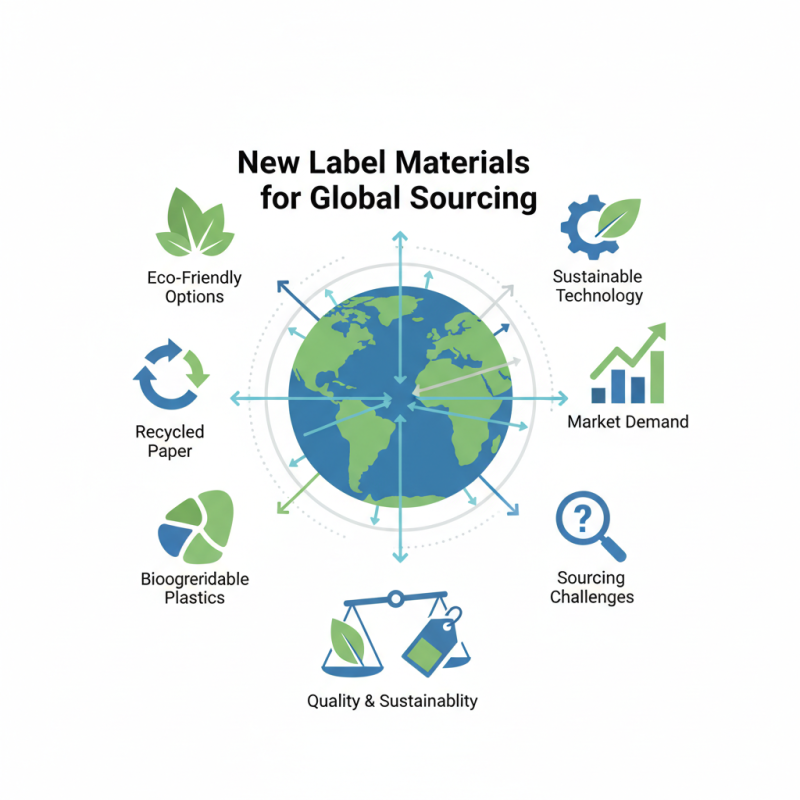
In today’s rapidly evolving market, the demand for New Label Materials is on the rise. Companies worldwide seek innovative solutions that meet both environmental standards and branding needs. Using the latest technologies, manufacturers are producing materials that are not only durable but also sustainable. Eco-friendly options are now a priority for many organizations.
Advancements in materials science are reshaping label production. For instance, biodegradable plastics and recycled paper products are gaining traction. These materials help reduce waste and promote a greener image. However, sourcing these materials can be challenging. Availability may vary by region, which could impact global supply chains.
The landscape of label materials is complex. Industry leaders need to adapt to changes and select the best options. It’s crucial to stay informed about emerging trends and innovations. New Label Materials hold great potential, yet finding the right balance between quality and sustainability remains a key consideration.
Emerging Trends in Label Materials for Global Sourcing in 2023
In 2023, the landscape of label materials is evolving rapidly. Sustainability is at the forefront, with many businesses opting for eco-friendly materials. For instance, biodegradable films and recycled paper are gaining popularity. These materials not only reduce waste but also appeal to environmentally conscious consumers. The challenge lies in balancing durability and sustainability. Some materials may not withstand harsh conditions, raising questions about their practicality in certain applications.
Another emerging trend is the use of innovative adhesives. Traditional adhesives often limit the recyclability of labels. New formulations, however, allow for easy removal without leaving residue. This shift supports recycling efforts and improves product presentation. Nonetheless, these advancements are not without their drawbacks. Early iterations of these adhesives sometimes underperformed, leading to peeling or lifting. The industry must remain vigilant to ensure reliability as these materials gain traction.
Finally, smart labels are becoming increasingly common. These labels can include QR codes or NFC technology, providing consumers with instant access to product information. The integration of technology can enhance the user experience but may also complicate the production process. Companies exploring these innovations must weigh the benefits against increased costs and potential production issues. The journey toward optimizing label materials continues, with ongoing reflection and adaptation essential for success.
What Are the Best New Label Materials for Global Sourcing? - Emerging Trends in Label Materials for Global Sourcing in 2023
| Material Type | Sourcing Region | Sustainability Rating | Cost per Unit | Market Trend |
| Biodegradable Paper | North America | High | $0.15 | Increasing Demand |
| Recycled Polyester | Asia-Pacific | Moderate | $0.18 | Stable Growth |
| Plant-based Plastics | Europe | High | $0.20 | Rising Popularity |
| Vinyl Alternatives | Latin America | Moderate | $0.25 | Emerging Trend |
| Sugarcane-Based Materials | Middle East | High | $0.22 | Fast Adoption |
Sustainability: The Rise of Eco-Friendly Label Materials
Sustainability is transforming the labeling industry. Eco-friendly label materials are gaining traction as businesses prioritize environmental responsibility. Consumers now favor products with sustainable packaging. This shift is reshaping sourcing strategies globally.
Many brands are exploring materials like recycled paper and biodegradable plastics. These options reduce waste and lower carbon footprints. However, not all eco-friendly materials perform equally. Some may not adhere well under various conditions. Researching material properties is crucial for effective labeling solutions.
Certifications can create confusion in this evolving market. Companies must navigate claims of sustainability carefully. Transparency is key; consumers demand more than just green packaging. Packaging must balance aesthetics and environmental impact. The wrong choice can lead to brand distrust. Ultimately, it’s about finding materials that align with both performance and ecological values.
Cost-Effectiveness: Evaluating Cost Versus Performance in Label Production
Cost-effectiveness in label production is more than just choosing the cheapest material. It involves balancing performance with expense. As companies globalize sourcing, they must evaluate which materials meet their needs without sacrificing quality. Key factors are durability, printability, and sustainability.
Efficient label materials can reduce waste and enhance production speed. High-quality materials may have a higher upfront cost but can lead to long-term savings. Labels that withstand various conditions improve customer satisfaction and minimize returns.
Tips: Always test materials before full production. Compare upfront costs with long-term performance benefits. Evaluate the supplier's reputation for reliability and support. Seek eco-friendly options to appeal to a wider market while reducing environmental impact. In the quest for cost-effectiveness, don’t overlook the importance of branding. Labels are a business’s first impression.
Technological Innovations in Labeling: Smart Labels and RFID Integration
In recent years, smart labels have revolutionized the labeling industry. These innovative solutions not only provide information but also enhance supply chain management. RFID integration has emerged as a key player, allowing real-time tracking of products. This technology streamlines operations and improves inventory accuracy. Manufacturers can gain insights into their logistics processes, which can lead to better decision-making.
Tips: Consider the type of data your labels need to convey. Evaluate the compatibility of smart labels with your existing systems. Collect feedback from your team to identify any gaps in the scanning process.
Challenges do exist with integrating smart labels. Companies may face high initial costs and the need for staff training. Not every product is suitable for RFID tagging, raising questions about practicality. It’s essential to assess the ROI carefully. Explore options that meet your specific requirements and avoid overwhelming complexity.
Tips: Start with a pilot program to test the technology on a small scale. Measure the results and make adjustments based on feedback. Ensure ongoing support to maintain system effectiveness and user engagement.
Global Supply Chain Impacts on Label Material Availability and Pricing
The global supply chain significantly impacts the availability and pricing of label materials. Recent disruptions have created volatility in material sourcing. Changes in trade policies and transportation logistics have made it challenging for manufacturers to secure essential materials. Companies often struggle to predict costs due to these fluctuations. As a result, businesses must adapt and remain agile in their sourcing strategies.
Material shortages are becoming more frequent. For instance, paper and adhesive supply can vary dramatically over short periods. Manufacturers may find themselves forced to select alternative materials. This can impact the quality and durability of labels. While some new materials emerge as viable options, their performance may not always meet expectations. Few suppliers offer reliable alternatives that match traditional materials.
Moreover, sustainability pressures are increasing. Many companies seek eco-friendly label options, which can complicate sourcing efforts. Sustainable materials often have higher costs and limited availability. This situation requires brands to balance their commitment to the environment with practical sourcing needs. Evaluating available materials critically is crucial for maintaining product quality and cost efficiency.