2026 Best Cardboard for Shipping Options You Need to Know?
When it comes to shipping goods, choosing the right packaging is essential. Cardboard for shipping plays a critical role in ensuring that products reach their destination safely. The right type of cardboard can prevent damage during transportation. It provides strength and protection, which are vital for fragile items.
Many options exist, yet not all are suitable for every product. Thicker cardboard may be necessary for heavy items, while lightweight options can work for smaller packages. It's important to consider the specific needs of your shipment. You might wonder if standard cardboard is enough for your delicate products. This is where thoughtful selection comes into play.
Understanding the various types of cardboard can seem overwhelming. Each type has unique properties and uses. As you learn about their features, make sure to reflect on your shipping needs. Experimenting with different cardboard options could lead to better protection for your goods. Ultimately, the right cardboard for shipping can make a significant difference in customer satisfaction and product safety.

Understanding the Types of Cardboard Used for Shipping
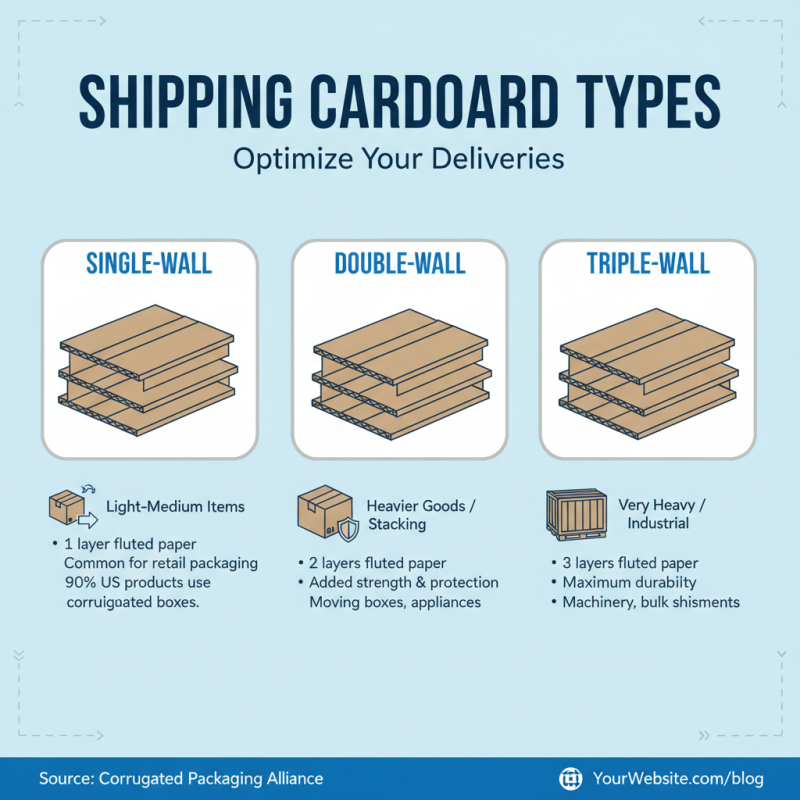
When it comes to shipping, the type of cardboard you choose can significantly impact your shipping efficiency. The most commonly used cardboard types are single-wall, double-wall, and triple-wall. Single-wall cardboard consists of one layer of fluted paper between two flat liners. This is suitable for light to medium-weight items. According to the Corrugated Packaging Alliance, about 90% of products in the U.S. are shipped in corrugated boxes.
Double-wall cardboard offers extra strength. It features two layers of fluted material and three liners. This is ideal for heavier or fragile items. In a recent report by Smithers Pira, it is noted that demand for double-wall boxes has increased by 30% over the past five years, reflecting growing industry needs.
Tip: Always choose cardboard that matches your item weight. Overpacking can lead to unnecessary costs.
Triple-wall cardboard, although less common, provides unparalleled durability. It can handle heavy weights and is often used for industrial items. Despite its advantages, it can be overkill for smaller packages. Evaluate your shipping needs carefully.
Tip: Assess the fragility of your products. Sometimes, a lightweight packaging option is enough.
Using the right cardboard can save money and prevent damage. However, not every scenario optimizes cardboard use. Consider materials carefully to improve efficiency.
Evaluating Strength and Durability in Shipping Cardboard options
When selecting cardboard for shipping, strength and durability are crucial. Different grades of cardboard offer varying levels of protection. Single-wall cardboard may suffice for lighter items, but double-wall or triple-wall varieties provide enhanced sturdiness for heavy or fragile goods. Consider the weight capacity and vibration resistance as key factors.
Moreover, it's essential to assess the quality of the cardboard. Some options may appear sturdy but can crumble under pressure. Conducting drop tests can reveal flaws in the material. One might overlook minor damage during the shipping process, leading to significant issues later. Inspect the flaps and edges; these areas often show signs of weakness.
Incorporating cushioning materials can also influence durability. Packing peanuts, bubble wrap, or even crumpled paper add layers of protection. These elements help brace the items inside the cardboard, minimizing movement. However, relying solely on external packaging can be misleading. The core strength of the cardboard itself will dictate its performance in transit, making it a primary concern. Always scrutinize the options available before making a final decision.
2026 Best Cardboard for Shipping Options You Need to Know
| Cardboard Type |
Strength Rating (EBCT) |
Durability (Weather, Moisture Resistance) |
Common Uses |
Recyclability |
| Single Wall |
32-44 lbs |
Moderate |
Shipping light to medium items |
Yes |
| Double Wall |
48-65 lbs |
High |
Shipping heavy or fragile items |
Yes |
| Triple Wall |
65+ lbs |
Very High |
Industrial shipping, bulky items |
Yes |
| Kraft Paperboard |
Moderate |
Good |
Boxes for food products and retail |
Yes |
| Corrugated Fiberboard |
High |
Excellent |
General shipping and storage |
Yes |
Choosing the Right Size and Weight for Your Shipping Needs
When shipping items, choosing the right size and weight of cardboard is crucial. Proper sizing minimizes damage during transit. A box that is too large can lead to a lack of support. Items may shift and sustain injuries. Conversely, a box that is too small may crush or harm the contents. It's best to measure your items carefully before selecting a box.
Weight also plays a significant role. Heavier packages need sturdier materials. Using lightweight cardboard for heavy items can be a mistake. Failure to account for weight can cause breakage. Don’t just focus on cost. Cheaper options might not provide the protection you need. Consider your items’ value and fragility too.
You might think you can wing it with generic sizes. This approach often leads to problems. An imperfect fit wastes time and resources. It’s essential to reflect on your shipping methods. What works for one item may fail for another. Custom-sizing might be more efficient for unique items despite potential extra costs.
Eco-Friendly Cardboard Solutions for Sustainable Shipping
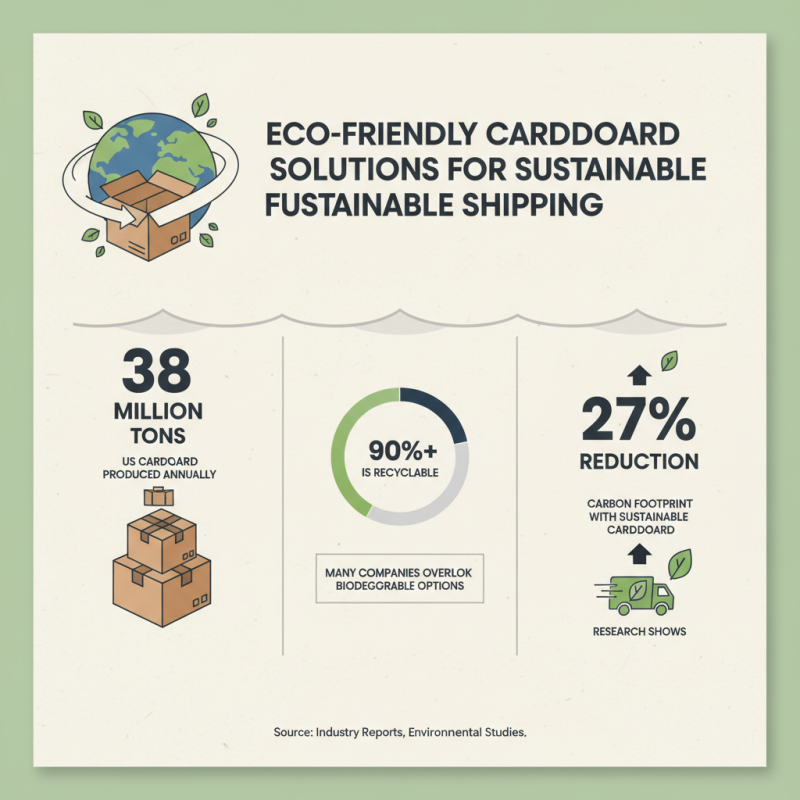
The shift toward eco-friendly cardboard solutions is essential for sustainable shipping. In the U.S., approximately 38 million tons of cardboard are produced annually. More than 90% of this material is recyclable. However, many companies still overlook biodegradable options, which can significantly reduce environmental impact. Research shows that using sustainable cardboard can cut carbon footprints by up to 27%.
Manufacturers are now focusing on innovative designs and materials. Some use post-consumer recycled content, which helps close the recycling loop. There's also a rising trend in plant-based adhesives and coatings. Even small changes can contribute to a lasting impact. Yet, many businesses still struggle with adapting to these solutions due to costs or a lack of awareness.
Implementing eco-friendly options requires commitment and investment. Companies often hesitate, worrying about durability and packaging performance. They might fear that sustainable materials won't meet their shipping needs. However, studies indicate that properly designed eco-friendly cardboard can match traditional options in strength. Focusing on sustainable solutions can lead to long-term benefits, showing that even packaging choices affect our planet's health.
Tips for Properly Packing and Sealing Cardboard Shipments
When it comes to shipping, using the right cardboard is crucial. Insufficient packing can lead to damages. A report from the Packaging Industry Association shows that 90% of shipped products experience some form of damage during transport. This stresses the importance of proper packing techniques to ensure safe delivery.
Tips for properly packing shipments:
- Selecting the correct cardboard thickness. Standard options range from 32 ECT to 44 ECT. Thicker cardboard provides better protection.
- Always fill empty spaces with cushioning materials. This prevents items from shifting during transit. Remember, 70% of returns are due to inadequate packaging.
Sealing your shipments properly is equally vital. Use strong packing tape. Apply at least three strips on each seam. A common mistake is using inadequate tape, which can lead to shipment failures. According to a study by the National Packaging Association, 50% of products do not arrive intact because of poor sealing. Take time to inspect and ensure your pack job meets standards. This detail can make a significant difference in your shipping success.