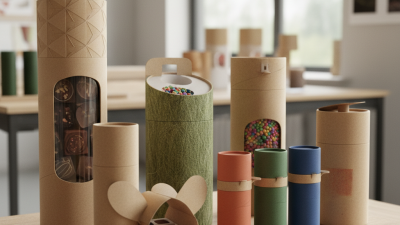
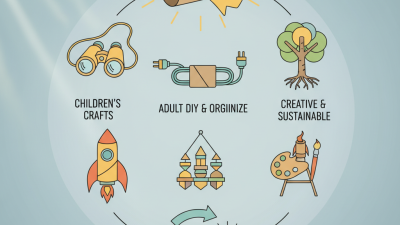
Top Benefits of Paperboard Tube Packaging for Sustainable Product Solutions?
In today's world, sustainability is essential for packaging solutions. Paperboard tube packaging stands as a remarkable option. According to Smithers Pira, sustainable packaging could reach $500 billion by 2024. This growth reflects a shift towards eco-friendly materials favored by consumers.
Paperboard tube packaging offers an innovative approach to reduce plastic waste. It is made from renewable resources and is fully recyclable. Research indicates that nearly 80% of consumers prefer eco-friendly packaging. This trend shows a clear demand for sustainable solutions in the market.
Yet, challenges remain. Not all manufacturers prioritize environmental impacts in production. Additionally, some paperboard tubes may lack durability compared to plastic alternatives. Businesses must reflect on these shortcomings to enhance the effectiveness of paperboard tube packaging. Addressing these issues can help harness its full potential, thus aligning with the growing consumer expectations for sustainability.
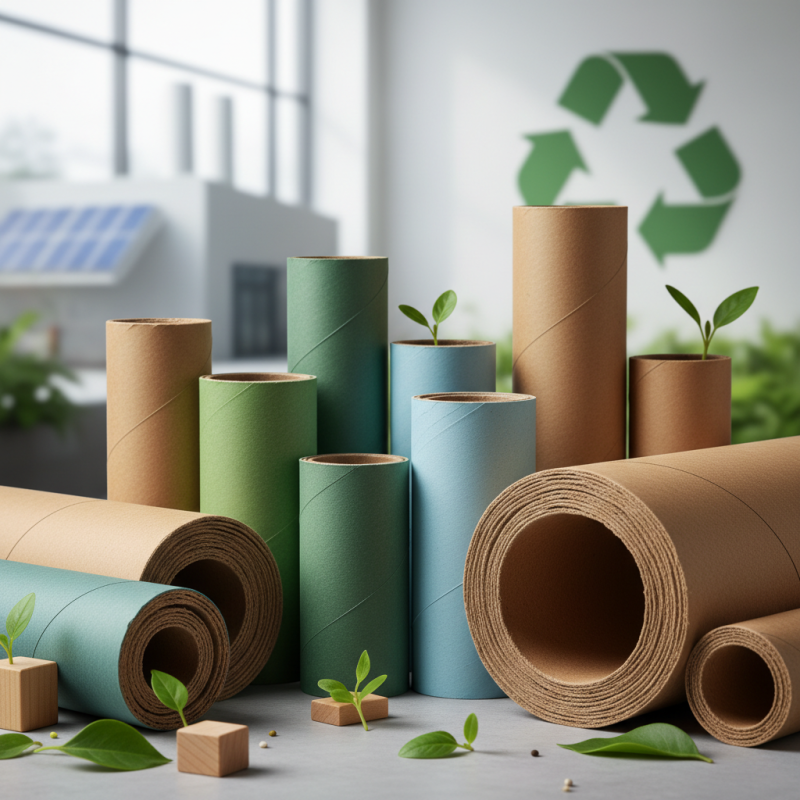
Advantages of Using Paperboard Tube Packaging in Eco-Friendly Products
Paperboard tube packaging stands out as an eco-friendly option for many products. Made from renewable resources, these tubes are biodegradable. Unlike plastic, they leave a smaller carbon footprint. Brands looking for sustainable solutions often consider this packaging a viable alternative. The natural fibers used improve recyclability and lessen environmental impact.
In addition to being environmentally friendly, paperboard tubes offer practical benefits. They provide excellent protection for contents, preventing damage during transport. Their design allows for efficient storage and stacking. Many consumers appreciate the tactile experience of using paperboard tubes. The lightweight nature reduces shipping costs and energy use.
However, some challenges remain. Not all paperboard tubes are created equal. Quality varies across manufacturers. Consumers need to be discerning when choosing products. Additionally, while they are biodegradable, the processing conditions matter. Potential improvements in production methods can further enhance sustainability. Thoughtful design still plays a crucial role in maximizing the benefits of paperboard tube packaging.
Top Benefits of Paperboard Tube Packaging for Sustainable Product Solutions
This bar chart illustrates the top five benefits of using paperboard tube packaging in eco-friendly products. The data highlights important advantages such as the use of renewable materials and recyclability, showcasing how this packaging solution supports sustainability efforts.
Environmental Impact of Paperboard Tube Packaging Compared to Plastics
Paperboard tube packaging presents a compelling alternative to traditional plastic solutions. Unlike plastics, paperboard is often biodegradable and recyclable. This reduces waste significantly. In landfills, paper products break down much faster than plastic, which can take hundreds of years to decompose. Moreover, the production of paperboard typically results in lower carbon emissions. It offers a more sustainable route for manufacturers seeking eco-friendly options.
Despite these advantages, there are certain shortcomings to consider. Paperboard packaging isn't as moisture-resistant as plastic. It may require additional coatings to achieve a similar level of protection, which can complicate recycling. Some consumers also perceive paperboard to be less durable than plastic. This can lead to skepticism regarding its use for long-term storage.
The transition to paperboard packaging also involves challenges. Not all paperboard sources are sustainable, and deforestation remains a serious issue. Companies must evaluate their sourcing practices carefully. Overall, while the benefits of paperboard packaging are clear, ongoing discussions about improvement and sustainability are crucial.
Cost-Effectiveness of Paperboard Tube Packaging for Sustainable Brands
Paperboard tube packaging has gained traction among sustainable brands. These tubes offer a cost-effective solution for businesses aiming to reduce their environmental impact. The lightweight nature of paperboard reduces shipping costs. This can lead to savings, especially for brands looking to cut expenses. Additionally, production costs are often lower compared to plastic alternatives.
Sustainable brands benefit from the versatility of paperboard tubes. They can be customized easily to fit various products. The ability to design unique packaging can enhance brand identity and attract consumers. However, there are challenges. Ensuring the paperboard is sourced sustainably requires diligence. Not all suppliers meet eco-friendly standards, which can complicate sourcing decisions.
Moreover, while the cost-effectiveness is appealing, brands need to be cautious. Sometimes, opting for cheaper materials can compromise quality. If the packaging does not protect the product, it could lead to unsatisfied customers. Finding the right balance between cost and quality is essential for long-term success. Embracing paperboard tube packaging can be a step in the right direction, but brands must navigate these complexities carefully.
Versatility of Paperboard Tube Design for Various Product Applications
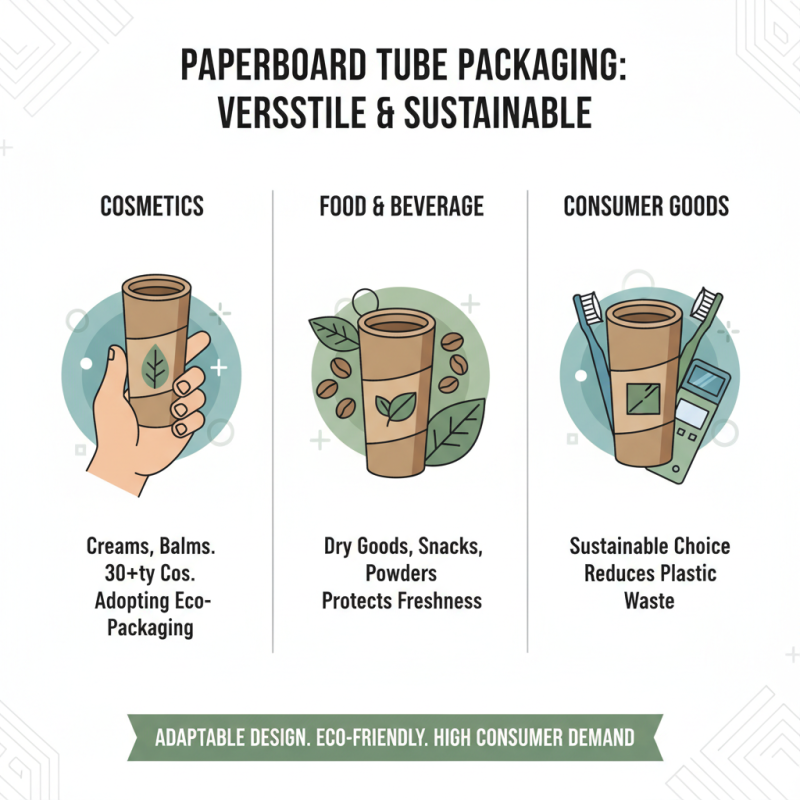
Paperboard tube packaging offers remarkable versatility across various product applications. Its adaptable design allows it to cater to the cosmetic, food, and consumer goods sectors. For instance, in the cosmetics industry, paperboard tubes can hold creams and balms effectively. Statistics show that over 30% of companies in the beauty sector are shifting towards sustainable packaging solutions. This trend highlights a growing consumer demand for eco-friendly options.
In food packaging, paperboard tubes provide a safe and sustainable way to package snacks and other goods. Research indicates that about 50% of consumers are willing to pay more for environmentally friendly packaging. However, many brands still face challenges in sourcing fully recyclable materials. Paperboard, while better than plastics, requires careful sourcing to ensure complete sustainability.
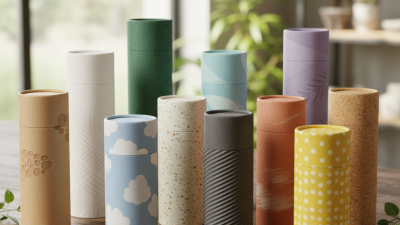
Moreover, the design of paperboard tubes can be tailored to various sizes and shapes, enhancing shelf appeal. Yet, achieving that balance between aesthetics and functionality can be tricky. Brands must reflect on their supply chains and material choices continuously. While the benefits are evident, there is still much room for improvement in the industry.
Consumer Perception and Preferences for Paperboard Tube Packaging Solutions
Consumers today are more aware of their environmental impact. This shift in mindset shapes their preference for packaging. Paperboard tube packaging is gaining attention. It not only looks good but also supports sustainability. Many consumers feel it's a better choice than plastic. This is partly due to its biodegradability. People appreciate that it can break down over time.
However, it's not just about being green. The functionality of paperboard tubes matters too. They are often lightweight and easy to carry. This adds to their appeal for on-the-go lifestyles. Consumers enjoy the experience of unboxing a product in appealing and unique packaging. Still, some find paperboard tubes less sturdy than plastic alternatives. There is a concern about durability, especially for fragile items.
Branding also plays a critical role. Effective designs can attract consumers and communicate value. Yet, if the packaging doesn’t match the product’s quality, it may lead to disappointment. It's important for companies to reflect on these aspects. Balancing aesthetics, sustainability, and practicality remains a challenge. As consumer preferences evolve, so must packaging solutions.
Top Benefits of Paperboard Tube Packaging for Sustainable Product Solutions
| Benefit |
Description |
Consumer Preference (%) |
| Eco-Friendly Materials |
Made from renewable resources and recyclable. |
85% |
| Lightweight |
Easier to handle and transport, reducing shipping costs. |
78% |
| Customizable |
Easily designed for various shapes and prints. |
70% |
| Durability |
Offers protection during storage and transportation. |
68% |
| Brand Image |
Enhances perception of eco-consciousness and quality. |
82% |
| Cost-Effective |
Lower production costs compared to plastic alternatives. |
75% |