Top 10 Benefits of Cardboard Packaging for Your Business
In recent years, the importance of sustainable packaging solutions has come to the forefront of business practices, and cardboard packaging has emerged as a leading choice for many companies. According to a report by Smithers Pira, the global market for cardboard packaging is projected to reach $300 billion by 2025, driven by rising consumer demand for eco-friendly products. As businesses seek to reduce their carbon footprint and improve their environmental impact, the adoption of cardboard packaging has become increasingly prevalent.
Experts in the field, such as Dr. Jane Thompson, a packaging sustainability specialist, emphasize the benefits of cardboard packaging, stating, "Switching to cardboard not only enhances product protection but also aligns with modern consumers' preferences for sustainable choices." This shift in consumer behavior has led many businesses to reconsider their packaging strategies. By leveraging the advantages of cardboard packaging, companies are able to not only meet regulatory requirements but also gain a competitive edge in a crowded marketplace.
The multifaceted benefits of cardboard packaging extend beyond sustainability; they include cost-effectiveness, versatility, and impressive branding opportunities, making it an ideal option for businesses of all sizes. This article explores the top ten advantages of incorporating cardboard packaging into your operations, highlighting why it should be a core component of any forward-thinking business strategy.

Benefits of Cardboard Packaging for Environmental Sustainability
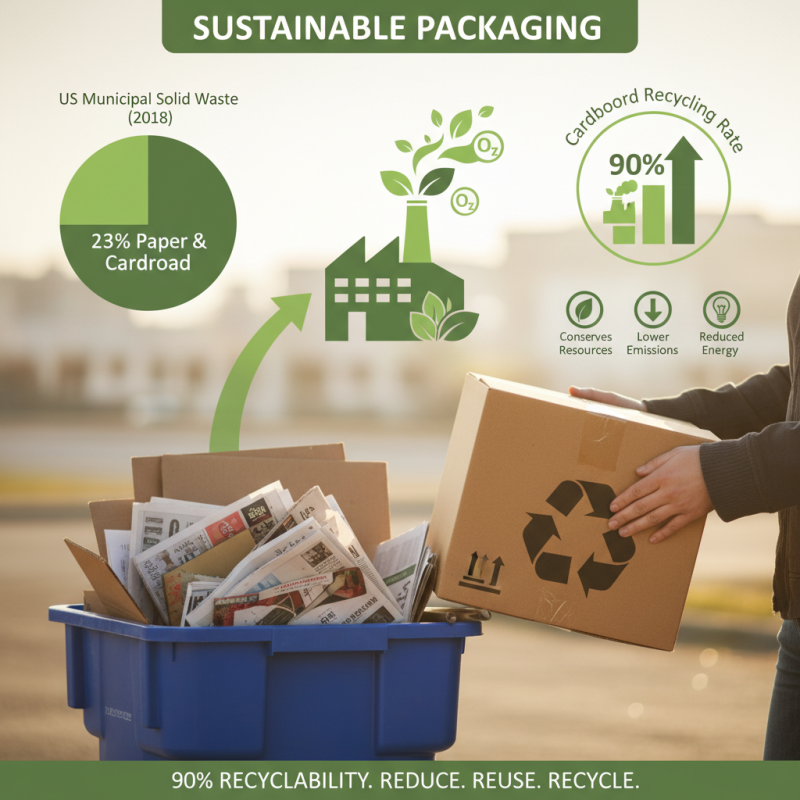
Cardboard packaging has gained significant traction in recent years, particularly due to its environmental benefits. According to a report from the Environmental Protection Agency (EPA), paper and cardboard materials accounted for about 23% of the municipal solid waste in the United States in 2018, yet they stand out as one of the most recyclable materials. The recycling rate for cardboard is approximately 90%, making it a sustainable option that reduces landfill waste and conserves natural resources. This high recyclability contributes to lower energy consumption and fewer greenhouse gas emissions, aligning with the global push towards sustainability.
Using cardboard for packaging also reflects positively on a company's commitment to environmental stewardship. Research from the Sustainable Packaging Coalition indicates that 57% of consumers are willing to pay more for products in sustainable packaging. This shift in consumer behavior suggests that companies investing in cardboard packaging not only reduce their ecological footprint but also enhance their market appeal. Furthermore, cardboard is biodegradable, breaking down naturally and returning nutrients to the ecosystem within a relatively short time frame compared to plastic, which can take hundreds of years to decompose. By choosing cardboard, businesses can significantly contribute to a circular economy, encouraging reusability and minimizing waste.
Cost-Effectiveness of Cardboard Packaging for Businesses
Cardboard packaging offers significant cost-effectiveness for businesses, making it a favored choice among many industries. According to a report by Smithers Pira, the global market for cardboard packaging is projected to reach $400 billion by 2024, reflecting its increasing adoption. One of the main reasons for this growth is the lower production cost compared to alternatives like plastic or metal packaging. Cardboard is generally less expensive to source and manufacture, which translates into lower overhead expenses for businesses. Furthermore, its lightweight nature reduces shipping costs, offering additional savings on logistics.
In addition to cost benefits, cardboard packaging is highly versatile. Businesses can easily customize design, size, and printing, allowing for optimal brand presentation without incurring high costs. Data from the Paper and Packaging Board indicates that 72% of consumers feel that the packaging of a product influences their purchasing decisions. This means that well-designed cardboard packaging can enhance customer appeal without breaking the bank.
Tips for enhancing cost-effectiveness include optimizing design for minimal material use, which not only saves costs but also reduces waste. Additionally, consider bulk purchasing of cardboard materials to take advantage of lower unit prices. Implementing efficient packaging processes can also result in significant savings over time, as streamlined operations reduce labor costs and material waste. By focusing on these strategies, businesses can maximize the cost-effectiveness of their cardboard packaging solutions.
Top 10 Benefits of Cardboard Packaging for Your Business
| Benefit |
Description |
Cost-Effectiveness |
| Eco-Friendly |
Made from renewable resources, easily recyclable, reducing environmental impact. |
Cost savings from lower waste disposal fees. |
| Customization |
Easily customizable shapes and sizes according to product needs. |
Reduction in costs due to no need for additional packaging. |
| Lightweight |
Weight-saving properties reduce shipping costs. |
Lower transportation costs due to reduced weight. |
| Strength and Durability |
Provides excellent protection for products during shipping. |
Decreased product damage leads to cost savings. |
| Branding Opportunities |
Allows for printed designs and logos, enhancing brand visibility. |
Increased sales through better brand recognition. |
| Cost-Effective Production |
Lower material costs compared to plastic or metal packaging. |
Reduced overall packaging costs. |
| Versatility |
Suitable for various industries and product types. |
Flexibility in usage leads to less financial commitment in packaging changes. |
| Consumer Preference |
Many consumers prefer sustainable packaging options. |
Potential increases in sales due to consumer preferences. |
| Easy to Store |
Foldable design leads to space-saving storage solutions. |
Reduced storage costs due to efficient space use. |
| Regulatory Compliance |
Easier compliance with packaging regulations and standards. |
Avoidance of fines or penalties from non-compliance. |
Versatility of Cardboard Packaging in Various Industries
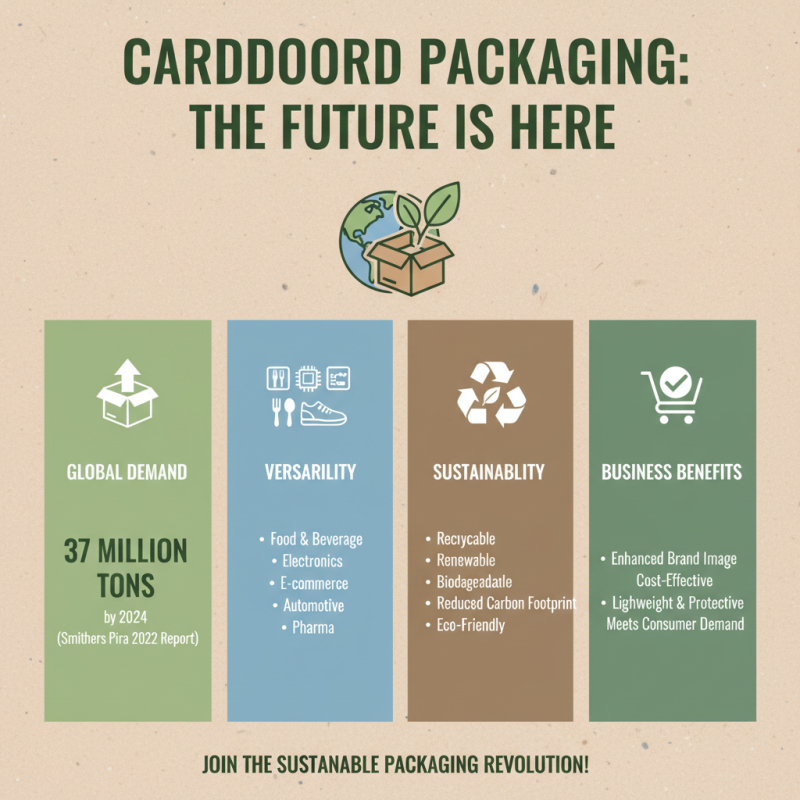
Cardboard packaging has emerged as a vital player across various industries, showcasing its versatility and sustainability. According to a 2022 report by Smithers Pira, the global demand for cardboard packaging is expected to reach 37 million tons by 2024, underscoring its critical role in packaging solutions. Industries ranging from food and beverage to electronics are realizing the benefits of cardboard packaging, not only for its lightweight and protective qualities but also for its eco-friendliness. With increasing consumer awareness around sustainability, businesses using cardboard packaging can enhance their brand image while minimizing environmental impact.
In the food industry, cardboard packaging can be tailored to meet stringent hygiene standards while ensuring product safety during transport. Research indicates that more than 50% of consumers prefer products that come in eco-friendly packaging, indicating a significant market trend. In addition, e-commerce businesses benefit greatly from cardboard boxes, which provide adequate cushioning for products, and can be easily customized to fit various product sizes, reducing waste and shipping costs.
Tips for businesses considering cardboard packaging include evaluating the thickness and durability required for specific products to prevent damage during transit. Additionally, consider using printed cardboard boxes to enhance branding and customer experience. Creating designs that convey sustainability can also resonate with eco-conscious consumers and differentiate your business in a crowded marketplace.
Impact of Cardboard Packaging on Brand Image and Consumer Trust
Cardboard packaging plays a crucial role in shaping brand image and fostering consumer trust. The eco-friendly nature of cardboard not only appeals to environmentally conscious consumers but also positions a brand as socially responsible. Companies that utilize sustainable packaging solutions often find that their commitment to reducing waste resonates with customers, enhancing brand loyalty and promoting a positive brand image. When consumers perceive a brand as caring for the environment, they are more likely to build an emotional connection, leading to repeat purchases and strong word-of-mouth referrals.
Moreover, the durability and versatility of cardboard packaging contribute to improved trust among consumers. A well-designed cardboard package signals quality and professionalism, which can influence purchasing decisions. Brands that invest in high-quality packaging demonstrate attention to detail and a commitment to protecting their products, reassuring consumers of their purchase's value. As customers increasingly research products before buying, the aesthetics of the packaging become a pivotal factor in the overall perception of the brand, directly impacting customer satisfaction and loyalty.
Top 10 Benefits of Cardboard Packaging for Your Business
Enhancing Product Protection and Safety with Cardboard Packaging
Cardboard packaging is increasingly recognized for its ability to enhance product protection and safety. As businesses seek sustainable options, cardboard stands out not just for its eco-friendliness, but also for the reliable defense it offers against physical damage. Its inherent strength and ability to absorb shocks make it an excellent choice for safeguarding delicate and valuable items during transit. The lightweight nature of cardboard also contributes to cost efficiency, minimizing shipping costs while still ensuring that products reach their destination intact.
When considering cardboard packaging, it's vital to choose the right thickness and structure for your products. For example, fragile items may benefit from double-walled cardboard, providing extra cushioning and support. Additionally, incorporating protective inserts can further diminish the risk of damage.
Tip: Always evaluate your packaging needs based on the type of product you are shipping. Conducting tests with various designs can help you determine the optimal solution that balances protection and cost.
Utilizing cardboard packaging can also improve safety by reducing the likelihood of contamination. Being a natural material, cardboard is less prone to harboring harmful bacteria compared to plastic alternatives. Ensuring your packaging is clean and appropriate for food or health-related items is crucial in maintaining product integrity.
Tip: For sensitive items, consider using food-grade cardboard or adding a barrier layer that enhances moisture resistance without compromising sustainability. This not only protects the product but also assures customers of their safety up to the point of use.