2026 Premium Packaging Trends Every Global Buyer Should Know?
In the evolving world of premium packaging, insights from experts like Linda Ortiz are invaluable. She states, “Innovative packaging reflects a brand's values and connects with consumers on a deeper level.” This connection is increasingly crucial in a competitive global market.
As we look ahead to 2026, buyers must stay aware of emerging trends in premium packaging. Sustainability continues to be a focal point. Eco-friendly materials and designs are not just preferences anymore; they are expected. Consumers are more informed and selective, seeking brands that align with their values.
However, not all brands adapt seamlessly. Some struggle to integrate new technologies and materials. They may risk falling behind. The challenge lies in balancing innovation with authenticity. Brands must also reflect on whether their packaging genuinely enhances the product experience or merely serves a marketing purpose. Recognizing this distinction is key as we embrace the future of premium packaging.
2026 Overview of Premium Packaging Trends in Global Markets
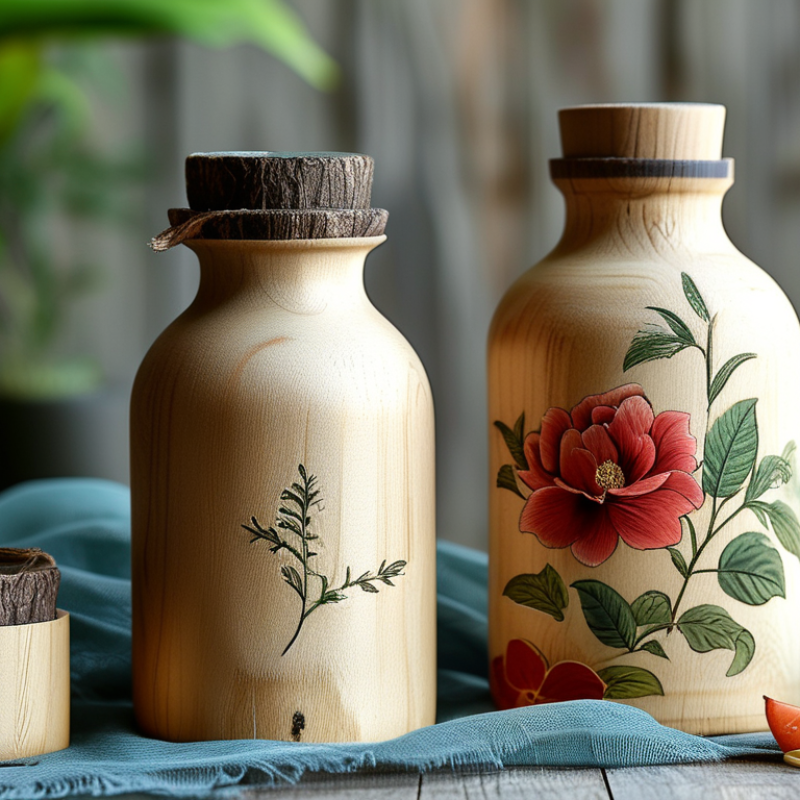
In 2026, the premium packaging landscape is evolving rapidly across global markets. Buyers must pay attention to environmental sustainability. Many consumers prefer eco-friendly materials that minimize waste. This shift influences brands to explore biodegradable options and innovative designs. The focus is on reducing plastic use and incorporating recycled content. Brands implementing these practices often see positive consumer responses.
Another trend is the personalization of packaging. Customization enhances customer experience and brand loyalty. Advanced printing technologies enable companies to create unique designs and labels. Buyers should consider how personalized packaging can differentiate products in a crowded market. Details, such as special finishes and textures, can leave a memorable impact on consumers.
Despite these promising trends, challenges remain. Not every company can afford high-quality premium packaging solutions. Balancing cost and quality is crucial for many buyers. Additionally, navigating diverse consumer preferences globally requires careful market research. Brands must continuously adapt to remain competitive. As buyer decisions evolve, staying informed and flexible is essential for success in the premium packaging sector.
Sustainability Innovations Shaping the Future of Packaging
Sustainability is becoming a leading concern in packaging innovation. A stark statistic from the Ellen MacArthur Foundation reveals that only 14% of plastic packaging is recycled worldwide. This highlights the urgent need for sustainable solutions. Innovative practices in materials, design, and production can help shift this trend. Over 70% of global consumers now prefer brands that prioritize eco-friendly packaging.
Recent studies indicate that biodegradable materials are gaining traction. Specifically, about 32% of companies reported investing in bioplastics to reduce their environmental impact. These materials, derived from renewable resources, offer promising alternatives to traditional plastics. Other shifts include the rise of minimalistic packaging, which conserves materials and reduces waste.
Despite the progress, challenges remain. Supply chain complexities slow the adoption of sustainable practices. Furthermore, not all companies communicate their sustainability efforts clearly. Confusion can lead to skepticism among consumers. Transparency is vital to building trust. Companies must navigate this landscape cautiously, ensuring their claims are backed by solid practices and data.
2026 Premium Packaging Trends Every Global Buyer Should Know
| Trend |
Description |
Sustainability Impact |
Adoption Rate (%) |
| Biodegradable Materials |
Use of materials that decompose naturally without harming the environment. |
Reduces landfill waste and pollution. |
75% |
| Minimalist Design |
Focus on simple, elegant packaging that reduces material use. |
Lowers resource consumption and energy use. |
60% |
| Smart Packaging |
Integration of technology such as QR codes and sensors for real-time data. |
Enhances recycling and product tracking. |
50% |
| Upcycled Packaging |
Using recycled materials to create new packaging products. |
Reduces waste and resource extraction. |
55% |
| Reusability |
Designing packaging to be used multiple times by consumers. |
Significantly reduces single-use plastic consumption. |
65% |
Consumer Preferences Driving Design and Functionality
In recent years, consumer preferences have dramatically shifted towards sustainable packaging solutions. According to a report from Smithers Pira, 72% of consumers are more likely to purchase a product if its packaging is made from sustainable materials. This statistic shows the increasing importance of eco-friendly designs in packaging.
Beyond sustainability, aesthetics and functionality play key roles in consumer decision-making. A survey by McKinsey revealed that 62% of respondents prefer packaging that enhances usability. For instance, easy-to-open packaging or resealable options are highly favored. This aligns with the trend of convenience-driven purchasing, especially among younger consumers.
However, this focus on design and functionality sometimes overshadows the need for practicality. Brands must balance eye-catching visuals with cost-effective materials. Additionally, while sustainability is vital, some brands struggle with sourcing materials that meet eco-friendly standards without increasing costs. This challenge can lead to dilemmas around pricing versus consumer expectations.
Technological Advancements Revolutionizing Packaging Solutions
Technological advancements are shaping the future of packaging in remarkable ways. Smart packaging, using sensors and RFID technology, allows for real-time tracking of products. This innovation enhances supply chain efficiency and aids in inventory management. Moreover, it provides consumers with valuable information about product freshness.
Sustainability drives many of these advancements. Biodegradable and compostable materials are now available, reducing environmental impact. Many companies are exploring plant-based plastics, which break down more easily than traditional materials. However, sourcing these materials presents challenges. There’s still a long way to go in making sustainable packaging accessible and affordable for all sectors.
Automation and AI are also transforming the packaging landscape. Robotics streamline packaging processes, improving accuracy and speed. Yet, the integration of AI can lead to over-reliance on technology. Balancing human oversight with automation remains a critical point of reflection. Each advancement holds promise, but it must be approached with caution to ensure reliability and effectiveness.
2026 Premium Packaging Trends - Global Market Insights
Emerging Materials and Their Impact on Premium Packaging Design
Emerging materials are reshaping premium packaging design.
Biodegradable plastics, for example, offer a sustainable alternative.
These materials not only reduce environmental impact but also enhance brand image.
Consumers increasingly prefer eco-friendly options.
This shift reflects growing awareness of sustainability issues.
Recycled materials are gaining traction as well.
They lower costs and appeal to eco-conscious buyers.
However, challenges remain in achieving consistent quality and durability.
Designers must balance aesthetics with performance.
Creative solutions are vital to maximize the potential of these materials.
Smart technology is also making waves.
Packaging equipped with QR codes can provide consumers with added information.
This enhances engagement and transparency.
Yet, not all brands embrace this trend. Some may find it daunting or unnecessary.
The future of premium packaging lies in innovative materials and thoughtful design choices.