2025 Guide: How to Choose Eco Packaging for Your Sustainable Business
In today's rapidly evolving business landscape, sustainability has become a cornerstone of corporate responsibility and consumer expectation. As more businesses strive to minimize their environmental impact, choosing the right materials for product packaging is crucial. Eco packaging emerges as a vital component in this endeavor, allowing companies to reflect their commitment to sustainability while enhancing their brand image. This guide aims to provide a comprehensive overview of how to select eco-friendly packaging solutions that align with your business goals and environmental values.
When integrating eco packaging into your operations, it is essential to consider factors such as material composition, recyclability, and lifecycle impact. From biodegradable plastics to recycled paper products, the options available today not only meet the functional requirements of traditional packaging but also offer significant environmental benefits. By making informed choices, businesses can reduce waste, lower carbon footprints, and foster a positive relationship with eco-conscious consumers.
Ultimately, the decision to invest in eco packaging is more than just a trend; it signifies a broader commitment to preserving our planet for future generations. This guide will walk you through key considerations and practical steps to ensure your packaging not only protects your products but also contributes to a more sustainable future.

Understanding Eco Packaging and Its Importance for Sustainability
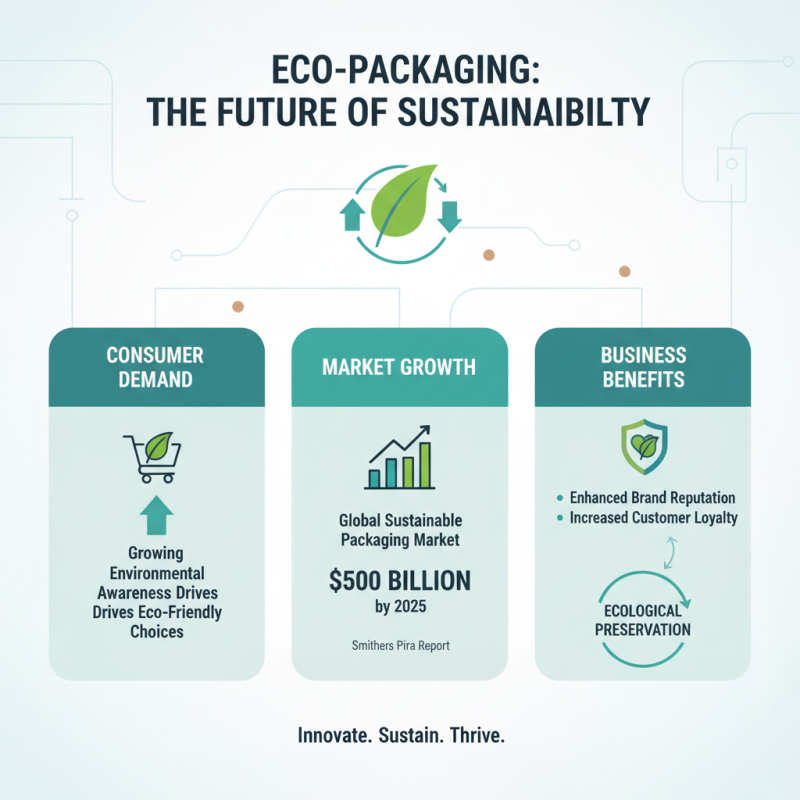
Eco packaging plays a crucial role in promoting sustainability within the business landscape. As consumer awareness regarding environmental issues continues to grow, businesses are increasingly compelled to adopt eco-friendly packaging solutions. According to a recent report by Smithers Pira, the global sustainable packaging market is projected to reach $500 billion by 2025, highlighting a significant shift towards environmentally responsible practices. This change not only supports ecological preservation but also enhances brand reputation and customer loyalty.
When selecting eco packaging, it's essential to consider materials and their life cycle impact. Biodegradable, compostable, and recycled materials offer valuable choices that minimize waste and reduce carbon footprints. A study published by Allied Market Research indicates that packaging made from recycled content can lower greenhouse gas emissions by up to 60% compared to traditional packaging methods.
**Tips for Choosing Eco Packaging:**
1. Evaluate the sourcing of materials to ensure they are renewable and responsibly harvested.
2. Look for certifications such as FSC or Cradle to Cradle that guarantee eco-friendly practices throughout the supply chain.
3. Consider the packaging's end-of-life options, ensuring they can be easily recycled or composted to close the sustainability loop.
By understanding the importance of eco packaging, businesses can not only comply with regulations but also contribute positively to environmental stewardship, appealing to the conscience of today's consumer.
Types of Eco-Friendly Packaging Materials for Businesses
When selecting eco-friendly packaging materials for a sustainable business, it is essential to understand the various options available. Biodegradable materials, such as plant-based plastics and compostable paper, are increasingly popular due to their ability to decompose naturally and reduce environmental impact. According to a report by Smithers Pira, the global market for biodegradable plastic packaging is projected to reach approximately $2.3 billion by 2025, demonstrating a strong shift towards materials that align with eco-conscious consumer demands.
Another category of eco-friendly packaging includes recycled materials, which not only lessen the reliance on virgin resources but also contribute to the circular economy. The Recycled Paperboard Alliance reported that in 2020, the recycling rate for paper and paperboard products in the U.S. was over 66%, suggesting a significant opportunity for businesses to embrace recycled packaging options. Utilizing such materials not only enhances a brand’s sustainability credentials but also resonates with increasingly eco-aware consumers looking to support responsible practices.
Finally, sustainable sourcing should be at the forefront of any packaging strategy. Materials like bamboo, hemp, and recycled ocean plastic offer innovative solutions that help mitigate waste and conserve resources. The Ellen MacArthur Foundation indicates that shifting towards a circular economy in packaging could generate $4.5 trillion in economic benefits by 2030, emphasizing that sustainable choices not only improve environmental footprints but can also lead to notable financial gains for forward-thinking businesses.
2025 Guide: How to Choose Eco Packaging for Your Sustainable Business
| Packaging Material |
Recyclability |
Biodegradability |
Renewability |
Typical Usage |
| Recycled Paper |
Yes |
Yes |
No |
Boxes, Bags |
| Biodegradable Plastics |
Yes |
Yes |
Yes |
Food Packaging, Shopping Bags |
| Glass |
Yes |
No |
Yes |
Bottles, Jars |
| Aluminum |
Yes |
No |
Yes |
Cans, Foils |
| Mushroom Packaging |
Yes |
Yes |
Yes |
Protective Packaging, Cushioning |
Key Factors to Consider When Choosing Eco Packaging
When selecting eco packaging for your sustainable business, several key factors must be evaluated to ensure that your choices align with your environmental goals. First and foremost, consider the materials used in the packaging. Opting for biodegradable, compostable, or recycled materials can significantly reduce waste and the carbon footprint associated with your products. Understanding the lifecycle of these materials and their environmental impact is essential; look for certifications or standards that verify their sustainability.
Another important factor to take into account is the packaging design itself. Effective eco packaging should minimize the use of materials while still providing adequate protection for your products. This not only reduces waste but can also lower shipping costs and improve logistics efficiency. Furthermore, consider the potential for reusability or refillability in your packaging design, as this can extend the lifecycle of the packaging and encourage a circular economy. Engaging with suppliers who share a commitment to sustainability can also enhance your packaging choices and ensure that you are making informed decisions that support your business’s eco-friendly mission.
2025 Eco Packaging Materials Comparison
This chart illustrates the performance of various eco-friendly packaging materials based on three key factors: Biodegradability, Cost, and Consumer Preference. Understanding these factors can help businesses make informed choices for sustainable packaging.
Evaluating Suppliers and Certifications for Sustainable Packaging
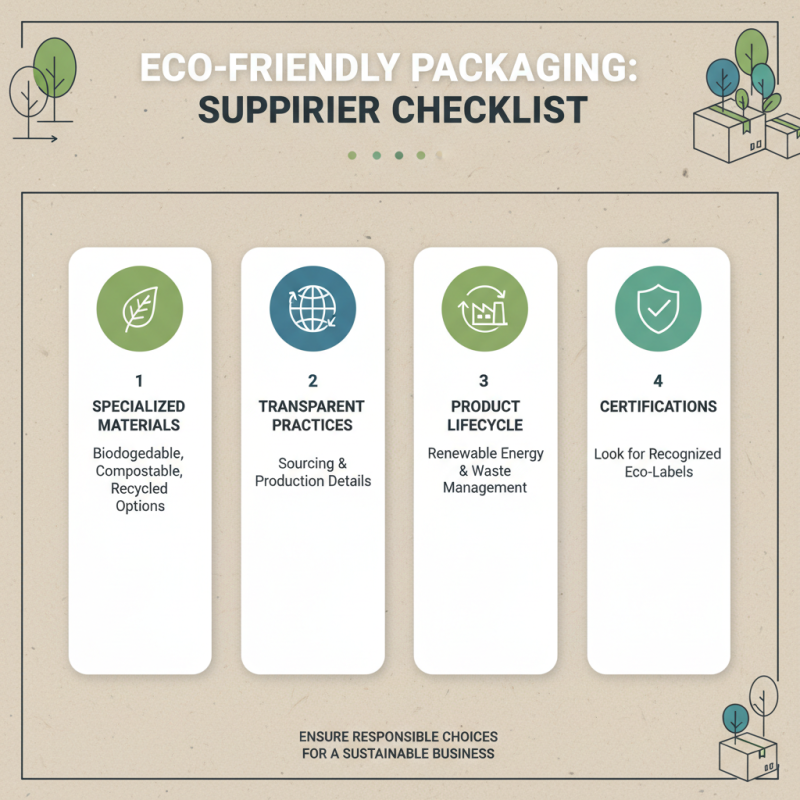
When selecting eco-friendly packaging for your sustainable business, evaluating suppliers and their certifications is critical to ensuring you make responsible choices. Start by researching suppliers who specialize in sustainable materials—this could include biodegradable, compostable, or recycled options. It's important to look for companies that are transparent about their sourcing and production practices. Ask for details about the lifecycle of their products, and seek those who use renewable energy and have robust waste management solutions.
Certifications play a pivotal role in verifying the authenticity of a supplier’s sustainable claims. Look for recognized certifications such as FSC (Forest Stewardship Council), which ensures responsible forestry practices, or Cradle to Cradle, which focuses on sustainability in product design. These certifications not only provide reassurance about the materials used but also reflect the supplier's commitment to ongoing improvement in their environmental impact. Engaging with suppliers who maintain these standards will strengthen your own brand’s sustainability efforts and help you contribute positively to the environment.
Implementing and Communicating Eco Packaging Practices to Customers
In the current landscape, effective communication of eco-packaging practices to customers is paramount for sustainable businesses. According to a 2022 report from Nielsen, 73% of consumers are willing to change their consumption habits to reduce environmental impact, and 81% feel strongly that companies should help improve the environment. This growing awareness creates a unique opportunity for businesses to clearly articulate their eco-packaging strategies. By transparently sharing information about the materials used, the lifecycle of products, and the environmental benefits of their eco-packaging choices, companies can build trust and loyalty among their customer base.
To effectively communicate these practices, businesses should utilize various channels such as social media, packaging labels, and educational content on their websites. A study by McKinsey & Company found that 57% of consumers have made purchase decisions based on a brand's sustainability claims, particularly when these claims are substantiated with data. Employing visual storytelling, including infographics that showcase the impact of sustainable packaging, can further enhance customer understanding. Highlighting certifications and eco-friendly practices not only reinforces a brand’s commitment to sustainability but also engages customers who are increasingly advocating for environmental responsibility.